German Manufacturing Exports Surge
German Economy Gains Momentum in Q2 Driven by Strong Manufacturing Exports
Key Points
Exports were a key driver in Q2, with total exports up 2% quarter-on-quarter, goods exports up 2.6%, and imports rising 1.5%.
Manufacturing output rose 0.9% in the quarter, with chemical producers and electrical equipment manufacturers among the strongest performers.
A broad data revision updated historical GDP figures back to 2011, showing 2024 stagnation and leaving 2025 growth unchanged at 0.2%; revisions added about 0.8 percentage points to GDP over 2011–21.
Employment ran at about 45.7 million in the quarter, down 212,000 from a year earlier (–0.5%).
Germany's economy grew 0.3% in the second quarter of 2026, beating forecasts and marking a step up from the initial 0.2% estimate Investing. The upgrade reflects stronger-than-expected export performance, particularly in manufacturing, which is helping to sustain a cautious economic recovery after years of sluggish growth.
On an annual basis, the German economy is expanding at roughly 1%, but the recovery remains uneven MarketScreener. Domestic demand continues to lag, with household spending and business investment both posting only modest gains. Meanwhile, employment fell by 212,000 workers year-on-year, highlighting persistent weakness in the labor market.
Exports Lead the Way as Manufacturing Bounces Back
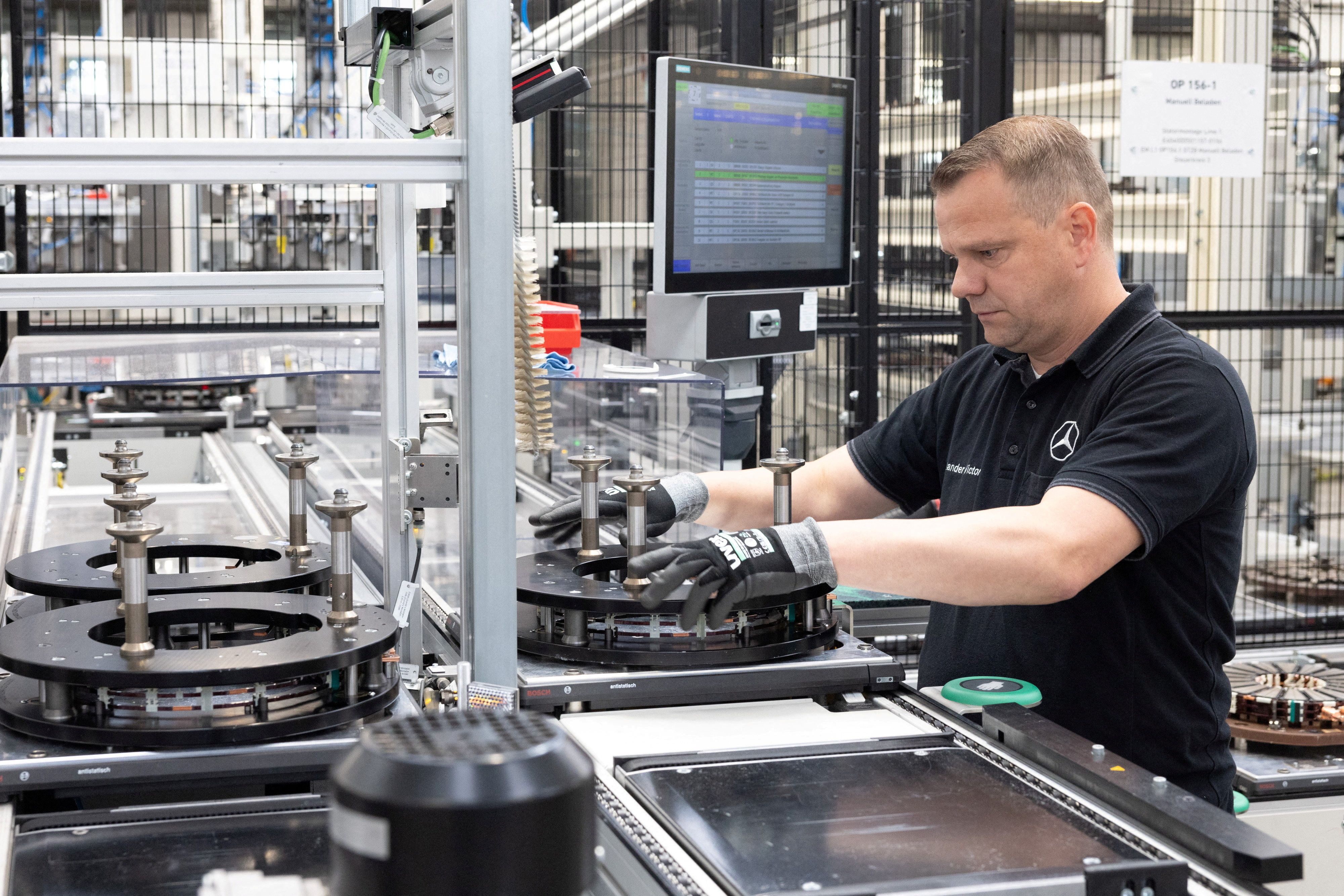
Manufacturing output surged 0.9% in Q2, with chemical producers and electrical equipment makers posting the strongest gains Investing. Total exports climbed 2% quarter-on-quarter, while goods exports jumped 2.6%. These numbers signal that global demand for German products is picking up again.
Imports rose 1.5% in the same period, a slower pace than exports MarketScreener. This gap between export and import growth suggests German factories are selling more abroad than they are buying from overseas suppliers, a positive sign for the trade balance.
Domestic Spending Remains Weak Despite Recovery
While exports powered the headline growth number, spending at home tells a different story Yahoo Finance. Household consumption rose just 0.1%, and government spending grew by the same slim margin. Business investment actually fell in the quarter, signaling that companies remain cautious about future prospects.
This imbalance underscores a key vulnerability in Germany's recovery: it depends heavily on foreign buyers while domestic demand stays sluggish. Without stronger spending from households and businesses, the economy will struggle to accelerate beyond its current modest 1% annual growth rate.
Data Revisions Reshape Historical Economic Picture
Germany's statistics office revised GDP figures going back to 2011, adjusting historical growth estimates across the past 15 years MarketScreener. The revisions added about 0.8 percentage points to cumulative GDP over the 2011–2021 period, showing the economy performed better than previously thought.
The broad revision also confirmed that 2024 was a year of stagnation — zero growth — while 2025 growth remained flat at 0.2% Yahoo Finance. June trade data showed particularly robust export performance, helping justify the upward revision of the Q2 growth figure from 0.2% to 0.3%.
Sentiment
Mostly PositivePublishers
11
Articles
68
Reach
79


