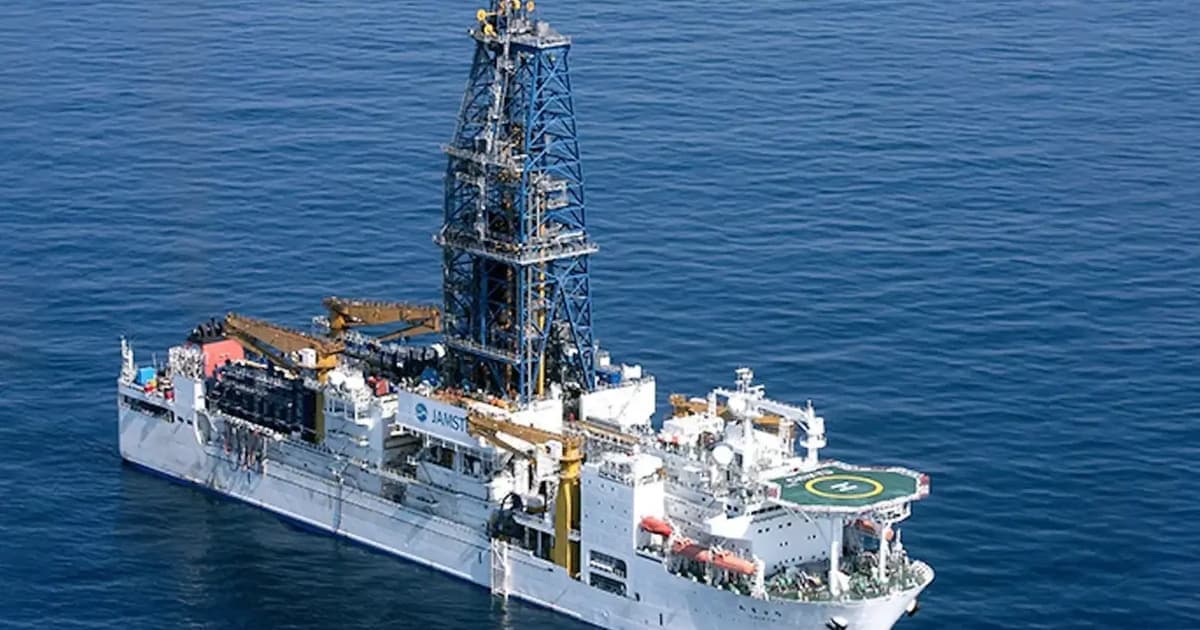
Deep-Sea Mining Controversy
U.S. Advances Deep-Sea Mining Plans Off American Samoa Amid Environmental Warnings
Anonymous
Key Points
1
About 12 million hectares of seabed off American Samoa could be opened for development, roughly 29.7–31.5 million acres, with an auction set for November 19; the proposed lease area directly borders Rose Atoll.
2
Issuing the Proposed Leasing Notice does not guarantee a lease sale; if the agency proceeds, it must complete pre-sale steps, including publishing a final Leasing Notice at least 30 days before any sale.
3
U.S. officials frame critical minerals as strategic assets due to competition with China, underscoring perceived risks to energy, defense, and manufacturing sectors.
4
Proposed leases would include stipulations requiring the lessee to hire American Samoans, use local businesses, and utilize the Port of Pago Pago.
5
Conservation groups warn deep-sea mining could damage biodiversity and fisheries, and call for moratoriums until ecological impacts are better understood.
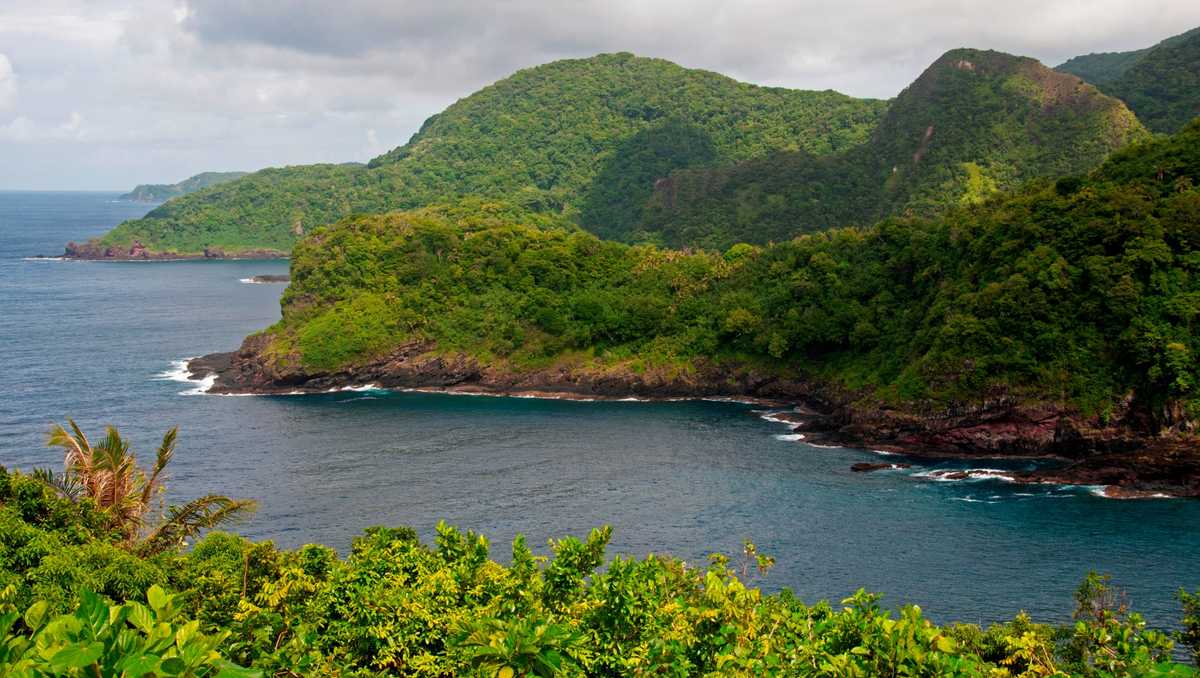
The Trump administration is moving to auction off roughly 12 million hectares of seabed surrounding American Samoa for deep-sea mining, in what AP calls an unprecedented step expected to draw sharp international criticism. A draft leasing notice targets a November 19 auction date, covering an area of up to 31.5 million acres — with some proposed lease zones directly bordering the ecologically sensitive Rose Atoll.
The push is driven by Washington's desire to secure domestic supplies of critical minerals — metals seen as vital to energy, defense, and manufacturing — amid intensifying competition with China. But scientists, conservation groups, and Pacific nations warn that mining the deep seabed could cause irreversible harm to some of the ocean's least-understood ecosystems.
A New Agency, a Proposed Auction, and a November Deadline
The Marine Minerals Administration (MMA), a new agency created by merging existing federal offices, issued the draft leasing notice that sets the process in motion, according to Mongabay. The notice proposes an auction on November 19, but officials stress that the sale is not guaranteed. Before any lease is sold, the agency must publish a final Leasing Notice at least 30 days in advance and complete other pre-sale steps.
The proposed leases would come with conditions. Companies winning bids would be required to hire American Samoan workers, use local businesses, and run operations through the Port of Pago Pago, Mongabay reported. Those stipulations reflect pressure from local leaders who want the territory to benefit economically if mining moves forward.
China Competition Drives U.S. Critical Minerals Push
U.S. officials frame the deep-sea mining effort as a national security issue. The seabed around American Samoa contains polymetallic nodules — potato-sized rocks rich in cobalt, nickel, and manganese. These metals are used in electric vehicle batteries, weapons systems, and electronics. China currently controls a large share of the global supply chain for these materials.
The Trump administration has framed reducing dependence on Chinese mineral supplies as urgent. Deep-sea deposits offer a potential domestic alternative, though experts note that no commercial deep-sea mining operation has ever been successfully run anywhere in the world. The technology and economics remain unproven at scale.
Scientists and Conservationists Sound the Alarm
Conservation groups are pushing back hard. Environmentalists warn that dragging equipment across the ocean floor — sometimes more than 4,000 meters deep — destroys fragile habitats that take thousands of years to recover. They argue that the risks to biodiversity and Pacific fisheries are not yet fully understood, and are calling for a moratorium on commercial mining until more research is done, according to Mongabay.
The proposed lease area sits next to Rose Atoll, a federally protected marine monument home to rare coral and sea turtles. Critics say mining that close to a protected zone risks sediment plumes and noise pollution spreading well beyond any lease boundary. Several Pacific Island nations have also raised concerns, saying they were not meaningfully consulted before the plans were announced.
Global Rules Still Being Written in Jamaica
While the U.S. moves ahead domestically, a broader international debate is playing out at the International Seabed Authority (ISA) in Jamaica. The ISA governs mining in international waters and is still negotiating rules on licensing, revenue sharing, and environmental protections. Many nations argue the deep seabed is the "common heritage of mankind" and should not be commercially exploited until binding safeguards are in place.
The U.S. is not a member of the ISA, giving Washington more freedom to act in its own territorial waters — but less influence over the global framework being built around it. The American Samoa auction, if it proceeds, could put pressure on other nations to move faster on their own deep-sea mining plans, reshaping the international debate before the science is settled.
Sentiment
Mostly NegativeNEGATIVENEUTRALPOSITIVE
Publishers
12
Articles
136
Reach
148
Topics
A
AnonymousAuthor