Affordable European Electric Hatchback
Dacia Unveils Redesigned Spring EV Built in Europe Under €20,000
Anonymous
Key Points
1
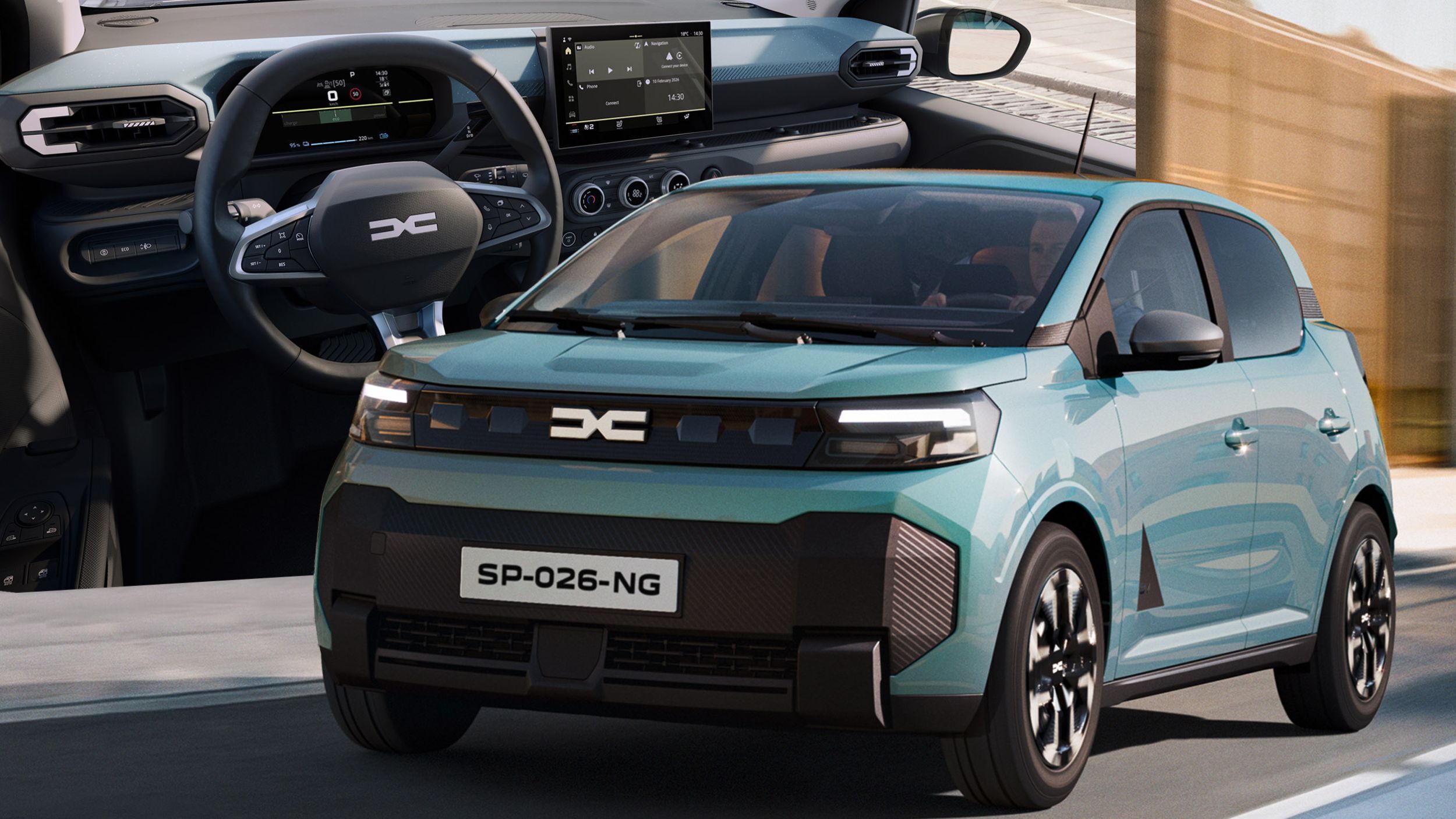
The new Spring’s cabin adds a seven-inch digital instrument cluster, a 10.1-inch multimedia touchscreen, blue interior accents, numerous storage compartments and retained physical controls rather than relying entirely on touchscreens.
2
Performance is modest: the 80-hp Spring is heavier than its predecessor, takes a claimed 12.1 seconds to reach 62 mph and has a top speed limited to 80 mph. Dacia says the typical Spring driver travels about 13 miles per day at an average 13 mph, while three-quarters of charging is done at home.
3
The standard 6.6-kW AC charger takes about 2 hours and 55 minutes to replenish the battery from the outlet, in contrast to the roughly 28-minute 15-to-80% time available with the optional 50-kW DC system.
4
Dacia is emphasizing low-cost durability in the design: the car uses 15-inch steel wheels as standard, optional 16-inch wheels are also steel, and its front and rear bumpers are made from unpainted black plastic to reduce the impact of parking scrapes.
5
The Spring’s European production is intended to address a specific sales problem in France, where the outgoing Chinese-built model was excluded from the low-income buyer subsidy scheme. Dacia sales and operations chief Frank Marotte said the company was being held back because it had only one electric model, as demand for EVs across segments increased.
Dacia has unveiled a completely redesigned Spring electric car that starts at about €17,900 and stays below €20,000 across Europe. The EV Report reports the new hatchback runs on a 27.5-kWh battery with up to 155 miles of range, built at Renault Group's plant in Slovenia rather than imported from China.
The shift to European production qualifies the Spring for regional subsidies that excluded its Chinese-built predecessor. AM Online notes pricing starts below £18,000 in the UK. Deliveries begin in early 2025, targeting buyers seeking affordable, practical city transport over highway performance.
From Chinese Platform to Renault Group Architecture
The new Spring abandons its Chinese-derived foundation for Renault Group's RG-EV Small platform, the same architecture powering the Renault Twingo and Renault 5 E-Tech. Piston Heads confirms the redesign breaks ties with the Renault Kwid. The move lets Dacia share engineering costs across multiple models while building a more spacious vehicle under €20,000.
The new Spring grows 15 centimeters longer and 18 centimeters wider than its predecessor. Cargo space reaches 1,283 liters with rear seats folded. Electric Drives TV highlights the cabin now includes a seven-inch digital gauge cluster, a 10.1-inch touchscreen, and blue accents, while keeping physical controls instead of relying solely on touch inputs.
Modest Power Meets Real-World Driving Patterns
The Spring's 80-horsepower motor reflects its intended use: short daily journeys. Dacia says typical Spring drivers travel about 13 miles per day at an average speed of 13 mph. The car takes 12.1 seconds to reach 62 mph and tops out at 80 mph—adequate for city streets, not highway cruising. Three-quarters of charging happens at home using the standard 6.6-kW charger, which takes about 2 hours and 55 minutes to fully replenish the battery.
An optional 50-kW DC fast charger cuts charging time dramatically. It restores the battery from 15% to 80% in roughly 28 minutes, giving owners flexibility for longer trips. The practical 27.5-kWh LFP battery prioritizes cost and reliability over raw performance, aligning the Spring with urban commuter needs rather than attempting to compete with longer-range models.
Budget Engineering Built for Durability and Low Costs
Dacia's no-frills approach extends to every component. The Spring comes standard with 15-inch steel wheels; optional 16-inch wheels are also steel, not alloy. Front and rear bumpers are unpainted black plastic, reducing repair costs from minor parking scrapes. This design philosophy keeps ownership expenses low while acknowledging that budget buyers prioritize affordability over premium finishes.
European production addresses a critical sales barrier. Car Scoops notes the new model manufactures in Europe to fight Chinese competitors while securing regional subsidies. In France, the previous Chinese-built Spring was excluded from low-income buyer incentives. Dacia sales chief Frank Marotte stated the company needed more electric models as EV demand across all segments grew. Over 210,000 first-generation Spring models sold since 2021, proving market hunger for affordable EVs.
Sentiment
Mostly PositiveNEGATIVENEUTRALPOSITIVE
Publishers
36
Articles
25
Reach
61
Topics
A
AnonymousAuthor


