Florida Leprosy Surge
Florida Reports New Increase in Leprosy Cases, Remains US Hotspot for Disease
Anonymous
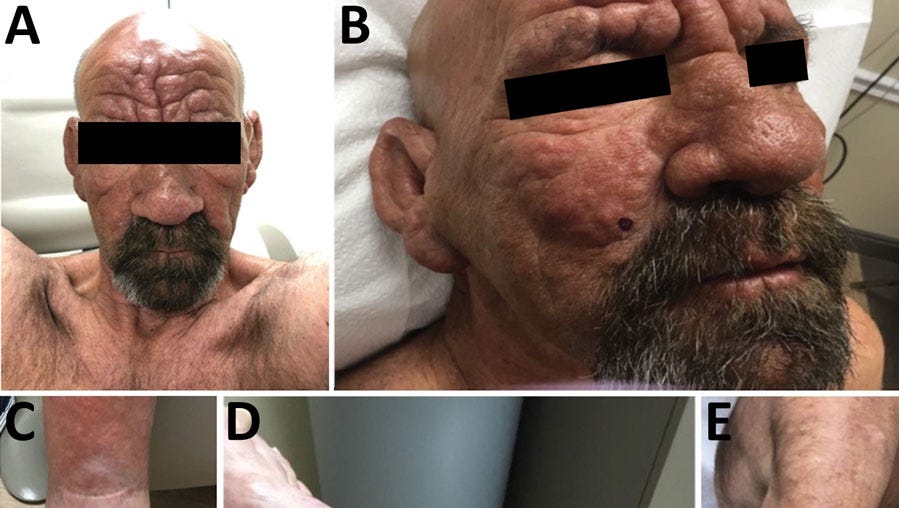
Florida has already recorded 17 cases of Hansen's disease — commonly known as leprosy — by mid-July 2026, according to Florida Today. That is one more case than the entire state reported in all of 2025. The rise puts Florida at the center of a disease most Americans thought was long gone.
Leprosy affects up to 225 people a year in the US and about 250,000 people globally, according to Ocala.com. Florida alone accounted for more than 20% of all US cases in 2025, based on data from the National Hansen's Disease Program.
Florida Leads Nation in Leprosy Cases by Far
Florida consistently reports more leprosy cases than any other state. Warm states like Louisiana and Texas also see elevated numbers, but Florida stands apart. In 2025, the state's share of national cases exceeded one in five, according to Gainesville.com. That trend is continuing in 2026.
The disease is not new to the state. Health officials have tracked it for decades. But the steady rise in recent years has drawn fresh attention. Scientists and doctors are now trying to understand why Florida keeps seeing more cases than anywhere else in the country.
Nine-Banded Armadillos Suspected as Key Culprit
The exact source of infection is often hard to trace. But studies point strongly to the nine-banded armadillo, according to St. Augustine Record. These animals are common across Florida and the South. They are one of the only non-human animals known to carry the bacterium that causes leprosy.
People do not need direct contact to be at risk. Experts believe the bacteria can spread through soil or water where infected armadillos have been. Florida's warm, humid climate may help the bacterium survive longer outside a host. That could partly explain why the state is a hotspot.
Leprosy Can Hide for Up to 20 Years Before Symptoms Appear
One of leprosy's most unusual traits is how slowly it moves. The disease can take anywhere from a few months to 20 years to show symptoms, according to News-Journal Online. That long delay makes it very hard to trace where or when a person was exposed.
Left untreated, leprosy can cause permanent nerve damage. It can also damage the skin, eyes, and limbs. However, the disease is treatable with a combination of antibiotics. Doctors say most people who get treatment early make a full recovery. The disease is also far less contagious than many people believe.
Public Health Risk Remains Low Despite Rising Numbers
Health officials stress that the overall risk to the public is still very low. The US sees fewer than 225 cases a year, a tiny number compared to the country's population of 335 million. Globally, cases have dropped sharply over the past 40 years, from millions annually to around 250,000, according to Florida Today.
Still, the rise in Florida cases is being watched closely. Experts say more research is needed to understand local transmission patterns. For now, health officials urge people who spend time outdoors in Florida — especially near wooded areas — to avoid contact with armadillos.
Sentiment
NeutralNEGATIVENEUTRALPOSITIVE
Publishers
5
Articles
4
Reach
5
A
AnonymousAuthor


