Iran-US Tensions Rise
Iran Suspends Deal Commitments as US Exchanges Strikes, Escalating Strait of Hormuz Conflict
Anonymous
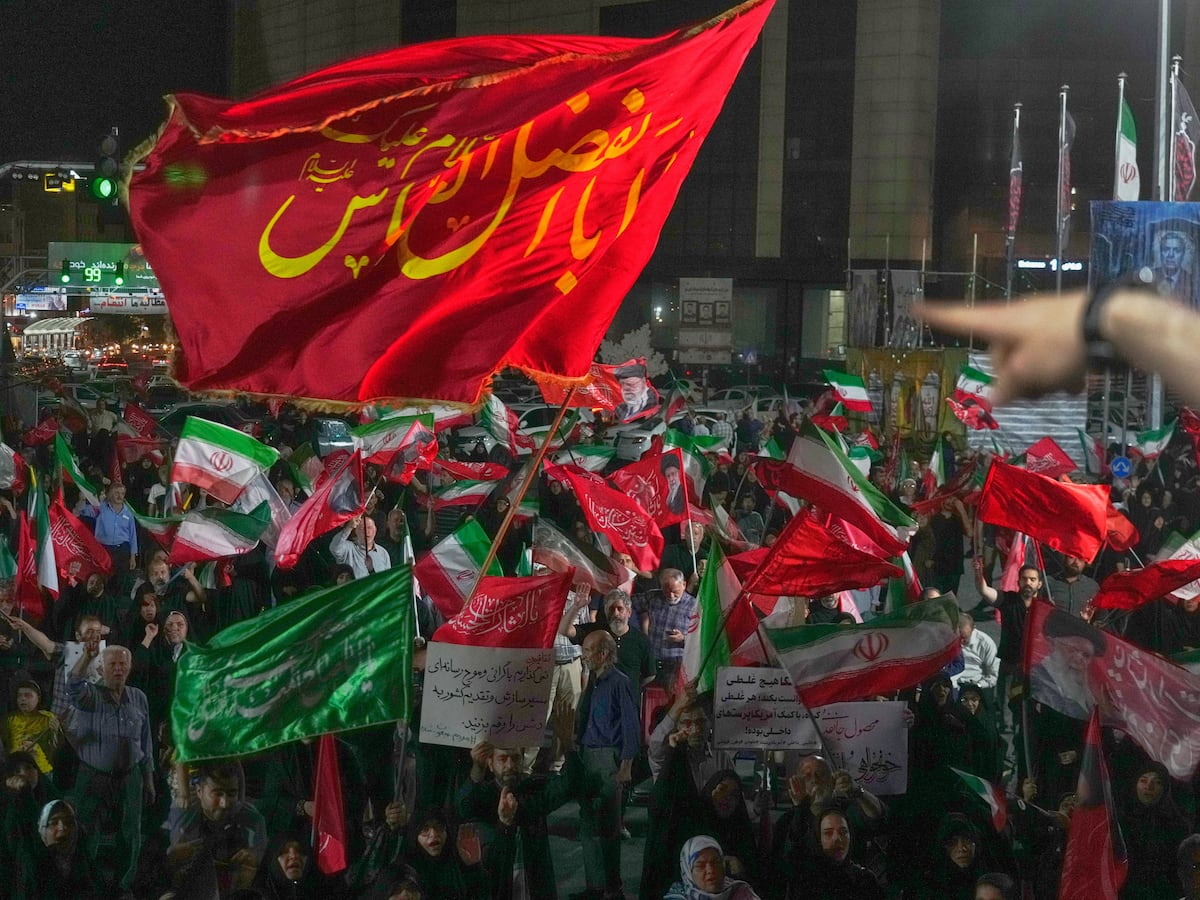
Iran has suspended its commitments under an interim deal with the United States as the two countries exchange strikes on infrastructure and military targets, according to Local 10. The move marks a sharp escalation in the conflict, with no new word on whether diplomatic talks are still ongoing.
The fighting has centered on the Strait of Hormuz, the narrow waterway that once carried roughly one-fifth of the world's crude oil. Control of that passage has become the defining flash point of the conflict, Erie News Now reported.
Iran Suspends Interim Deal Commitments Amid Exchange of Strikes
Iran formally announced it is suspending its obligations under the interim agreement with Washington, Oskaloosa reported. The declaration came as both sides targeted each other's infrastructure and military sites. No new details emerged on whether any ceasefire or back-channel talks remain active.
The strikes represent the latest round in an escalating cycle. U.K. Central Command said its seventh consecutive night of strikes hit "surveillance sites, military logistics infrastructure, underground weapons storage, and maritime capabilities," according to Lancaster Online.
Kuwait Hit Hard as Airspace Shuts and Flights Are Rescheduled
The most significant civilian damage occurred in Kuwait. A water desalination plant and an oil facility were struck, Dayton Daily News reported. Kuwait briefly closed its airspace in response to missile threats in the region.
Kuwait Airways announced it was rescheduling most flights to and from the capital. The closures added to growing fears about disruption across Gulf states as the conflict widened beyond its initial targets, according to Yakima Herald.
Iran's Revolutionary Guard Warns Countries Hosting U.S. Forces
Iran's Islamic Revolutionary Guard Corps issued an expanded warning to countries that host U.S. military assets, Herald Bulletin reported. The warning signals that Tehran may widen its target list beyond direct U.S. positions to include allied nations in the region.
The IRGC has steadily raised the stakes since strikes began. Analysts say the warnings are meant to pressure Gulf states into asking American forces to leave, according to Bakersfield. No country has publicly responded to the demand.
Strait of Hormuz Conflict Threatens Global Oil Supply
The Strait of Hormuz is roughly 21 miles wide at its narrowest point. It was previously responsible for moving about one-fifth of the world's crude oil each day. Any sustained closure could send global energy prices sharply higher, Enid News reported.
Military activity in and around the strait has already rattled energy markets. Shipping companies have begun rerouting tankers away from the Gulf. The full economic impact will depend on how long the exchanges of strikes continue, according to The Facts.
Sentiment
NeutralNEGATIVENEUTRALPOSITIVE
Publishers
13
Articles
13
Reach
13
A
AnonymousAuthor


