Leipzig Drone Attack Response
EU and NATO prepare massive sanctions following the coordinated drone attack in Leipzig.
Anonymous
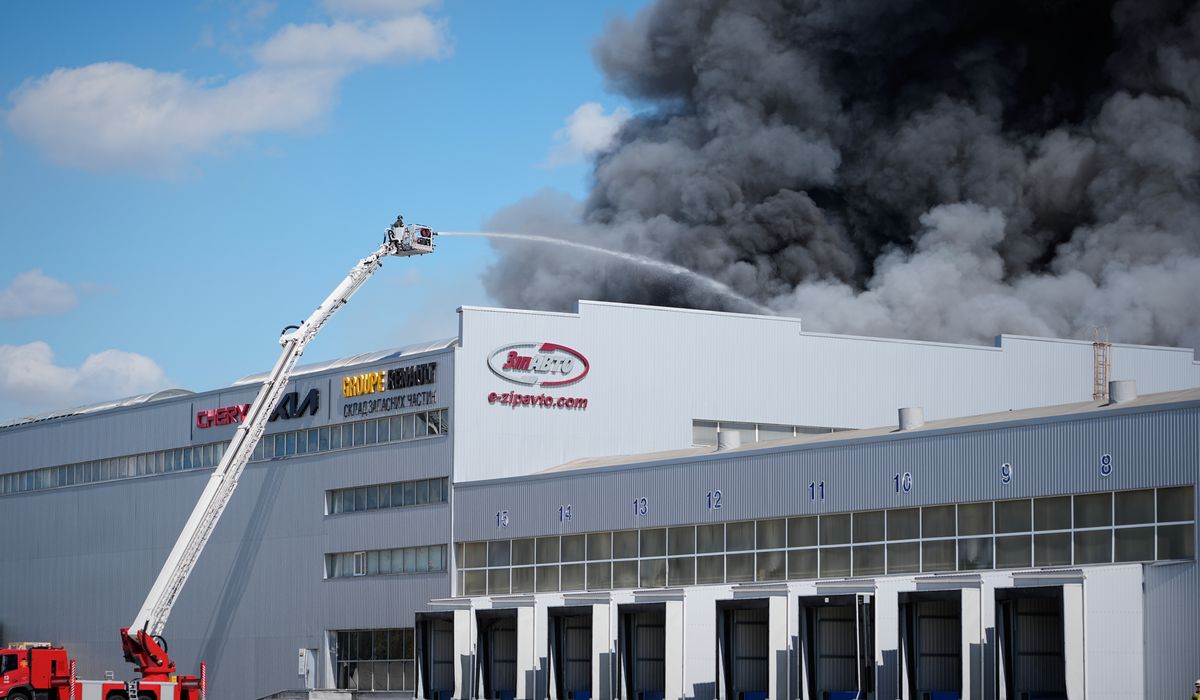
Key Points
1
Two Russian suspects identified in the Leipzig drone attempt: a Belarusian national who also held a Russian passport, and a second suspect with Latvian and Russian passports.
2
Germany also ended the contract for a Berlin cultural centre as part of its measures, alongside closing the Russian Consulate General in Bonn.
3
Dmitry Medvedev publicly threatened a direct strike on German weapons factories and possibly other Berlin targets, invoking Germany’s alleged neo-Nazi and Russophobic policies.
4
CIA Director John Ratcliffe reportedly visited Moscow to discourage escalation amid broader discussions about ending the Ukraine war.
5
Markets and risk analysts are signaling a higher probability of a NATO-Russia clash within the coming years, with estimates suggesting about a 25% increase in the likelihood by end-2026.
The EU and NATO launched a sweeping response to the Leipzig airport drone attack, formally attributing the plot to Russian state agencies and announcing sanctions against approximately 1,600 individuals and entities tied to Russia's military industry. The Guardian reported that Germany's Foreign Minister Johann Wadephul declared his country a "daily target of hybrid warfare" and ordered the closure of Russia's Bonn consulate by September 18, escalating tensions between Berlin and Moscow over what officials called a state-sponsored hybrid attack.
Russian officials denied all involvement, with PBS News reporting that Moscow's diplomats rejected the accusations as "unproven" and "contrived pretexts" for escalation. The incident has sparked a war of words, with Russian Deputy Chairman Dmitry Medvedev threatening direct strikes on German military facilities while NATO and EU leaders pledged to intensify pressure on Moscow amid signs that markets now assess a roughly 25% higher probability of a NATO-Russia conflict by the end of 2026.
Two Suspects Linked to Russian Intelligence Operations
German investigators identified two suspects in the plot: a Russian-born Latvian logistics coordinator and a Belarusian national holding a Russian passport. NDR/WDR/Süddeutsche Zeitung reported that the Latvian suspect entered Germany via Berlin Brandenburg Airport in late July to coordinate operational details, then departed two days before the August 4-5 incident at Leipzig/Halle Airport. Forensic evidence including DNA recovered from an explosive tin and a signal-boosting antenna directly linked both men to the attack.
The Insider documented that the perpetrators operated with "a high level of technical expertise" despite being described as low-level agents, suggesting direct Russian state coordination. The plot targeted an airport that hosts NATO's Strategic Airlift International Solution hub, a critical supply line for military equipment bound for Ukraine.
Germany Escalates Countermeasures Against Moscow
Berlin announced multiple retaliatory steps beyond the consulate closure. PBS News reported that Germany rescinded the lease for Berlin's Russian House cultural center and vowed to intensify security measures across the country. Foreign Minister Wadephul stated that Germany faced constant Russian hybrid attacks and would defend itself with all available tools, signaling a fundamental shift in Berlin's approach to Moscow.
The EU Foreign Policy Chief Kaja Kallas labeled the plot as bearing "all the hallmarks of state-sponsored terrorism," while Deutsche Welle reported that European Commission President Ursula von der Leyen stated Russian intelligence had used "military-grade materials on European Union territory." These declarations set the stage for coordinated EU sanctions targeting roughly 1,600 Russian entities and individuals tied to military operations.
Medvedev's Threats Signal Broader Hybrid Warfare Strategy
Russian Deputy Chairman Dmitry Medvedev escalated rhetoric by publicly threatening direct missile strikes on German weapons factories and possibly other Berlin targets. Times Now and The Independent reported that Medvedev framed Germany's leadership as pursuing a "neo-Nazi and fiercely Russophobic course," reversing Moscow's typical denial stance and openly invoking potential military retaliation against a NATO member.
The threat marked a significant escalation beyond past Russian hybrid attacks. PBS News noted that Europe has endured roughly 200 such Russian operations in recent years, but Medvedev's public call for strikes on German civilian infrastructure represents a new threshold. Analysts interpret the shift as Moscow signaling willingness to broaden its destabilizing tactics across Europe.
CIA Visit and Shifting Risk Calculations for NATO
RFE/RL reported that CIA Director John Ratcliffe conducted an unannounced visit to Moscow in late August to warn Russian intelligence against targeting NATO territory. The visit underscored rising anxiety in Washington about the potential for direct NATO-Russia conflict, even as diplomatic channels remained open.
Risk analysts and markets have updated their threat assessments following the Leipzig attack. Financial modeling now suggests approximately a 25% increase in the probability of a NATO-Russia clash by the end of 2026. Euractiv reported that EU officials view the incident as part of a broader pattern of Russian destabilization that has fundamentally altered European threat perceptions and may trigger higher military readiness across the continent.
Sentiment
Mostly NegativeNEGATIVENEUTRALPOSITIVE
Publishers
64
Articles
75
Reach
139
Topics
A
AnonymousAuthor


