Royal Gender Equality
Liechtenstein Royal House Approves Gender-Equal Succession, Ending Male Primogeniture for Throne
Key Points
The vote also grants all female descendants of the Princely House the same participation rights in matters governed by the House Law as male descendants.
The eldest child of Crown Prince Alois and Princess Sophie, Prince Joseph Wenzel Maximilian Maria (born in 1995), is the first-born among Alois' four children.
Liechtenstein's monarchy retains significant formal powers, including the ability to veto referendum results, appoint judges, and fire the government.
Historically, Liechtenstein originated with the purchase of Vaduz and the Lordship of Schellenberg in 1699 and 1712, later uniting as an Imperial Principality in 1719; the country today has about 40,000 residents.
Brigitte Haas became Liechtenstein's first female prime minister last year, marking a notable milestone alongside the royal succession reform.
Liechtenstein has ended centuries of male-only royal succession, announcing that firstborn children will inherit the throne regardless of gender. upday reports the tiny Alpine principality is now one of the last European monarchies to make this shift.
The change was approved on the country's national day by a two-thirds vote of eligible members of the Princely House, according to CTV News. The reform also grants all female descendants of the royal family the same participation rights in family governance as male descendants.
How the New Succession Rule Actually Works
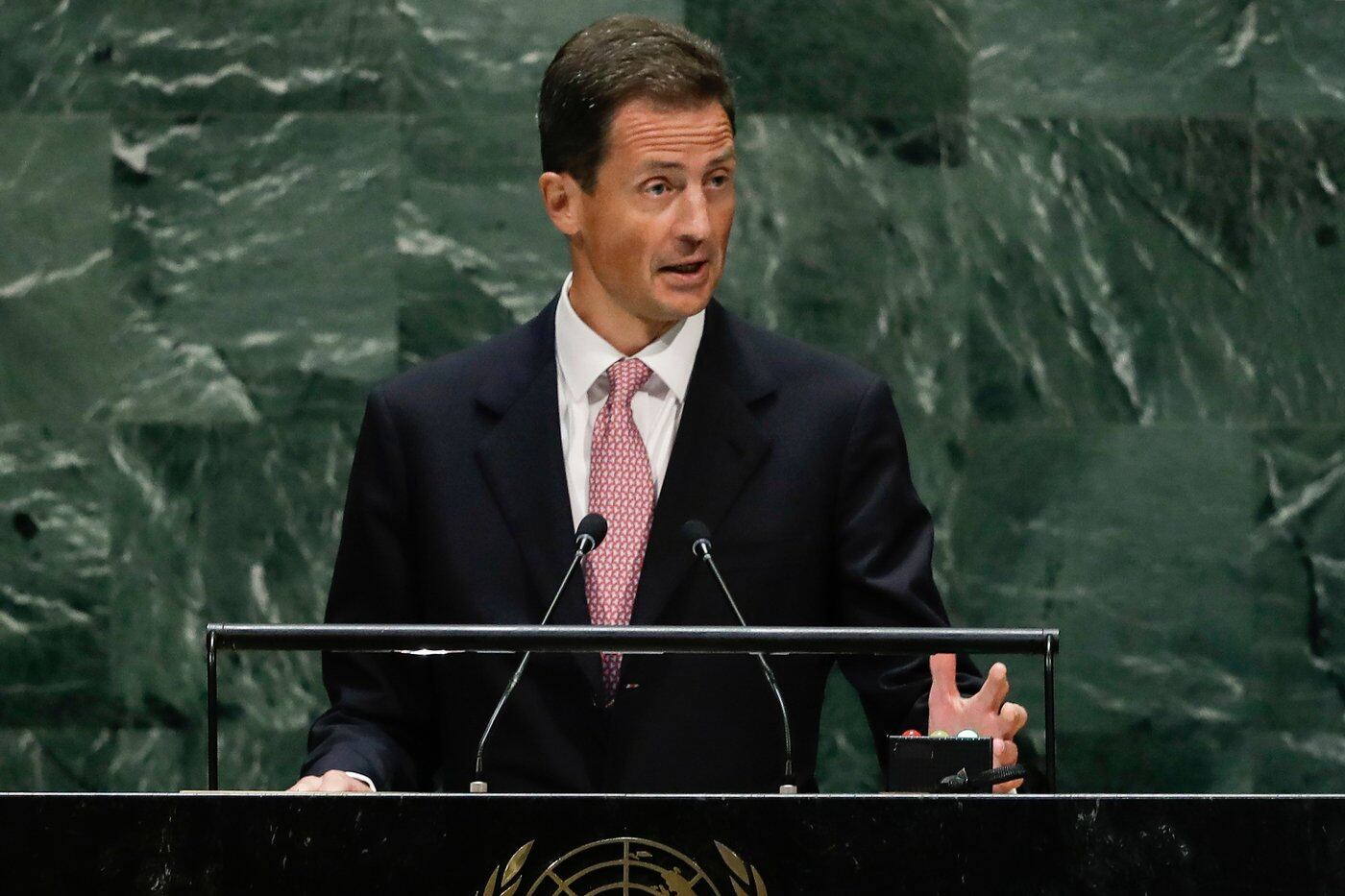
Under the old rules, the throne passed to the eldest son. Now, the eldest child inherits — full stop. Crown Prince Alois, who has handled most royal duties since 2004, explained the reasoning simply. The goal, he said, is to ensure the role goes to "the person best prepared" for it, not just the eldest male.
The change does not immediately reshuffle the top of the line of succession. Prince Joseph Wenzel Maximilian Maria, born in 1995, is the eldest child of Crown Prince Alois and Princess Sophie. He remains first in line. But future generations will now follow the new gender-equal rule, according to Perth Now.
A Small Nation With a Powerful Monarchy
Liechtenstein is a constitutional monarchy with about 40,000 residents. It sits between Switzerland and Austria. Despite its small size, the monarchy holds real power. The ruling prince can veto referendum results, appoint judges, and fire the government, according to Head Topics.
The country has deep roots. It was formed after the purchase of Vaduz in 1699 and the Lordship of Schellenberg in 1712. The two territories united as an Imperial Principality in 1719. That centuries-old institution now operates under a fundamentally changed succession law.
Women's Rights in Liechtenstein: A Long, Slow March
The succession reform does not happen in a vacuum. Liechtenstein only gave women the right to vote in national elections in 1984 — one of the last countries in Europe to do so. The new rule is part of a broader, gradual push toward gender equality in the principality.
Last year, Brigitte Haas became Liechtenstein's first female prime minister — a notable milestone in its own right. Now, for the first time, a woman could also one day rule as princess. Together, these two developments mark a significant shift in how Liechtenstein's institutions treat women in leadership.
Where Liechtenstein Stands Among European Monarchies
Several European monarchies already allow women to inherit the throne on equal terms. Sweden changed its rules back in 1980. The Netherlands, Norway, and Belgium followed in later decades. upday notes that Liechtenstein's move makes it one of the last holdouts to finally adopt this standard.
The Princely House framed the change as one about readiness, not just fairness. By opening succession to all firstborn children, the family says it is simply making sure the best-prepared person leads — whatever their gender. For a monarchy that has existed for more than 300 years, that is no small shift.
Sentiment
Mostly NegativePublishers
20
Articles
146
Reach
166


