Afghanistan's Paradox: Security vs. Hardship
Afghanistan Marks Five Years Under Taliban: Security Up, Economy Down, Women's Rights Vanish
Key Points
Ahmad Dawood, 29, who had hoped to study fashion design, import Turkish fabrics, and hire dressmakers, now works on his family’s farm outside Kabul and secretly sews dresses for a small number of female customers.
The Taliban are described as unrecognized internationally and sanctioned by the international community, a status that has coincided with rising poverty and unemployment and has constrained aid and central-bank assets.
Hundreds of thousands of Afghans have fled to neighboring countries or the West to escape poverty and repression, while many remain unable to leave the country.
Mohammad Qasim, a 30-year-old Kabul resident, told AP: "Thank God, the past five years have passed in safety," and he urged the government to create employment opportunities for the youth.
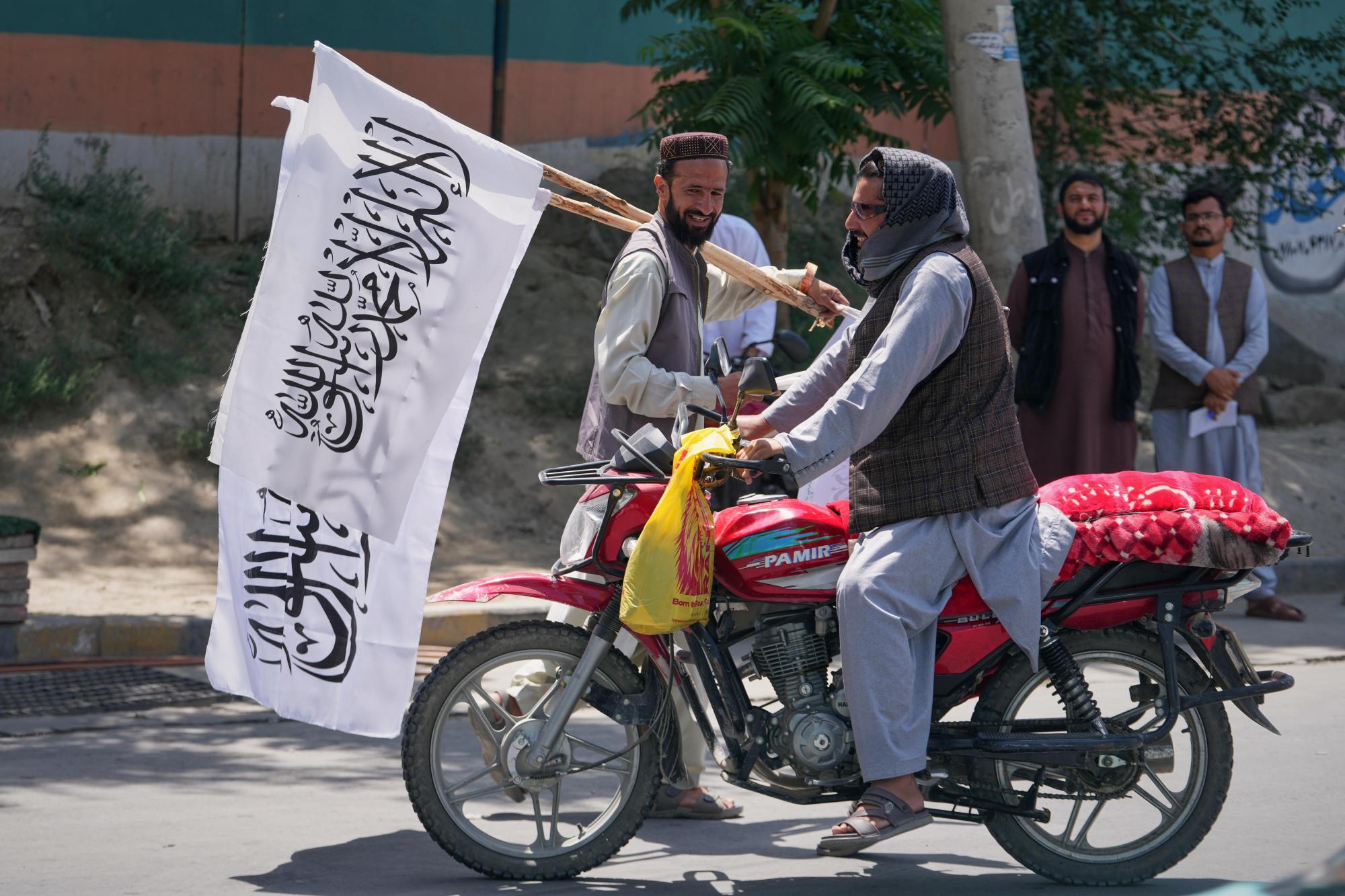
Five years after the Taliban swept back into Kabul, Afghans describe a country transformed — safer from bombs and gunfire, yet crushed by poverty, joblessness, and sweeping restrictions on women. Associated Press reports that Taliban rulers marked the anniversary with celebrations, even as residents pleaded for jobs and schools.
Girls are still banned from secondary school and university. Women cannot work most jobs or travel alone. Hundreds of thousands of Afghans have fled to neighboring countries or the West to escape the hardship, according to Associated Press.
Dreams Shelved as Economy Collapses Under Taliban Rule
Ahmad Dawood, 29, once dreamed of studying fashion design. He planned to import Turkish fabrics and hire dressmakers. Today he works on his family's farm outside Kabul. In secret, he sews dresses for a small number of female customers — a quiet act of defiance in a country where women's freedoms are shrinking, Associated Press reports.
His story reflects a wider collapse. The Taliban are not recognized by any government and face international sanctions. Those sanctions have choked off aid and frozen Afghanistan's central bank assets. The result is rising poverty and unemployment felt across the country.
Kabul Residents Feel Safer but Demand Jobs and Schools
Not everyone sees only darkness. Mohammad Qasim, a 30-year-old Kabul resident, told Associated Press: "Thank God, the past five years have passed in safety." He urged the Taliban government to "create employment opportunities for the youth." Many residents echo that view — grateful for reduced violence but desperate for economic relief.
The drop in armed conflict is real. Suicide bombings and militant attacks that plagued Kabul for years have largely stopped. But for many Afghans, trading war for hunger and repression feels like a hollow bargain.
UN Flags Progress on Poppies but Warns on Women's Rights
The United Nations has noted some gains. UNAMA, the UN's mission in Afghanistan, points to a sharp drop in poppy cultivation, new reconstruction opportunities, and growing regional trade ties. Those are real improvements after decades of war, according to Associated Press.
But the UN is firm: lasting peace requires lifting restrictions on women. That means allowing girls back into secondary school and universities, letting women work, and protecting basic rights. Without those changes, the UN says international engagement will stay limited and humanitarian aid will remain the main economic lifeline for millions.
Political Isolation Locks In a Humanitarian Crisis
No country in the world officially recognizes the Taliban government. That isolation keeps Afghanistan locked out of global banking and foreign investment. Central bank assets frozen after the 2021 takeover remain largely out of reach, strangling the formal economy, Associated Press reports.
Millions of Afghans now depend on humanitarian aid to survive. Those who can leave are leaving — to Pakistan, Iran, Europe, or the United States. Those who cannot leave face a daily grind of high prices, scarce work, and a government that shows no signs of softening its rules on women and girls.
Sentiment
Mostly NegativePublishers
11
Articles
75
Reach
86