Iran deadline
Armstrong Williams cautions Iran as Strait of Hormuz talks stall, stressing 'deadlines have meaning'
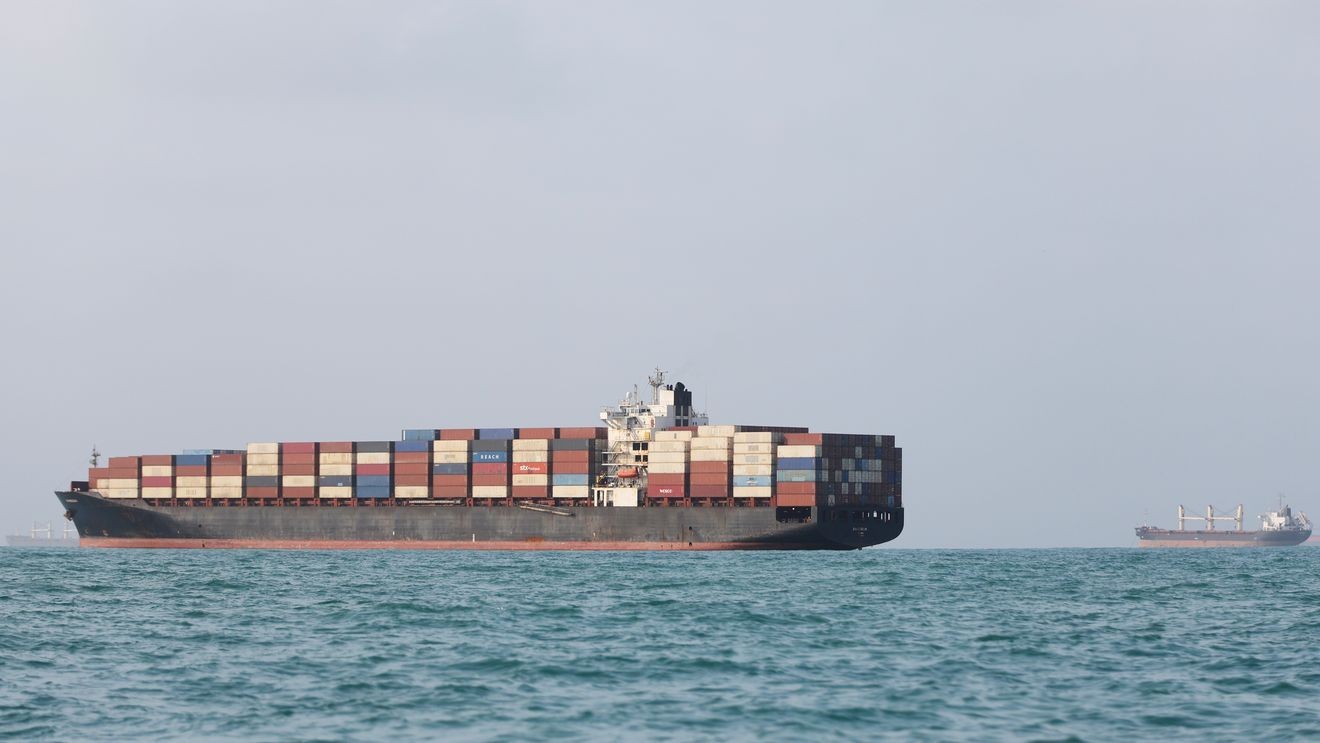
A 60-day deadline for Iran negotiations has expired with no deal reached and the Strait of Hormuz still in dispute, according to News Channel 9. Washington insider Armstrong Williams is now warning Tehran that diplomacy has limits — and that consequences will follow if Iran keeps threatening international shipping through one of the world's most critical waterways.
Williams put it bluntly: 'Deadlines have meaning.' The warning signals growing frustration in Washington over Iran's refusal to reach a broader agreement after 60 days of talks, according to WGXA.
60-Day Deadline Passes With No Deal Signed
The 60-day window for U.S.-Iran negotiations closed without a resolution on two key issues: ending the war and reopening the Strait of Hormuz, according to WSET. The Strait of Hormuz is a narrow channel between Iran and Oman. About 20% of the world's oil passes through it. Closing it would send global energy prices soaring.
Washington now faces a hard question: how long should the U.S. keep talking if Iran won't deliver results? KOMO News reported that the stalled talks have raised serious doubts about whether diplomacy alone can move Tehran toward an agreement.
Williams Calls for Pressure Alongside Diplomacy
Armstrong Williams, a prominent Washington commentator and media executive, argued that the U.S. should not rely on diplomacy alone, according to ABC News 4. He said Washington must pair negotiations with other forms of pressure if Iran continues to threaten international ships in the Strait.
Williams stopped short of calling for military action. But his message was clear: Iran cannot keep stalling without facing real costs. 'Deadlines have meaning,' he said, according to Fox San Antonio. The warning reflects a harder line among some Washington insiders who believe soft diplomacy has run its course.
Strait of Hormuz Remains a Global Pressure Point
The Strait of Hormuz is not just a regional issue. It is a chokepoint for global oil supply. Iran's ability to threaten or close the Strait gives Tehran enormous leverage over world energy markets. Any disruption there can spike oil prices within hours, hitting consumers across the globe.
That leverage is exactly why Williams and others say the U.S. must send a stronger signal, according to News 3 LV. Letting the 60-day deadline pass without consequences, critics argue, tells Iran that American deadlines are flexible — and that Tehran can keep stalling without paying a price.
SPLC Criminal Case Surfaces in Broader Williams Interview
The conversation with Williams also touched on an unrelated federal criminal case involving the Southern Poverty Law Center, according to Local 12. Prosecutors allege that donor money was improperly funneled to informants planted inside extremist organizations. The SPLC has pleaded not guilty to all charges.
Williams said the evidence should decide the outcome. He did not take a strong side, but noted the case raises serious questions about how advocacy organizations use donor funds, according to Idaho News. The SPLC case remains in early legal stages, with no trial date set.
Sentiment
NeutralPublishers
17
Articles
16
Reach
17


