Iran Seeks Diplomatic Return
Iran Promises Immediate Reciprocity If United States Returns To Islamabad Memorandum Commitments
Anonymous
Key Points
1
The Islamabad Memorandum of Understanding signed on June 17-18, 2026, was designed to halt fighting and create a 60-day window for broader negotiations on issues including Iran's nuclear program and sanctions relief, with provisions for ending the U.S. naval blockade and ensuring safe passage through the Strait of Hormuz; the deal unraveled within weeks and expired on Aug. 17 without a final agreement.
2
Iranian President Bazargan argued that the United States' commitments under the memorandum did not last more than two weeks, and that Iran has a distinguished track record of upholding commitments, unlike Washington.
3
Pezeshkian said that if the U.S. returns to its commitments under the Islamabad memorandum, Iran would immediately reciprocate, reiterating that Washington's violations were met with a proportionate Iranian response.
4
During the Shanghai Cooperation Organisation summit, Pezeshkian stressed diplomacy over armed conflict, telling Modi that continued war is not in anyone's interest and that dialogue and cooperation are needed; he also held sideline meetings with other leaders, including Ilham Aliyev and Kyrgyz authorities.
5
Publicly visible leadership signals include Khamenei's absence from public appearances; Pezeshkian noted he had met Supreme Leader Mojtaba Khamenei earlier in his term, with Khamenei not appearing in public since March.
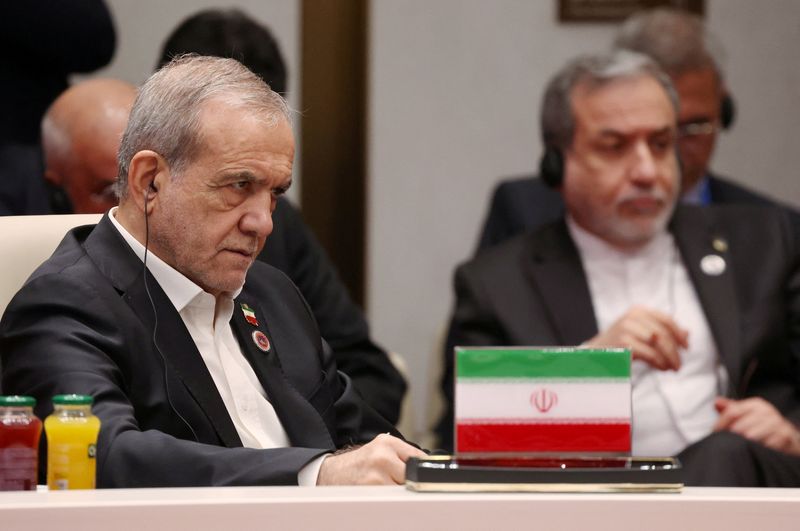
Iranian President Masoud Pezeshkian said Iran will immediately reciprocate if the United States returns to commitments under the Islamabad Memorandum of Understanding signed in June 2026. Yahoo News reported that Pezeshkian made the statement at the Shanghai Cooperation Organisation summit, arguing that Washington violated the deal first and that Tehran's response was proportionate.
The Islamabad memorandum, brokered by Pakistan and Qatar, aimed to halt fighting and create a 60-day window for broader negotiations on Iran's nuclear program and sanctions relief. The deal unraveled within weeks and expired on August 17 without a final agreement, with disputes over the Strait of Hormuz, sanctions, and nuclear issues blocking progress.
What the Islamabad Deal Promised
The memorandum signed June 17-18, 2026, required the United States to end its naval blockade and guarantee safe passage through the Strait of Hormuz. In exchange, Iran agreed to pause military operations and enter negotiations on its nuclear program and sanctions relief. The agreement included a 60-day window to reach a broader deal.
But the commitment didn't hold. Yahoo News reported that Iranian officials say U.S. commitments lasted only two weeks before Washington pulled back. The deal expired August 17 with no final agreement reached, leaving both sides blaming each other for the breakdown.
Iran's Pitch for Diplomacy Over War
At the Shanghai summit, Pezeshkian emphasized dialogue over armed conflict. He told Indian Prime Minister Narendra Modi that continued war helps no one and that cooperation is essential. He also held side meetings with other regional leaders, including Azerbaijan's President Ilham Aliyev and Kyrgyz officials.
Pezeshkian framed Iran's position as reasonable: if the U.S. honors the memorandum, Tehran will do the same. Yahoo News reported his argument that Washington broke its word first, and Iran's military response was measured in return. The message is clear—Tehran wants off-ramps from conflict, not escalation.
Trump Weighs Options as Hormuz Tensions Rise
While Iran signals willingness to talk, the U.S. side is preparing for worse. Yahoo News noted that President Donald Trump is weighing military options, including limited strikes in the Strait of Hormuz aimed at preventing Iran from rebuilding capabilities. The U.S. is concerned Iran could restart military programs once restrictions lift.
The strategic standoff remains tense. Iran says it will reciprocate if the U.S. returns to the deal. But Washington sees Tehran's nuclear ambitions and recent military actions as threats that require contingency planning. Both sides are signaling flexibility while keeping weapons close.
Sentiment
Mostly NegativeNEGATIVENEUTRALPOSITIVE
Publishers
32
Articles
96
Reach
128
A
AnonymousAuthor


