BNB Supply Reduction
BNB Chain Completes 36th Auto-Burn, Removing $931 Million from Circulation
Anonymous
Key Points
1
The 36th quarterly burn in July 2026 was the third burn of 2026.
2
The previous burn (the 35th, April 2026) destroyed 1,569,307.34 BNB (~$1.02B at the time), so the 36th burn was higher in token count.
3
Beyond the Auto-Burn, the Pioneer Burn Program offsets accidental token losses as an additional deflationary measure.
4
BNB’s BEP-95 real-time burn was introduced in November 2021 and continues to burn a fixed portion of gas fees; about 291k BNB have been burned via BEP-95 to date.
5
Roadmap highlights include a next-generation L1 with a testnet by end-2026 and mainnet in early 2027, plus throughput upgrades (H1 2026 ~5,200 TPS, 450 ms blocks, 650 ms finality) with plans to double throughput in H2 2026.
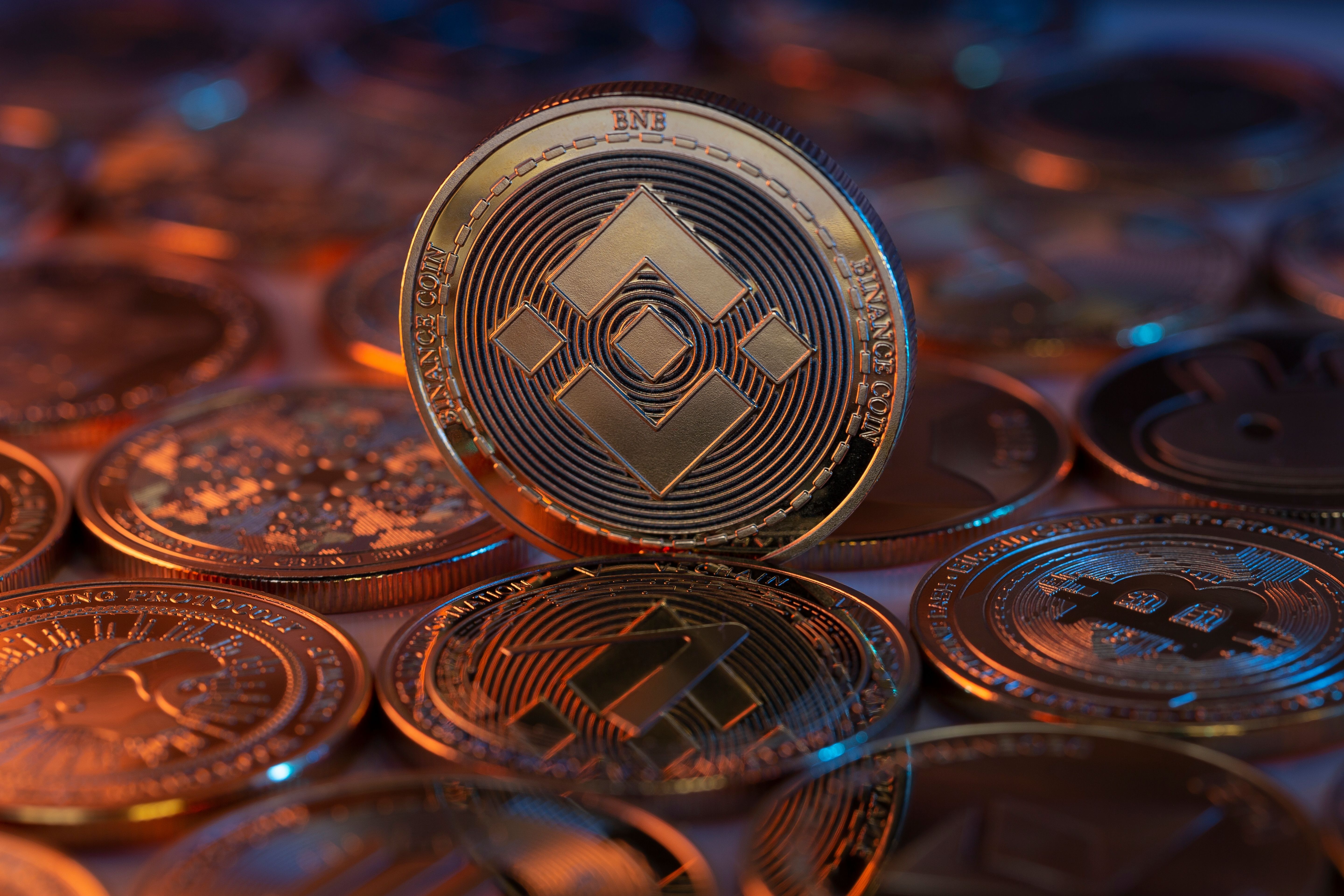
BNB Chain has completed its 36th quarterly token burn, permanently removing 1,615,827.795 BNB — worth about $931.7 million — from circulation, according to Crypto.news. The burn pushed BNB's total supply down to 133,166,127.91 tokens, continuing a long-running effort to cut the original 200 million BNB supply in half by 2030.
The burn was the third of 2026 and slightly larger in token count than the 35th burn in April, which destroyed 1,569,307.34 BNB worth about $1.02 billion at the time, CoinCodex noted. The event also coincides with BNB's ninth anniversary and a series of major network upgrades.
How the Auto-Burn Formula Decides What Gets Destroyed
BNB Chain does not pick a burn amount randomly. The Auto-Burn formula calculates each quarter's removal using BNB's average price and the number of blocks produced on the chain during that period. That means lower prices or slower block output can reduce the burn total, while higher prices push it up.
The burned tokens are sent to the 0x000...dEaD blackhole address, making them permanently inaccessible. U.Today reported that following the BNB Chain Fusion, all future burns now happen directly on BNB Smart Chain rather than involving a separate process on the old Beacon Chain.
Three Burn Mechanisms Work Together to Cut Supply
The quarterly Auto-Burn is the biggest deflationary event, but it is not the only one. BEP-95, introduced in November 2021, burns a fixed share of gas fees in real time. About 291,000 BNB have been removed this way to date, according to CoinPaper.
A third tool, the Pioneer Burn Program, offsets BNB that users accidentally lose — for example, by sending tokens to wrong addresses. Together, the three programs create constant downward pressure on supply. BNB Chain says the burn process runs independently of Binance's exchange operations.
Network Speed Upgrades Accompany the Burn Milestone
The burn comes alongside significant performance improvements on BNB Smart Chain. In the first half of 2026, the network reached roughly 5,200 transactions per second, with block times of 450 milliseconds and transaction finality in 650 milliseconds, TradingView reported.
BNB Chain plans to double that throughput in the second half of 2026. The roadmap also calls for a next-generation Layer 1 architecture, with a testnet expected by the end of 2026 and a mainnet launch targeted for early 2027. The burn framework will carry forward through all of these changes.
The Long Road to 100 Million BNB Remaining
BNB launched in 2017 with a total supply of 200 million tokens. The stated goal is to burn half of that — reaching 100 million BNB — by 2030. After 36 burns, the supply stands at 133.17 million, meaning roughly 33 million more tokens need to be removed over the next four years.
At the current pace, quarterly burns average well over one million BNB each. CoinPaper noted that each burn brings the network closer to its deflationary target, though the exact pace depends on BNB's price and chain activity in future quarters.
Sentiment
Mostly NegativeNEGATIVENEUTRALPOSITIVE
Publishers
10
Articles
5
Reach
15
Topics
A
AnonymousAuthor


