Genocide Claims Spark Global Debate
Global Debate Erupts Over Genocide Claims and Civilian Toll in Israel-Gaza War
Anonymous
Key Points
1
The genocide term was coined in 1944 by Polish-Jewish lawyer Raphael Lemkin, who defined it as the deliberate destruction of a national, ethnic, racial or religious group; the article argues that the legal charge requires proof of specific intent.
2
More than 5,000 figures from entertainment, academia and public life signed an open letter rejecting the genocide accusation against Israel. The article also describes controversy after rapper Macklemore denounced Israel at an Ed Sheeran concert, prompting his removal from the tour and an onstage apology from Sheeran.
3
Francesca Albanese responded to the statement that Gaza’s children should be killed because they might grow up to become terrorists by writing, “Children will grow up,” and saying that Nazi officials had used the same argument during the Nuremberg trials to justify killing children during the Holocaust.
4
In the Lebanon strike, two Farhat children—eight-year-old Mostafa and 11-year-old Zainab—survived the attack that killed 12 members of their family. A family friend said the younger men Hassan and Hussein were civilians who supported Hezbollah-aligned “resistance,” while their funerals featured Hezbollah flags.
5
The Electronic Intifada reported that Ameer Jaber’s mother, Mona, believed her 15-year-old son was shot by a distant sniper during an Israeli military raid in the West Bank. She said hospital staff tried to resuscitate him, but “my son’s blood was everywhere.”
The Israel-Palestinian conflict has triggered fierce debate over genocide accusations, with over 5,000 public figures rejecting the claim against Israel while UN officials and documentarians argue Israeli military actions constitute systematic destruction. The dispute centers on a legal definition: genocide requires proof of intent to destroy a group, not just mass civilian casualties. Yahoo News reports that a Venice Film Festival-winning documentary titled "NAZA" alleges Israel killed tens of thousands of Gaza civilians, fueling the genocide debate and prompting sharply conflicting interpretations of Israel's military conduct and intentions.
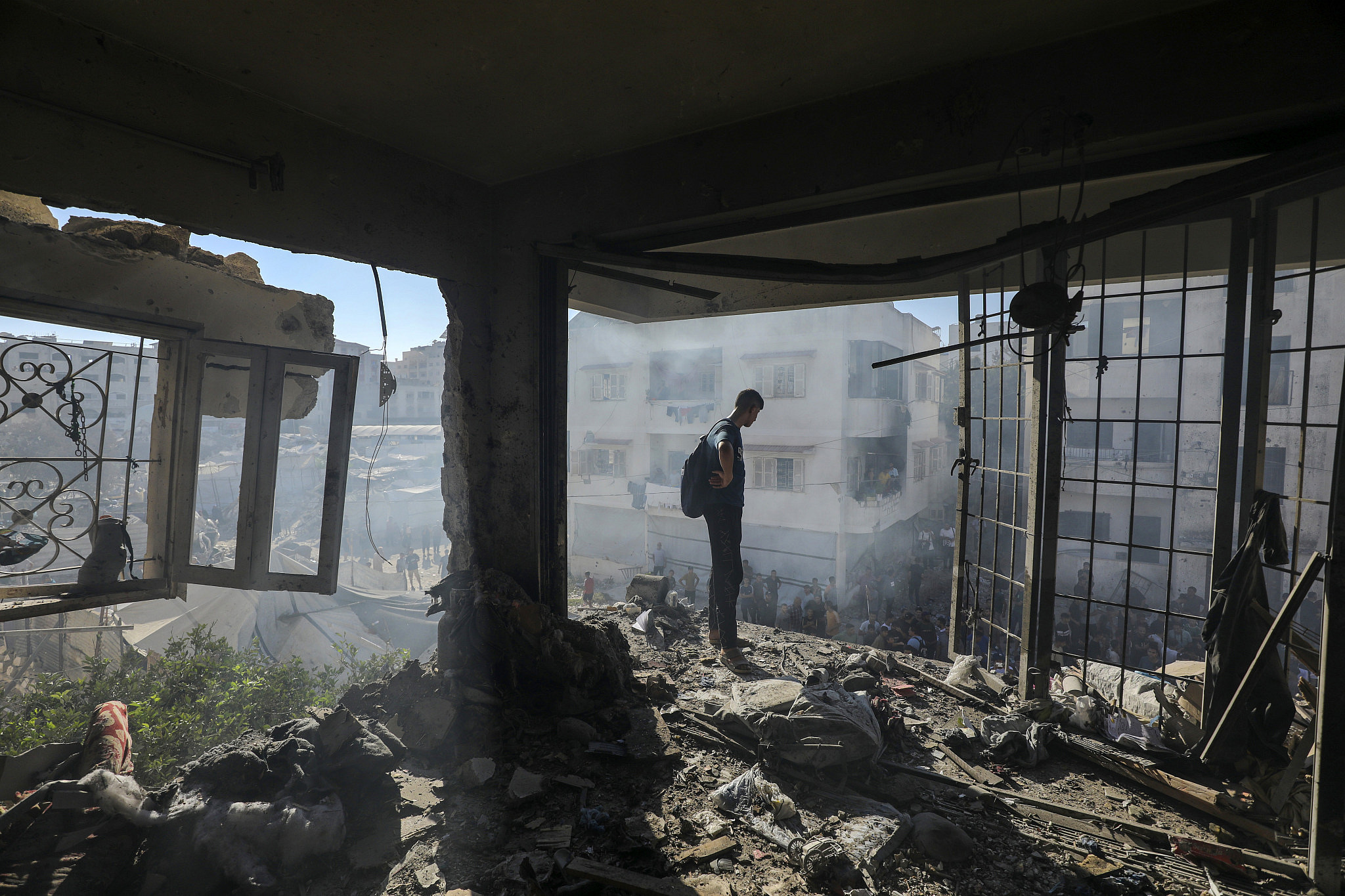
Beyond the legal argument, the conflict continues taking an unmeasurable human toll. An Israeli airstrike in southern Lebanon killed 12 family members, while two children survived. Palestinian deaths in the West Bank also continue, including a 15-year-old boy shot during an Israeli military raid. These civilian deaths underscore the war's scale while deepening divisions over whether Israel's actions meet the legal standard for genocide.
The Genocide Debate: Intent and Legal Definition
Genocide, a term coined in 1944 by Polish-Jewish lawyer Raphael Lemkin, means deliberately destroying a national, ethnic, racial, or religious group. The legal charge requires specific proof of intent to destroy—not merely high civilian death tolls. Yahoo News reports that 5,000 figures from entertainment, academia, and public life signed an open letter rejecting genocide accusations against Israel. Critics argue the term misapplies to Israel's response to Hamas's October 7 attack, where evidence of intent to destroy Palestinians remains absent from available records.
UN rapporteur Francesca Albanese directly countered arguments justifying child deaths. When told Gaza's children should die because they might become terrorists, Albanese responded: "Children will grow up." She noted Nazi officials used identical language at the Nuremberg trials to justify killing Jewish children during the Holocaust. This comparison underscores how the same rhetoric repeats across decades and conflicts.
Documentaries and Eyewitness Accounts Challenge Israel's Intent Claims
Yahoo News reports that the documentary "NAZA" by Yuval Abraham and Rachel Szor won the Special Jury Prize at Venice Film Festival. The film alleges Israel killed tens of thousands of Gaza civilians, presenting eyewitness accounts that contradict official Israeli framing. 972mag features Palestinian writer Yael Abraham stating the film does not diminish Palestinian voices or win sympathy at Palestinians' expense. These documentaries form the centerpiece of genocide arguments, offering detailed civilian testimony rather than abstract legal claims.
The competing narratives reflect a fundamental split: Israel emphasizes defensive response to Hamas attacks, while accusers highlight the scale of civilian death and destruction. Neither side disputes the casualty toll. The disagreement centers entirely on whether that toll reflects genocidal intent or collateral damage from legitimate military operations against a designated terrorist organization.
Lebanon Airstrike and West Bank Shooting Kill Civilians
An Israeli airstrike in southern Lebanon killed 12 family members, including adults, while two children—eight-year-old Mostafa and 11-year-old Zainab Farhat—survived the attack. Israel said it targeted Hezbollah infrastructure after drone launches from the area. A family friend noted the younger men Hassan and Hussein were civilians who supported Hezbollah-aligned "resistance," though Hezbollah flags appeared at their funerals. The strike exemplifies how Israel's targeting decisions blur civilian and militant categories in the region.
In the West Bank, Electronic Intifada reported that 15-year-old Ameer Jaber was shot by a sniper during an Israeli military raid. His mother, Mona, said hospital staff tried to resuscitate him but "my son's blood was everywhere." Palestinian officials call these deaths part of a systematic campaign of destruction. Israeli officials characterize them as tragic but necessary consequences of counter-terrorism operations against hostile actors.
Celebrity Controversy Highlights the Polarization
The genocide debate has spilled into popular culture. Rapper Macklemore denounced Israel at an Ed Sheeran concert, prompting his removal from the tour. Sheeran later issued an onstage apology, reflecting the extreme polarization surrounding the conflict. Even entertainment figures now navigate minefield controversies when addressing Israeli military actions. The incident shows how the genocide question has become central to cultural discourse, not merely legal argument.
Sentiment
Mostly NegativeNEGATIVENEUTRALPOSITIVE
Publishers
17
Articles
9
Reach
26
A
AnonymousAuthor


