Multi-Billion Bulk Shipping Deal
HMM Secures $3.5 Billion Vale Agreement for Eight Eco-Friendly Bulk Carriers
Anonymous
Key Points
1
The KRW 4.697 trillion contract represents 43.13% of HMM’s consolidated revenue in 2025, which was KRW 10.89 trillion, according to the company’s regulatory filing.
2
The filing sets the agreement’s overall service period from April 1, 2030, through October 31, 2056, even though each vessel’s 25-year term will begin when it enters service.
3
The vessels will transport Vale’s iron ore on routes that include Brazil and China, and payments are due within 10 business days after loading on each voyage.
4
The final contract value could vary depending on exchange rates, fuel prices, trading routes, vessel operating days and changes in propulsion fuel.
5
HMM said the contract supports its effort to reduce dependence on volatile container freight rates by expanding long-term business with large, creditworthy cargo owners; an HMM spokesperson described the agreement as reaffirming a “strong, strategic partnership” with Vale.
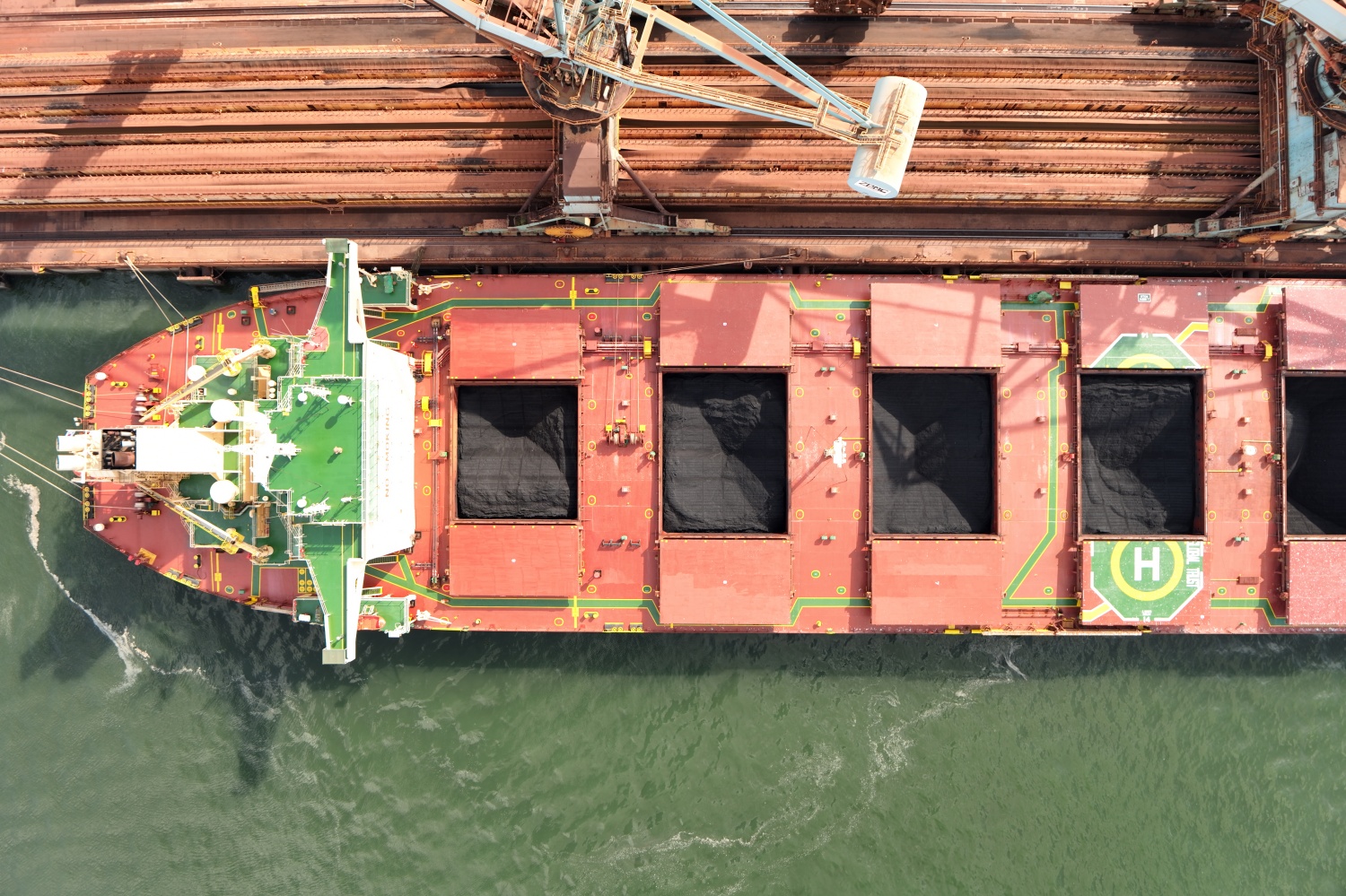
South Korean shipping company HMM has locked in a Korea Herald KRW 4.7 trillion ($3.5 billion) deal with Brazilian mining giant Vale to haul iron ore for 25 years. The contract covers eight new 210,000-ton bulk carriers that will launch sequentially starting in 2030, with service running through October 2056. This agreement represents 43% of HMM's entire 2025 revenue and marks the company's third major long-term pact with Vale.
The deal signals HMM's push to escape volatile container shipping rates by locking in stable, long-term revenue with giant, reliable clients. Splash247 noted each vessel will operate under a 25-year contract with Vale holding an option to extend up to five more years. The ships will burn methanol, ethanol, or conventional fuel oil—and are built ready for LNG and ammonia—making them lower-emission options for the high-volume trade route between Brazil and China.
Eight New Ships With Green-Ready Engines
All eight Newcastlemax bulk carriers will sport tri-fuel engines designed to cut emissions. Container News confirmed each 210,000-ton vessel is also fitted with rotor sails—rotating cylinders that catch wind to reduce fuel burn. The ships arrive in service one by one starting in 2030, spreading HMM's capital investment and matching Vale's iron ore shipment schedule across the decade.
Vale will pay HMM within 10 business days after loading ore on each voyage. GuruFocus noted the final contract value could fluctuate based on exchange rates, fuel prices, shipping routes, and operating days—but the base remains locked at KRW 4.7 trillion. This protects both parties: HMM gets predictable income, and Vale secures dedicated capacity for its biggest export commodity.
A Strategic Escape From Container Rate Volatility
HMM has long battled wild swings in container shipping rates. TipRanks reported this Vale contract exemplifies the company's shift toward bulk cargo and long-term agreements with blue-chip clients. By locking in 25-year deals with massive, creditworthy shippers, HMM trades the boom-bust cycle of spot container markets for stable, predictable cash flow.
Vale is central to this strategy. This is HMM's third major long-term contract with the Brazilian miner, underscoring the depth of their partnership. An HMM spokesperson called the agreement a reaffirmation of their "strong, strategic partnership"—language that hints at more deals to come as global iron ore demand remains robust.
The Route: Brazil to China, the World's Biggest Iron Ore Trade
Vale ships iron ore from Brazil across the Atlantic and around Africa to China, the world's largest steel producer. These eight Newcastlemax vessels are purpose-built for that grueling 40-day journey. Korea Herald noted the route is one of shipping's most competitive and fuel-intensive corridors, making green-ready engines a competitive advantage as environmental regulations tighten.
The contract's long horizon—running through 2056—hedges against future fuel price spikes and carbon taxes. HMM and Vale both benefit: Vale gets guaranteed capacity for its lifeblood export, and HMM gets 26 years of certainty in one of the world's most brutal, high-volume freight lanes.
Sentiment
Mostly PositiveNEGATIVENEUTRALPOSITIVE
Publishers
18
Articles
13
Reach
31
A
AnonymousAuthor


