Robotaxi Recall
Zoox Recalls Robotaxis After Smoke Incident Prompts Software Update Amid Heightened Regulatory Scrutiny
Anonymous
Key Points
1
The incident involved an unoccupied Zoox robotaxi driving into heavy smoke near an active fire scene, where it braked hard and attempted to steer away before stopping; under teleguidance it later reversed, while responders placed traffic cones at the scene.
2
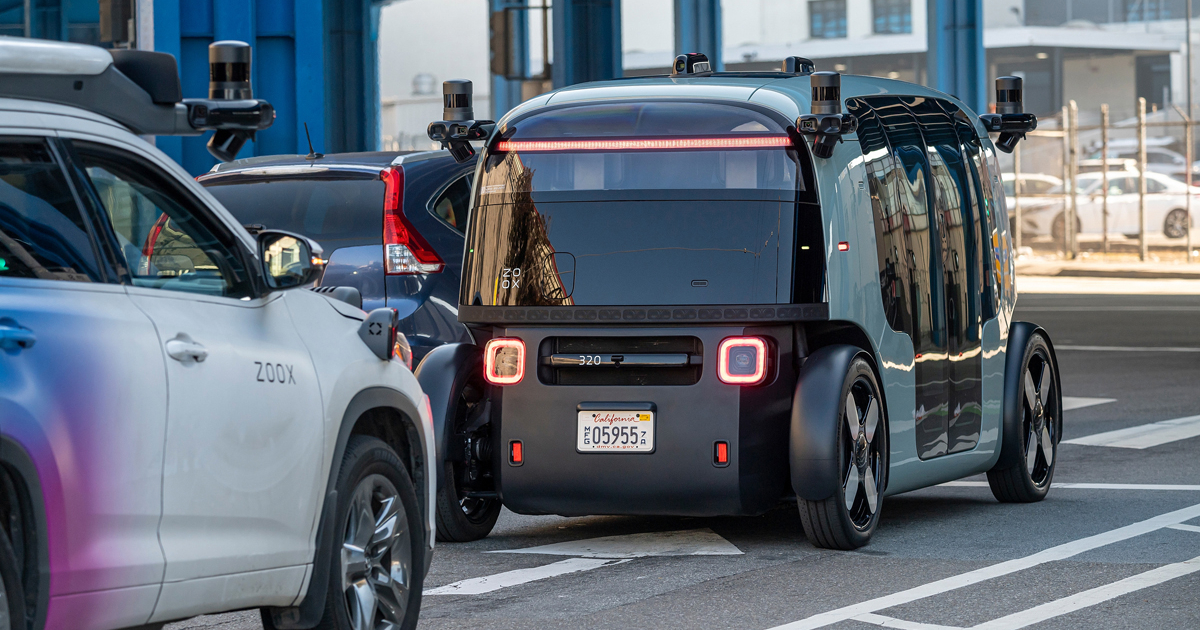
Zoox’s fleet is described as custom-built bidirectional, toast-shaped robotaxis designed from scratch, a design choice that purportedly shapes how the cars handle complex autonomous tasks versus retrofitted competitors.
3
Regulators have been warning about a pattern of driverless cars interfering with first responders, with the recall occurring amid heightened scrutiny from agencies such as the NHTSA over emergency-response safety concerns.
4
Even a relatively small recall (105 vehicles) can signal broader risks to deployment timelines and raise investor concerns about compliance costs and safety credibility across the autonomous-vehicle sector.
Amazon's self-driving car unit Zoox has recalled its entire fleet of 105 robotaxis after one of its vehicles drove into heavy smoke near an active fire scene in Las Vegas. The incident happened on June 20, when the unoccupied vehicle failed to detect the smoke, braked hard, and tried to steer away before stopping entirely, according to Al Jazeera.
Zoox says a software update will fix how its cars detect heavy smoke and respond near emergency scenes. The recall is small in number, but it arrives as federal regulators are watching the entire driverless-car industry more closely than ever.
What Happened on June 20 in Las Vegas
A Zoox robotaxi with no passengers drove into a smoke-filled area near an active fire in Las Vegas. The car braked hard and tried to turn away, then stopped. Emergency responders placed traffic cones around it. Under teleguidance — meaning a remote human operator took over — the car eventually reversed out of the area, TT News reported.
The core problem was a gap in the software. The car's system could not recognize heavy smoke as a hazard that required it to stop before entering. Zoox says the update will teach the cars to spot heavy smoke earlier and avoid areas where emergency crews are working.
Regulators Are Watching Driverless Cars at Emergency Scenes
This recall fits into a broader pattern that federal regulators have flagged. The National Highway Traffic Safety Administration, known as NHTSA, has been tracking cases where driverless cars block or interfere with first responders. The Zoox incident added fresh urgency to those concerns, according to Yahoo Autos.
Other robotaxi companies have faced similar problems. In San Francisco, driverless cars from rival firms drove into active emergency scenes and blocked fire trucks. Regulators have made clear that interfering with first responders is a red line the industry cannot cross.
Zoox's Unusual Design Sets It Apart From Rivals
Zoox builds its vehicles from scratch. Unlike competitors that retrofit existing cars with self-driving software, Zoox makes a custom, bidirectional vehicle — meaning it can drive forward and backward equally well, with no traditional front or back. The boxy, rounded shape has earned it the nickname "toast-shaped" among industry watchers, Morningstar noted.
That custom design gives Zoox more control over how the car's hardware and software work together. But it also means any flaw in the system affects every single vehicle in the fleet. With only 105 cars total, the recall covers the entire Zoox deployment.
A Small Recall With Big Implications for the Industry
One hundred and five vehicles is a tiny number compared to traditional car recalls, which often cover millions of cars. But in the robotaxi world, recalling your whole fleet sends a signal. It raises questions about deployment timelines and how much investors can trust the technology, according to Market Screener.
Zoox is backed by Amazon, which bought the company in 2020. Amazon has not said how the recall affects its broader plans for the service. For the driverless-car industry as a whole, the episode is a reminder that autonomous vehicles still struggle in chaotic, real-world situations where human drivers rely on common sense and instinct.
Sentiment
Mostly NegativeNEGATIVENEUTRALPOSITIVE
Publishers
17
Articles
77
Reach
94
Topics
A
AnonymousAuthor


