Smart School Savings
Smart Shopping Expert Offers Practical Strategies for Families to Cut Back-to-School Costs
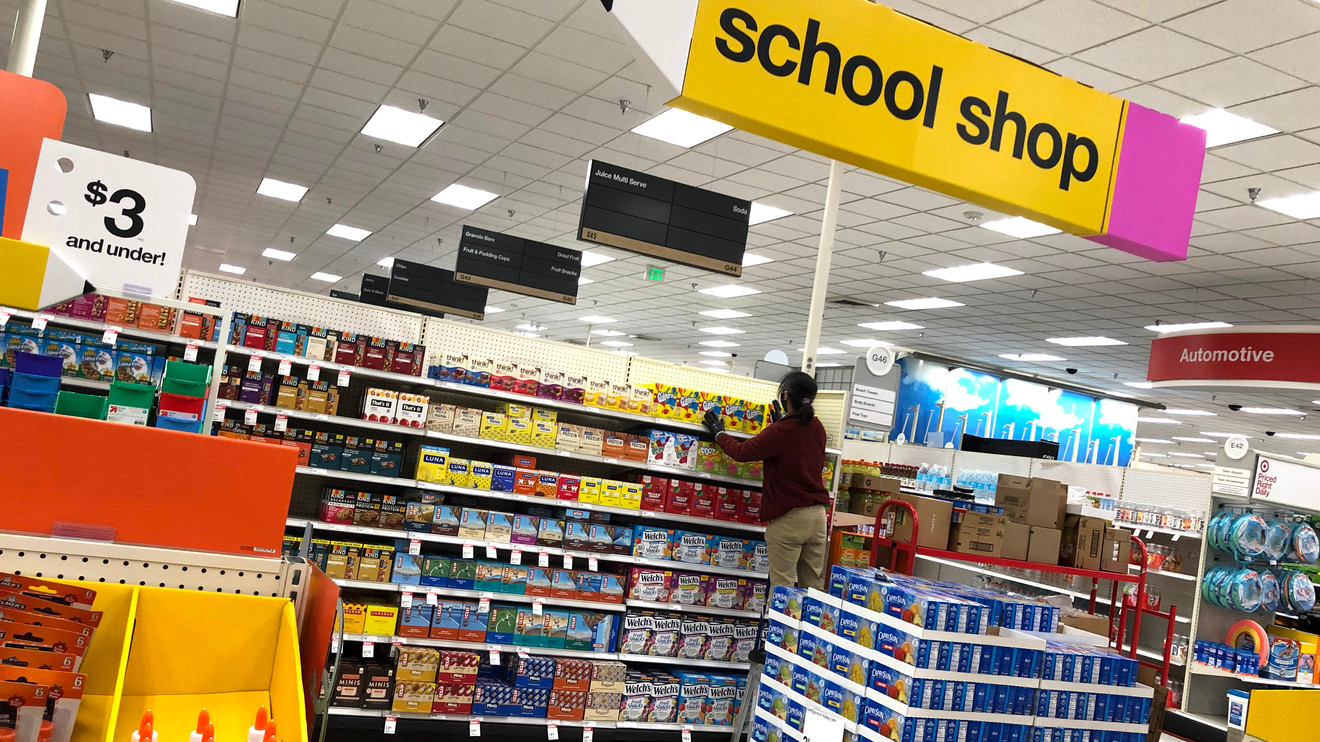
Back-to-school shopping can quietly drain a family's budget, but smart shopping expert Trae Bodge says a few simple steps can keep costs under control. According to WGME, Bodge's top tip is to start shopping without ever setting foot in a store — by taking stock of what you already have at home.
The pressure to spend is real. WUTV29 reported that 60% of parents say they regularly spend more than they planned, often because of requests from their children — many of them driven by social media trends.
Take Inventory Before Spending a Single Dollar
Bodge says the first move is a home audit. Go through closets and drawers before making any shopping list. According to KOMO News, parents should check clothing, backpacks, and school supplies to find what still works. This one step alone can cut the list — and the bill — significantly.
Hand-me-downs and secondhand items are also worth considering. ABC News 4 noted that Bodge specifically recommends secondhand shopping for items that don't need to be brand new. Gently used clothing and supplies can cost a fraction of retail prices.
Student Discounts and Education Pricing Often Go Unused
Many stores and brands offer student or education discounts — but parents rarely ask for them. Bodge urged families to search for these deals before paying full price. News 4 San Antonio reported that education pricing is available on everything from laptops to software, and it can mean hundreds of dollars in savings.
These discounts are often not advertised at checkout. Parents may need to ask directly or look online before heading to a store. A quick search before buying can make a big difference.
Buy Now, Pay Later Plans Can Quietly Pile Up
Installment payment plans — sometimes called "buy now, pay later" — are popular during back-to-school season. But Bodge warned families to be careful. Bakerfield Now reported that she advises parents to count those monthly payments alongside fixed bills like rent, mortgages, and utilities before signing up.
The risk is that small monthly payments add up fast. If a family already has tight monthly expenses, adding several installment plans can push them into debt. Bodge says to treat these payments like any other bill — and only take them on if the budget truly has room.
Social Media Is Driving Kids to Want More
Children are seeing more products than ever on social media — and asking their parents to buy them. Local 12 reported that 60% of surveyed parents said their kids' requests caused them to overspend. Trending items spotted on platforms like TikTok and Instagram are a major driver of those unplanned purchases.
Bodge encourages parents to set clear spending limits with their kids before shopping begins. Sticking to a list — and having an honest conversation about the budget — can help families avoid impulse buys and stay out of unnecessary debt. Idaho News noted that starting these conversations early makes the whole process smoother for everyone.
Sentiment
NeutralPublishers
22
Articles
21
Reach
22


