Sicilian Art Heist
Four Priceless Antonello da Messina Paintings Stolen from Sicilian Museum During Holiday Festival
Key Points
The stolen works are valued at 70–80 million euros, per art expert Alberto Fiz’s assessment.
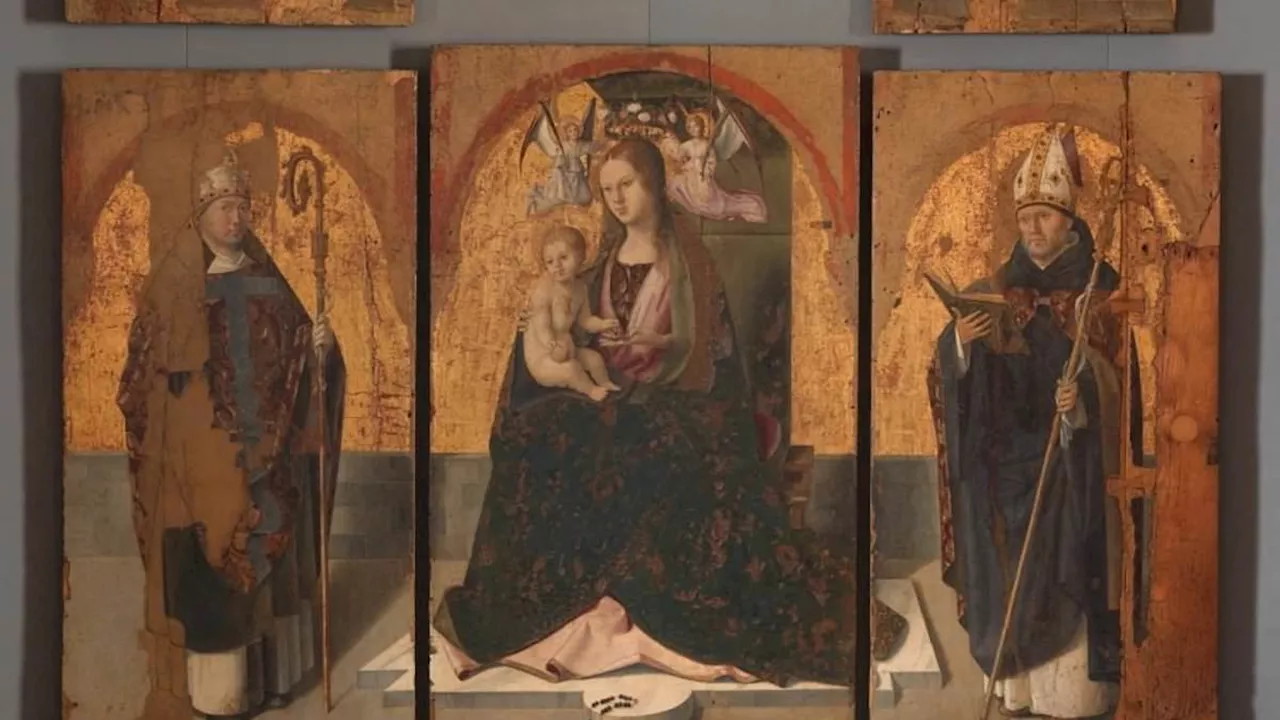
The San Gregorio Polyptych was originally six panels; MuMe currently has five surviving panels, three of which were stolen and two left behind.
The Pietà panel was taken from an armored display case, underscoring a breach of secured display protocols during the heist.
The theft occurred just before 10 pm on Ferragosto (the August 15 holiday), taking place as crowds gathered elsewhere in Messina.
Local culture official Enzo Caruso linked the break-in to Italy’s recent government purchase of another Antonello da Messina, suggesting that high-profile acquisitions may have incentivized thefts.
Four Renaissance masterpieces by Antonello da Messina were stolen from a museum in his hometown of Messina, Sicily, in a brazen late-night heist on August 15, Daily Mail reports. Thieves bypassed alarms and security systems at the Regional Interdisciplinary Museum of Messina — known as MuMe — and made off with works valued at 70 to 80 million euros, according to art expert Alberto Fiz.
The theft struck just before 10 pm on Ferragosto, Italy's major August holiday, as crowds celebrated elsewhere in the city. The stolen pieces include three panels from the San Gregorio Polyptych and a double-sided Pietà panel — the latter ripped from an armored display case, Head Topics reports.
What Was Stolen and Why It Matters
The San Gregorio Polyptych was originally six panels. MuMe held five of those surviving panels. Thieves took three and left two behind, Daily Mail reports. The fourth stolen work is a Pietà panel — painted on both sides — which had been locked inside an armored case. Thieves broke through it anyway.
Antonello da Messina is one of the most important figures in Italian Renaissance art. He is credited with changing how painters in Italy used oil paint, a technique he helped bring from northern Europe. These works are among the very few by da Messina still held in his hometown. Officials described the loss as a blow to the city's cultural identity.
Thieves Exploited Ferragosto Holiday Crowds
The heist happened on Ferragosto, a national holiday tied to religious celebrations. Large crowds filled Messina's streets and piazzas that evening. Investigators believe thieves used the festive chaos as cover to enter and exit the museum undetected, Daily Mail notes. The museum stayed closed the following Sunday while authorities gathered evidence.
It remains unclear exactly how the thieves got past the museum's alarm system. Police launched an investigation immediately. Officials have not yet said whether any suspects have been identified. Authorities are now working to trace the stolen panels before they can leave the country or be sold on the black market.
Officials Warn High-Profile Art Deals May Invite Theft
Local culture official Enzo Caruso drew a direct link between the heist and recent news coverage of Antonello da Messina's work. The Italian government recently purchased another painting by da Messina at a high-profile price. Caruso suggested that major acquisitions like that one raise the artist's public profile — and may encourage thieves to target his remaining works, This Is Money reported.
Cultural officials called the theft a "major loss" not just for Messina but for all of Italy. The stolen works form a core part of MuMe's collection and draw visitors to the city each year. Calls for their swift recovery have come from across Italy's art and government communities.
Italy's Ongoing Struggle to Protect Priceless Heritage
Italy holds more UNESCO World Heritage Sites than any other country. It is also one of the world's top targets for art theft. The country has a dedicated Carabinieri unit — a special police force — focused solely on stolen cultural property. That unit is now involved in the Messina investigation, Daily Mail reports.
The Messina theft has reignited debate about how Italy safeguards its most vulnerable art. Some museums outside major cities lack the funding for modern security systems. MuMe's armored case was breached, showing that even secured displays can fail. Experts say the incident is a warning for other regional museums holding irreplaceable works.
Sentiment
Mostly NegativePublishers
15
Articles
169
Reach
184


