Vozinha's Mollusk Tribute
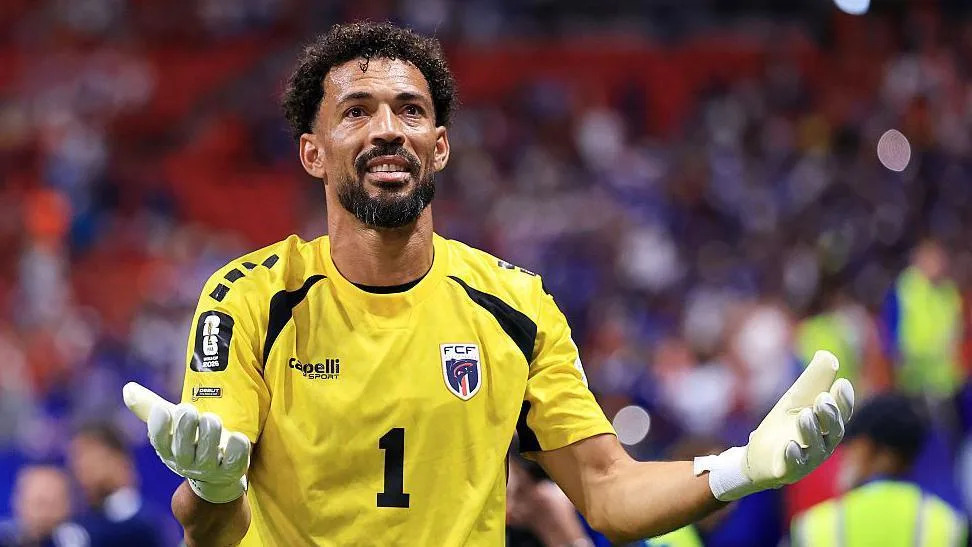
Cape Verde Goalkeeper Vozinha Honored with New Sea Snail Species After World Cup Heroics
Anonymous
Key Points
1
Aldisa vozinha (also reported as Aldisa vozinhai) is a tiny red sea slug about four millimetres long; it was discovered in the Caribbean near Havana, Cuba and Guadeloupe and described in Jesús Ortea's Historias de la Bioadversidad 3.
2
The naming is a tribute to Vozinha's World Cup heroics, with the mollusc’s red color described as a reminder of his feat, including his seven saves against Spain in Cape Verde’s 0-0 opener.
3
Jesús Ortea is a professor emeritus at the University of Oviedo who has a habit of naming newly discovered species after footballers; he has previously named a species after Keylor Navas and was awarded the Medal of Merit in Cape Verde in 2023 for his marine biodiversity work.
4
Vozinha became the oldest player to appear in a nation's debut World Cup match, at age 40 years and 12 days, highlighting the longevity and impact of his performance for Cape Verde.
5
Vozinha’s global profile surged on social media during the tournament, with his Instagram followers swelling to about 28.5 million by the end of Cape Verde’s campaign, illustrating the whirlwind fame sparked by his performances.
A Spanish biologist has named a newly discovered sea slug after Cape Verde goalkeeper Vozinha, honoring the 40-year-old's stunning performances at the 2026 World Cup. The tiny red mollusk, called Aldisa vozinha, is about four millimeters long and was found in Caribbean waters near Havana, Cuba and Guadeloupe, according to Head Topics.
Vozinha became a global sensation after making seven saves in Cape Verde's goalless opener against Spain — a result that helped the island nation earn its first-ever World Cup point. Cape Verde went on to reach the knockout stage before falling 2-3 to Argentina, with Vozinha playing in all four matches.
A Tiny Red Slug Named for a Giant Performance
Biologist Jesús Ortea spotted the small red sea slug in the Caribbean and immediately thought of Vozinha. He described the species in his publication Historias de la Bioadversidad 3. Ortea chose the red color of the mollusk as a nod to Vozinha's heroics — a fitting tribute, he said, to the goalkeeper's unforgettable World Cup run, according to Yahoo News.
Ortea is a professor emeritus at the University of Oviedo. He has a well-known habit of naming newly found species after footballers. He previously named a species after Costa Rica goalkeeper Keylor Navas. In 2023, Cape Verde awarded Ortea its Medal of Merit for his marine biodiversity work in the region, AOL reported.
Cape Verde's Historic World Cup Debut Stuns Spain
Cape Verde arrived at the 2026 World Cup as first-time participants. Their opening match against Spain ended 0-0, a result few predicted. Vozinha made seven saves that night, keeping one of the world's top teams off the scoreboard. He also became the oldest player to appear in a nation's debut World Cup match, at age 40 years and 12 days, according to Head Topics UK.
Cape Verde did not stop there. They drew with both Uruguay and Saudi Arabia, collecting enough points to advance to the knockout stage. A 2-3 defeat to Argentina ended their run. But the team's debut had already made history, and Vozinha stood at the center of it all.
From 50,000 Followers to 28 Million Overnight
Before the tournament, Vozinha was largely unknown outside Cape Verde. His Instagram account had roughly 50,000 followers. By the time Cape Verde's campaign ended, that number had exploded to about 28.5 million. His seven saves against Spain spread across social media and turned him into one of the tournament's biggest stars, according to Yahoo News.
The leap from regional goalkeeper to global icon happened in the span of a few weeks. Few World Cup moments drive that kind of rapid fame. Vozinha's story — a 40-year-old keeper helping a tiny island nation reach the knockouts on debut — captured the imagination of fans worldwide.
Science Keeps Honoring Football's Greatest Stories
Naming species after athletes is unusual but not new for Ortea. His tribute to Keylor Navas set a precedent. Now Aldisa vozinha joins a small but growing list of animals named for goalkeepers who made the world pay attention. It is a quirky but lasting way to mark a moment in sports history, according to Head Topics.
The four-millimeter slug will carry Vozinha's name in scientific records long after the World Cup headlines fade. For a goalkeeper who spent decades in relative obscurity, that is a remarkable kind of immortality — written not in trophy cases, but in the language of marine biology.
Sentiment
Mostly PositiveNEGATIVENEUTRALPOSITIVE
Publishers
11
Articles
92
Reach
103
A
AnonymousAuthor


