Stellantis Q2 Boom
Stellantis Q2 Global Shipments Surge 10% Driven by Strong North American Demand and Refreshed Models
Anonymous
Key Points
1
Leapmotor deliveries jumped to 33,000 units in Q2, up from 8,000 a year earlier, driven by the T03 city car and the B10 SUV.
2
In Enlarged Europe, BEVs led momentum via the Smart Car platform, delivering a 51% year-over-year increase (+41,000 units).
3
North America shipments rose 38% to 445,000, supported by refreshed Ram and Jeep models, with roughly 122,000 more vehicles year over year.
4
MEA deliveries declined about 3% overall, with Gulf down around 50% and Turkey weakening, while Brazil rose about 21,000 units and Argentina saw a notable decline; Asia-Pacific remained modest at about 16,000.
5
Investors will continue to watch how margins fare as Stellantis manages vehicle mix, incentives, raw-material costs and capital spending to fund electrification and product-refresh cycles.
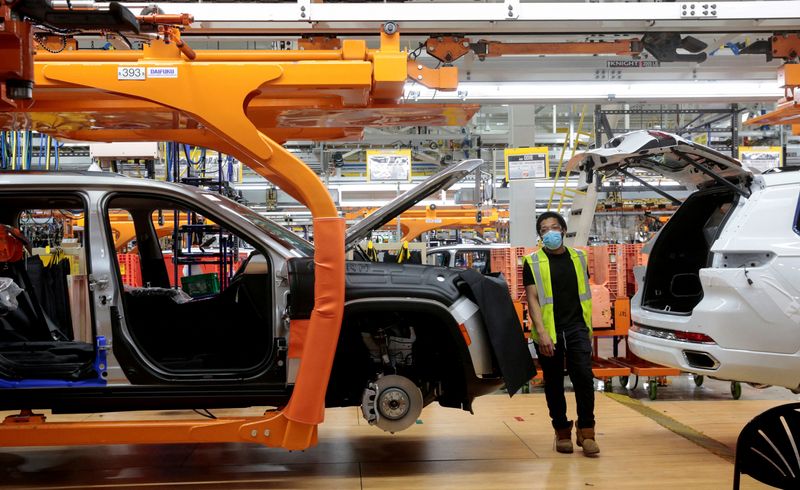
Stellantis reported estimated global vehicle shipments of about 1.6 million units for the second quarter of 2026, a 10% jump from a year earlier, according to Stellantis. North America led the way, with shipments surging 38% to 445,000 vehicles, fueled by new Ram and Jeep models rolling off assembly lines.
The results mark a meaningful rebound for the automaker, which has been pushing hard on product refreshes and electrification. But investors are watching closely to see whether rising volumes translate into stronger profits — or get eaten up by incentives and costs, Market Screener noted.
North America Surges 38% on Ram and Jeep Launches
North America delivered the biggest gain of any region, adding roughly 122,000 vehicles compared to Q2 2025. The jump was driven by refreshed versions of the Ram pickup and Jeep SUV lineup. Stellantis also timed production to get vehicles out the door ahead of potential market disruptions, according to Stellantis.
North America is Stellantis' most important market, and the strong numbers there carried the global total, 95KQDS reported. New model launches gave dealers fresh inventory to sell. That said, how much of the volume was pulled forward — meaning sold early to avoid headwinds — will matter for the second half of the year.
Europe's BEV Push Lifts Shipments by 5%
In what Stellantis calls Enlarged Europe, shipments rose about 5% year over year. Battery electric vehicles, or BEVs, did the heavy lifting. Deliveries on the Smart Car platform jumped 51% year over year, adding roughly 41,000 units, according to Stellantis.
The Leapmotor partnership also helped. Leapmotor deliveries hit 33,000 units in Q2 2026, up sharply from just 8,000 a year earlier. The T03 city car and B10 SUV drove that growth. The gains in Europe helped offset weakness in some traditional segments and showed that Stellantis' electrification bet is starting to pay off in volume terms.
Middle East Conflicts Drag Down MEA Region
Not every region shared in the growth. The Middle East and Africa, or MEA, region fell about 3% overall. The Gulf sub-region was hit hardest, dropping around 50% as regional conflicts squeezed demand. Turkey also weakened, Stellantis reported.
Latin America was a mixed bag. Brazil added about 21,000 units, a bright spot in the region. Argentina, by contrast, saw a notable decline. Asia-Pacific remained small, contributing just around 16,000 units for the quarter. These pockets of weakness limited how high the global total could climb.
Margins and Incentives Remain the Big Unknown
Shipping more cars is one thing. Making money on them is another. Investors want to know how Stellantis' margins are holding up as it leans on incentives to move vehicles, Morningstar noted. Raw-material costs and heavy capital spending on electrification add more pressure.
The company's product-refresh cycle is clearly working in volume terms. But the mix of vehicles sold — whether buyers are choosing high-margin trucks or lower-margin cars — will shape profit outcomes. Froggy Web noted that balancing price, cost and volume is the central challenge Stellantis faces as it heads into the second half of 2026.
Sentiment
Mostly PositiveNEGATIVENEUTRALPOSITIVE
Publishers
23
Articles
182
Reach
205
A
AnonymousAuthor


