Permanent DST Vote
House Passes Bill to Make Daylight Saving Time Permanent, Recalling Failed Past Attempt
Anonymous
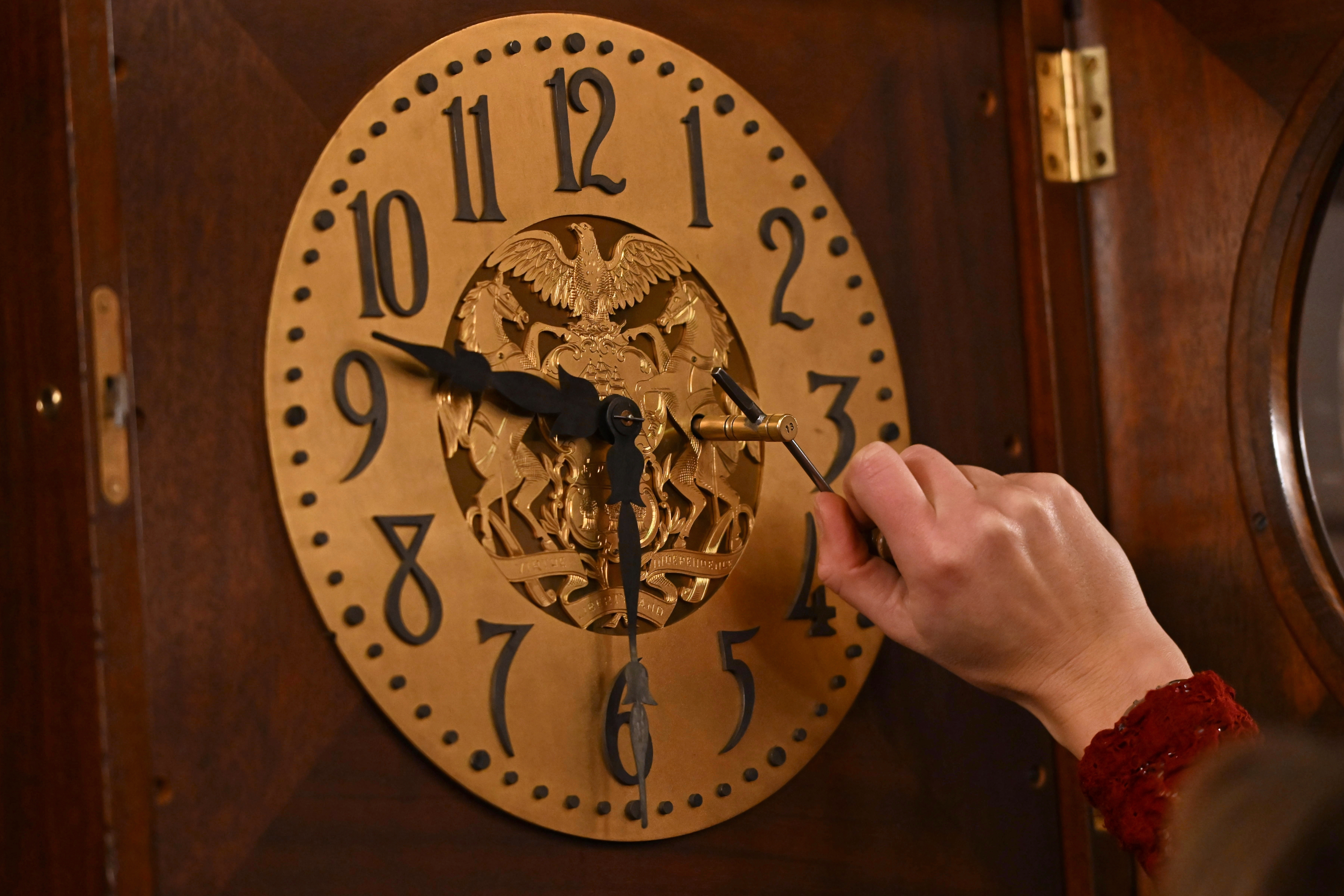
The House of Representatives has voted to make daylight saving time permanent, meaning Americans would never "fall back" again. KY3 But if this feels familiar, that's because the U.S. already tried it — and gave up in less than a year.
The bill now heads to the Senate before President Donald Trump can sign it into law. But a recent AP-NORC poll found only 12% of American adults actually want permanent daylight saving time. Most people prefer either permanent standard time or keeping the twice-yearly clock changes. WCAX
America Tried This Before and Quickly Reversed Course
In 1974, Congress passed a law making daylight saving time permanent. The goal was to save energy during the oil crisis. It worked on paper. But the public hated it. WABI Parents were especially upset. Their children had to wait for school buses in total darkness during winter mornings. The backlash was swift and fierce.
By October 1974 — less than a year after the law took effect — Congress reversed course and brought back standard time. Fox Carolina The lesson was clear: what sounds good in summer feels very different in a dark December morning.
Doctors Say Ending Clock Changes Could Save Lives
Not everyone opposes the shift. The American Medical Association and the American Academy of Sleep Medicine both support ending the twice-yearly time change. WDTV Their argument is simple: switching clocks disrupts sleep. Disrupted sleep leads to more car crashes, heart attacks, and workplace injuries in the days after each change.
Health experts say the real danger is the change itself — not which time we settle on permanently. KAIT8 Many doctors actually prefer permanent standard time, which better matches natural sunrise patterns. But they agree that stopping the clock shuffle would be a health win either way.
Public Opinion Is Split, but Few Want the Status Quo
The AP-NORC poll paints a complicated picture. Only 12% of adults want permanent daylight saving time — the exact option the House just passed. Atlanta News First About 31% want permanent standard time. And roughly 43% say they want to keep switching clocks twice a year, even though most people complain about it every spring and fall.
Supporters of the bill argue that more evening daylight boosts the economy. Retailers, sporting goods companies, and the golf industry have long lobbied for longer afternoon light. KWCH Critics counter that dark winter mornings would be dangerous, especially for children and early-morning commuters in northern states.
Senate Still Has to Act Before Any Change Becomes Law
The House vote is only the first step. The Senate must also pass the bill before it goes to President Trump to sign. WSMV The Senate has considered similar proposals before. In 2022, the Senate actually passed the Sunshine Protection Act unanimously — but the House never voted on it, and it died.
This time the House moved first. Whether the Senate follows is far from certain. 21Alive News If history is any guide, the politics of time changes are trickier than they look. What Congress agrees to in one season can feel very different when winter darkness arrives.
Sentiment
NeutralNEGATIVENEUTRALPOSITIVE
Publishers
10
Articles
10
Reach
10
A
AnonymousAuthor


