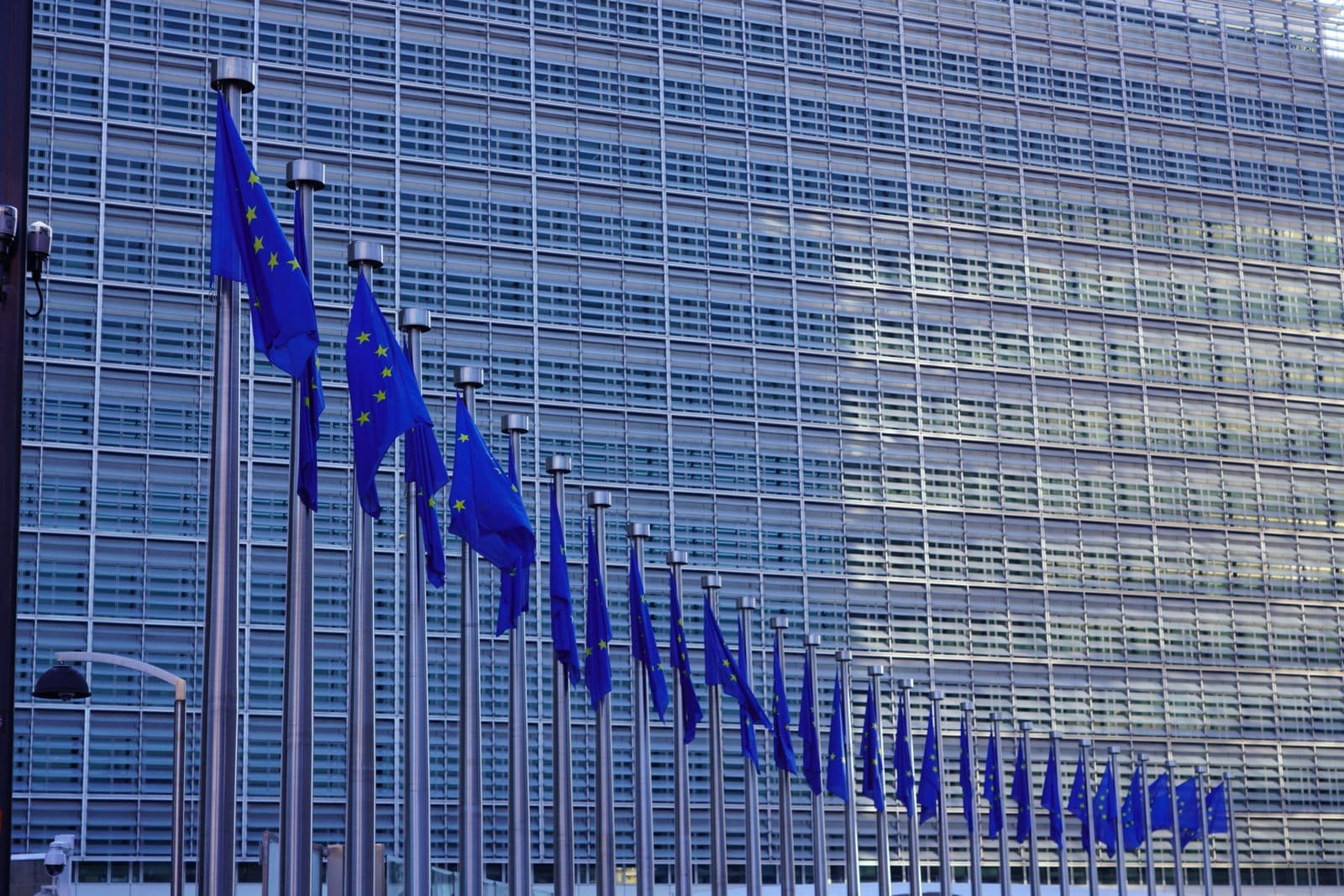
EU Sanctions on Russia
European Commission Proposes Banning Russian Ex-Combatants from EU Territory in New Sanctions
Anonymous

The European Commission proposed on June 9 its 21st package of sanctions against Russia, including a first-ever ban on entry into the EU for anyone who has served in the Russian armed forces since the start of the war. Commission President Ursula von der Leyen put it plainly: "Europe remains closed to anyone who took part in the invasion of Ukraine, as simple as that," EFE reported.
The package goes far beyond the travel ban. It targets Russia's shadow oil fleet, cuts off more Russian banks, and freezes the oil price cap at $44 per barrel. The EU says sanctions have already cost Moscow between $1.2 trillion and $1.5 trillion, El Periódico reported. The move comes as diplomatic efforts to end the war remain stalled.
A First-Ever Ban on Russian Ex-Soldiers Entering Europe
For the first time, the EU wants to bar all former Russian military personnel from entering the Schengen Area — the 27-country zone that allows free travel across Europe. The ban would apply to anyone who served in the Russian armed forces since the war began. EU foreign policy chief Kaja Kallas said it clearly: "Europe's door should not be open to Russia's (ex-)combatants," according to Levante EMV.
The proposal came after 11 Schengen countries pushed hard for tougher visa rules. On June 2, a group led by Sweden and Estonia sent a joint letter demanding urgent action. Sweden's migration minister said he wanted no more "shopping weekends" for Russians while Ukrainians die on the battlefield. Estonia had already banned 261 identified Russian ex-soldiers at the national level back in January 2026, Diario de Mallorca noted.
Nearly 478,000 Visas Issued to Russians in 2025 Despite War
Despite the EU suspending its visa facilitation deal with Russia back in September 2022, close to 478,000 Schengen visas were still issued to Russian citizens in 2025. Nordic and Baltic ministers called this situation "completely insane." France, Italy, Spain, and Greece issue the most visas to Russians and may face pressure to rethink that, according to La Opinión de Málaga.
Analysts warn that identifying ex-combatants will not be easy. Member states will need to verify military service records, likely using intelligence sharing and data from leaked Russian social media and payroll files. A leaked EU assessment also flagged that Russian ex-soldiers — including many of the 180,000 prisoners recruited to fight — could turn to organized crime or be recruited by Russian intelligence once in Europe, LNE reported.
Oil Cap Freeze, 30 More Shadow Ships, and a Crypto Warning
The 21st package also freezes the Russia oil price cap at $44 per barrel until January 2027. This prevents Moscow from gaining extra income during global oil market shocks. The EU adds 30 more vessels to its shadow fleet sanctions list, bringing the total to over 660 ships. For the first time, bunkering services — the fuel supply network that keeps the shadow fleet running — are also targeted, Diario Córdoba reported.
On the financial side, the package bans transactions with 31 more Russian banks and 20 third-country companies. It also introduces a serious new warning: a potential total ban on crypto-asset services in any country that helps Russia dodge sanctions. On trade, it bans exports of drone support equipment and strategic metals like nickel powders and high-performance alloys used in weapons, according to El Periódico de Aragón.
Russia's Economy Under Strain but Kremlin Stays Defiant
The EU says 20 rounds of sanctions have taken a real toll. Russia's inflation is close to 6% and interest rates sit at 14.5%. Energy revenues dropped 40% in early 2026, von der Leyen stated. The 21st package adds over 170 new listings, targeting 80-plus individuals and companies tied to Russia's military industry, La Opinión de Zamora reported.
Moscow has historically dismissed EU sanctions as "illegal" and "Russophobic." The Kremlin is expected to frame the new measures as proof that Western policy has failed, pointing to what it calls the resilience of the Russian economy. Retaliatory steps — including diplomatic expulsions — are likely to follow, according to El Correo Gallego.
Sentiment
NeutralNEGATIVENEUTRALPOSITIVE
Publishers
18
Articles
0
Reach
18
Topics
A
AnonymousAuthor