Earthquake Survival Factors
Survival After Earthquakes: Factors Influencing How Long Trapped Victims Can Last in Rubble
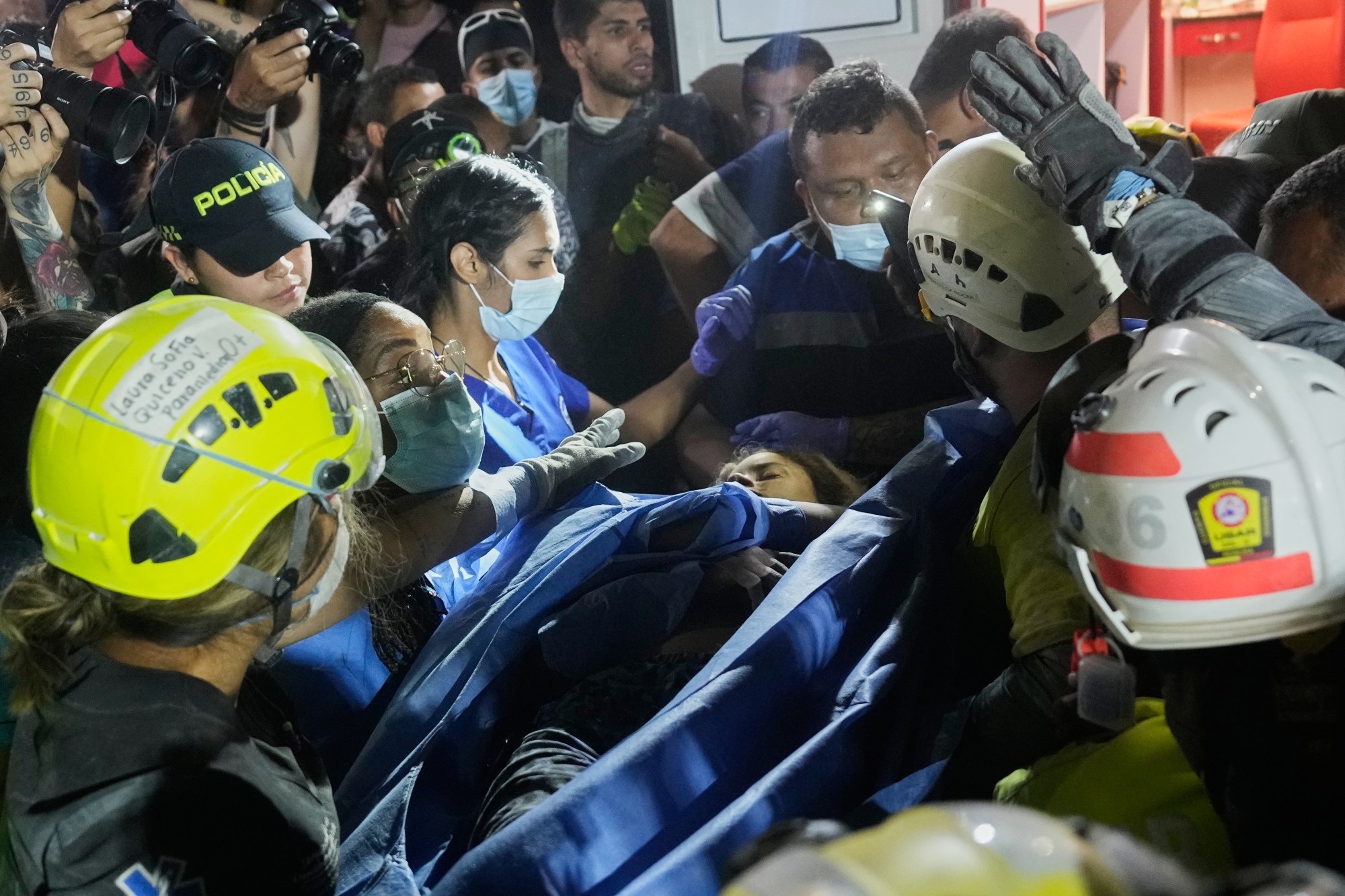
People trapped in earthquake rubble can survive for a week or more — but only if their injuries are not severe and conditions stay manageable. According to Press Democrat, survival depends heavily on access to air and water, the temperature outside, and whether fires or toxic chemicals are present.
Most rescues happen within the first 24 hours after a quake strikes. After that, the odds of finding someone alive drop sharply with each passing day, Twin Cities reports.
The 24-Hour Window That Decides Most Fates
The first day after an earthquake is the most critical for rescue teams. Survival rates fall fast after those initial 24 hours. Rescuers race to find victims before injuries, dehydration, or exposure take hold. Every hour that passes makes the job harder and the odds worse, according to Capital Gazette.
The best outcome for a trapped person is landing in what experts call a "debris-free pocket" — a small open space in the rubble that prevents crushing injuries. These pockets can give a person room to breathe and wait for help. Without one, serious physical trauma dramatically cuts survival time, NY Daily News notes.
Water and Air Matter More Than Food
A person can go weeks without food but only days without water. For someone buried under rubble, dehydration becomes a deadly threat within 72 hours. Access to even a small amount of water can extend survival significantly, according to Greeley Tribune.
Air supply is equally critical. Dust, collapsed walls, and tight spaces can cut off oxygen quickly. If a trapped person has a steady flow of air, their chances improve greatly. Smoke or hazardous chemicals from damaged gas lines or industrial sites can turn a survivable situation fatal in minutes, Daily Press reports.
Heat, Cold, and Weather Can Kill Before Rescuers Arrive
Extreme temperatures are a major threat to earthquake survivors. If the weather is very hot, a trapped person can die from heat stroke within hours. In cold climates, hypothermia sets in fast — especially if the person is injured or unable to move, News Herald reports.
Mild weather gives survivors the best chance of holding on long enough to be found. Rescuers in colder regions often work against a ticking clock shaped not just by injuries, but by the environment itself. The season and geography of the earthquake zone can be just as important as the collapse itself, according to Journal Advocate.
Location and Local Resources Shape Survival Odds
Where an earthquake strikes matters enormously for who lives and who doesn't. Wealthier countries tend to have faster, better-equipped rescue teams. Countries with fewer resources may take longer to reach victims, cutting into the narrow survival window, EP Trail notes.
Best practices for survival also differ by region. In some places, people are trained to "drop, cover, and hold on" during a quake to avoid injury in the first place. Staying calm, conserving energy, and making noise only when rescuers are nearby can all stretch survival time, according to Trentonian.
Sentiment
NeutralPublishers
11
Articles
11
Reach
11


