Contactless Sleep Coaching
The Hatch Sleep Clock Offers Contactless Monitoring and Personalized Sleep Coaching, No Wearables Needed
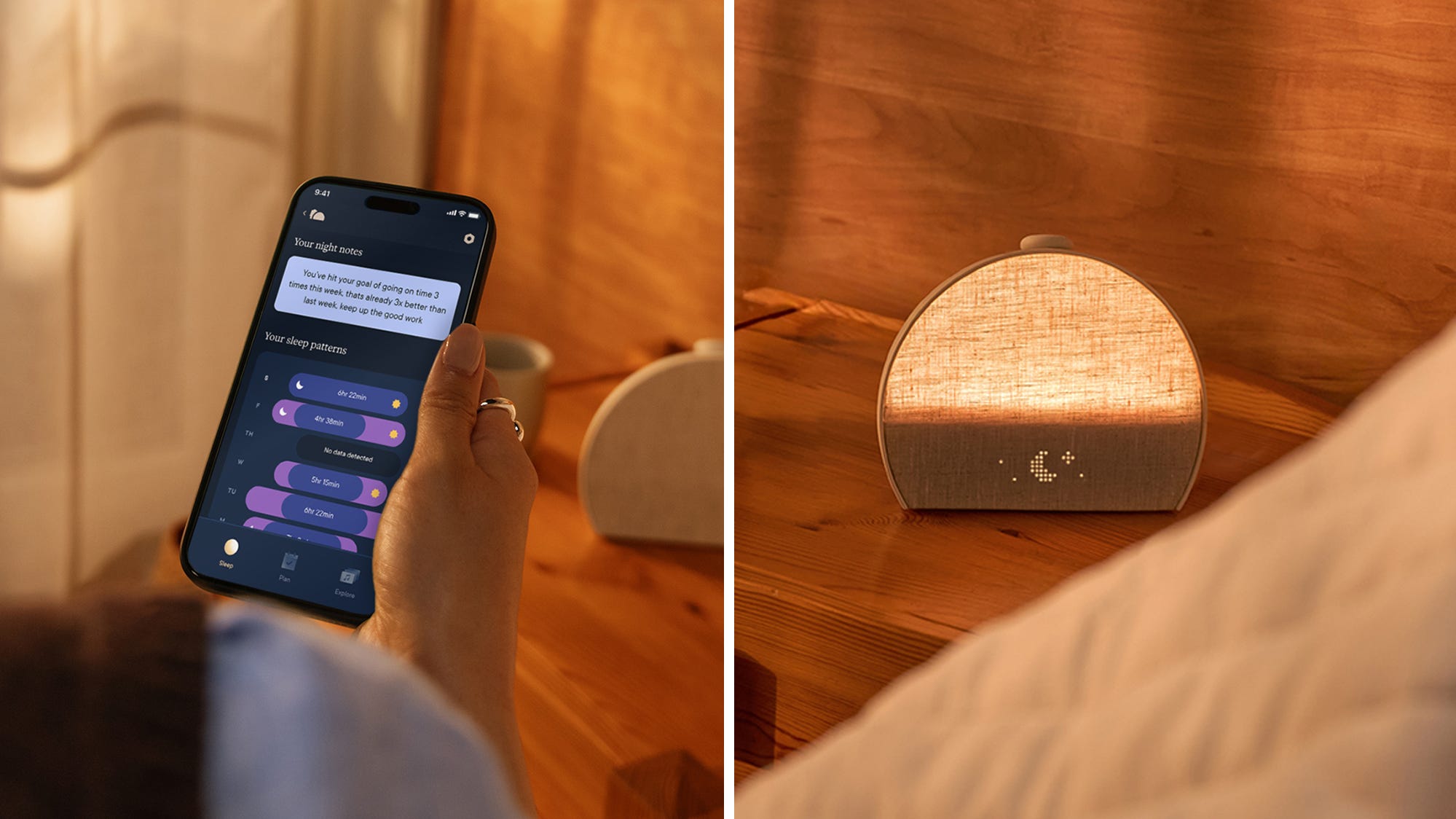
Hatch launched its Sleep Clock on August 4, 2026, at $249.99 — a bedside device that tracks sleep without any wearable. Instead of a watch or ring, it uses a low-power radar sensor to read chest movements and breathing patterns from your nightstand pjstar.com.
Unlike most sleep trackers, the Sleep Clock skips the nightly "sleep score" entirely. Hatch CEO Ann Crady Weiss put it plainly: "We didn't set out to build another sleep tracker. We set out to help people sleep better." The device focuses on building better bedtime habits — not grading last night's performance courier-journal.com.
No Wearable, No Score — Here's How It Works
The Sleep Clock sits on your nightstand and uses radar — the same low-power technology in the Google Nest Hub — to detect the tiny rise and fall of your chest as you breathe. Hatch says its contactless sensing has been validated at 97% accuracy against polysomnography, the gold-standard clinical sleep test tennessean.com.
The device also works as a sound machine, sunrise alarm, and sleep coach. A Hatch+ subscription — $5.99 per month or $59.99 per year — unlocks a library of more than 2,500 soundscapes, meditations, and sleep stories. The device ships with a free 30-night trial coloradoan.com.
The "Orthosomnia" Problem Hatch Is Trying to Fix
Sleep scores sound helpful. But doctors warn they can backfire. In 2017, clinical psychologist Dr. Kelly Glazer Baron coined the term "orthosomnia" — the anxiety that comes from obsessing over perfect sleep data. Chasing a better score can actually make sleep worse floridatoday.com.
Dr. Jessee Dietch, a licensed psychologist who has partnered with Hatch for eight years, helped shape the device around Cognitive Behavioral Therapy for Insomnia (CBT-I) — a clinical method focused on routines and habits. The idea: teach users to wind down, not just measure how poorly they slept lansingstatejournal.com.
Amazon's Bricked Rival Shows the Risks Ahead
Hatch is not the first company to try contactless bedside tracking. Amazon launched the Halo Rise in late 2022 with similar technology. On August 1, 2023, Amazon shut the entire Halo hardware line down — permanently disabling every device customers had already bought registerguard.com.
Hatch is currently selling exclusively through its own website, with plans to expand to Amazon and other major retailers in late 2026. That retail push will test whether a $250 alarm clock backed by a subscription model can hold its own against cheaper smart displays like Google's Nest Hub southbendtribune.com.
Who It's For — and Who Should Look Elsewhere
Wellness-focused reviewers have praised the Sleep Clock for shifting attention away from data and toward actual habits. If you find sleep scores stressful, or simply hate wearing a device to bed, the contactless model is a genuine alternative dnj.com.
But fitness-first users will hit a wall. The radar sensor cannot read heart rate variability, blood oxygen levels, or skin temperature. Those metrics matter for athletic recovery and spotting potential health issues like sleep apnea. For biohackers who want that depth of data, a wearable like the Oura Ring or Apple Watch is still the better fit cjonline.com.
Sentiment
NeutralPublishers
53
Articles
52
Reach
53


