Future of US Birthright Citizenship
House Speaker Johnson urges Congress to consider legislation on birthright citizenship
Anonymous
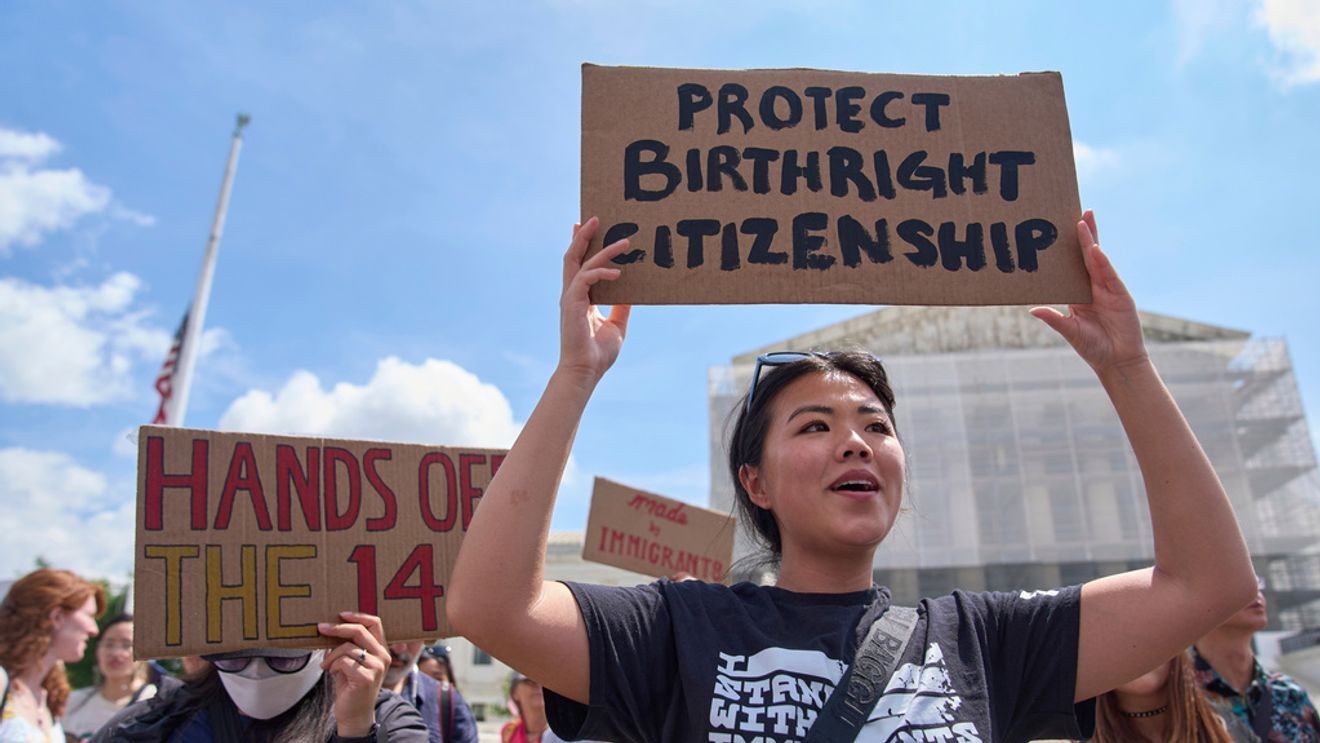
House Speaker Mike Johnson is calling on Congress to pass new laws limiting birthright citizenship, days after the Supreme Court allowed President Trump's executive order on the issue to partially take effect. Johnson argues the current system is being abused through what he calls "birthright tourism" — the practice of traveling to the US specifically to give birth and secure citizenship for a child. KOMO News reported the push comes as the debate over the 14th Amendment reaches a new level.
Rep. Andy Ogles, a Republican from Tennessee, has introduced legislation in the House to restrict automatic citizenship for children born in the US to parents who are in the country illegally or on temporary visas. The move signals that Republicans are ready to use Congress — not just executive orders — to reshape one of the country's oldest citizenship rules.
What the 14th Amendment Actually Says
The 14th Amendment, passed in 1868, says any person born on US soil is automatically a citizen. This rule has applied for over 150 years. It was originally created to guarantee citizenship to formerly enslaved people. Today, it means nearly every baby born in the United States is a citizen from birth — no matter where the parents are from.
Critics like Johnson say the amendment was never meant to cover children of people who are in the country illegally or temporarily. Supporters disagree strongly. They say the text is clear and changing it would require a new constitutional amendment — a very high legal bar that demands approval from two-thirds of Congress and three-fourths of states.
Supreme Court Lets Trump Order Move Forward
The Supreme Court recently ruled that Trump's executive order restricting birthright citizenship could take effect in some limited cases while legal challenges continue in lower courts. The order targets children born to parents who are undocumented or on temporary visas. It marked a major shift — no president had ever tried to limit birthright citizenship by executive order before.
Legal experts say the executive order alone may not survive full court review. That is partly why Johnson wants Congress to pass a law. A law passed by Congress would carry more weight than an executive order, though it would still likely face constitutional challenges in court.
Johnson Says Congress Must Close the 'Loophole'
Johnson described the current system as a loophole that foreign nationals exploit. "Birthright tourism" refers to people who travel to the US on tourist or other temporary visas, give birth, and return home with their child holding US citizenship. Johnson has not specified exact numbers, but immigration researchers estimate tens of thousands of births per year may fall into this category.
Rep. Ogles' bill would define who qualifies for birthright citizenship more narrowly. Under his proposal, at least one parent would need to be a US citizen or lawful permanent resident for the child to receive automatic citizenship. The bill's chances in the Senate remain unclear, where it would need 60 votes to overcome a filibuster.
Public Debate Splits Along Familiar Lines
The question of birthright citizenship divides Americans sharply. Supporters of the current rule say it reflects core American values — that the country is open to all who are born here. They also warn that limiting citizenship could create a class of stateless children who belong nowhere legally.
Opponents argue that automatic citizenship creates a powerful incentive for illegal immigration and that the US is one of the few developed nations with an unrestricted birthright citizenship policy. WACH reported that Johnson believes changing the law is both necessary and overdue, and that the Supreme Court's recent decision gives Congress a clear opening to act.
Sentiment
NeutralNEGATIVENEUTRALPOSITIVE
Publishers
6
Articles
5
Reach
6
A
AnonymousAuthor


