Influencers Revolutionize Sports Business
Influencers Redefine World Cup Engagement, Turning a Potential Threat into a Lucrative Business Venture
Anonymous
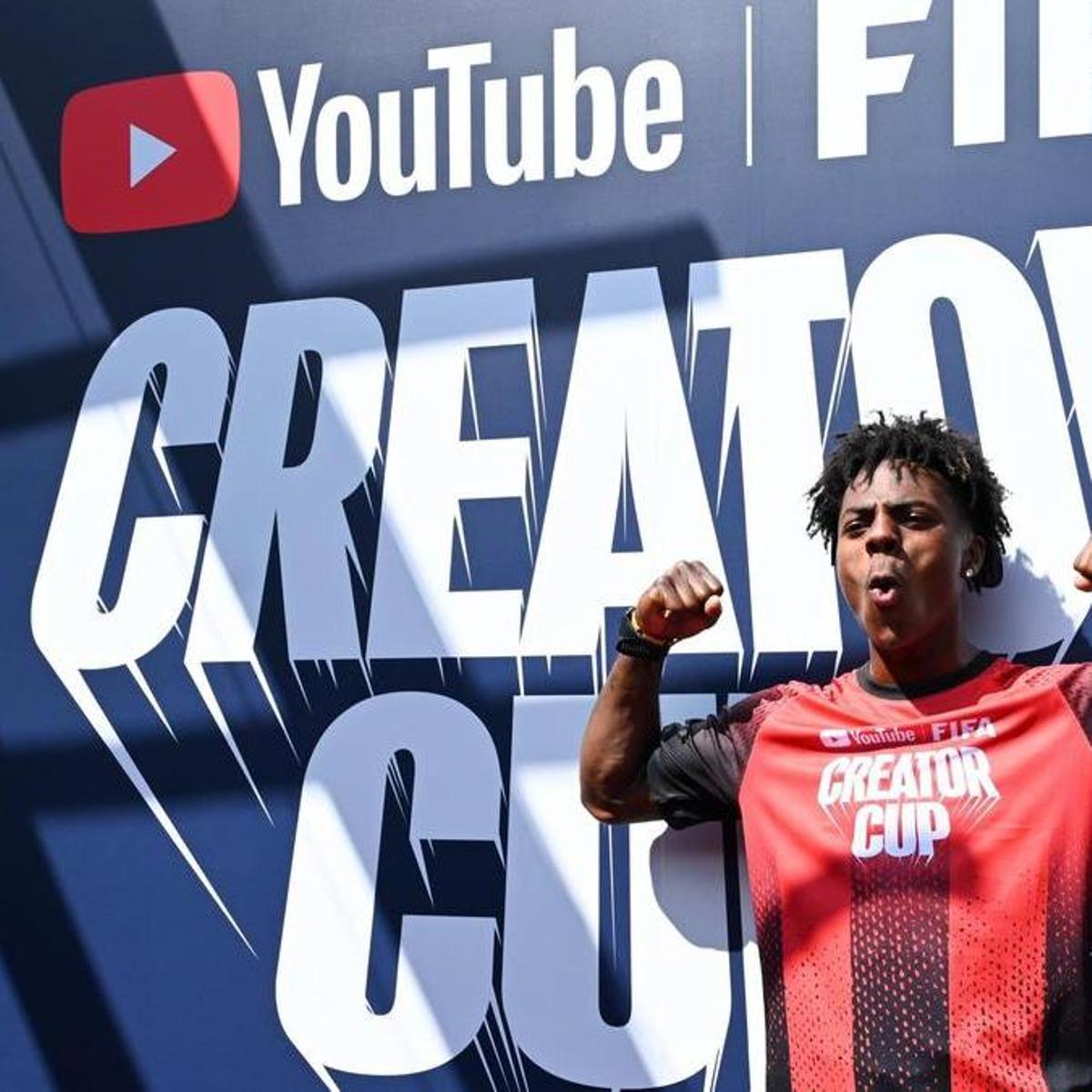
The 2026 World Cup has become the first major global tournament where influencers rival — and sometimes outperform — traditional broadcasters in reach and engagement. What once worried FIFA as a threat to its media rights has quietly become one of its most powerful revenue tools, according to El Periódico de Aragón.
From IShowSpeed's viral reels watched by tens of millions to Erling Haaland's behind-the-scenes vlogs, the last month has permanently shifted how fans consume live sport. Two previously unknown players — Vozinha and Payne — became global names not through TV highlights, but through short-form social video, Levante EMV reports.
How FIFA Turned Its Biggest Fear Into Cash
For years, FIFA executives worried that influencers would pirate or dilute their premium content. Instead, the opposite happened. The governing body began issuing official creator credentials, giving top influencers locker-room access and pitch-side positions. The result was billions of organic impressions that no ad budget could buy, according to El Correo Web.
Brands noticed fast. Sponsorship deals tied to influencer-led content at this World Cup are estimated to have grown significantly compared to Qatar 2022. FIFA now treats creator partnerships as a core media category — not a side channel, Información reports.
IShowSpeed and Haaland Lead the Creator Revolution
IShowSpeed — the American streamer with over 35 million YouTube subscribers — became one of the most-watched faces of the tournament. His match-day reaction reels pulled audiences that matched or topped some national TV broadcasts. His content mixed raw emotion with stadium chaos, a format that traditional sports coverage cannot replicate, says La Opinión de Murcia.
On the player side, Haaland's personal vlog gave fans an unfiltered view of life inside a World Cup squad. Short clips of training sessions, team meals, and pre-match rituals racked up millions of views per post. It blurred the line between athlete and content creator — a line that may never fully return, La Opinión de A Coruña notes.
Unknown Players Vozinha and Payne Become Overnight Stars
Perhaps the clearest sign of the new era: two players almost no one knew before the tournament — Vozinha and Payne — became viral sensations. Not because of match-winning goals on prime-time TV, but because short clips of their celebrations, personalities, and post-match moments spread across TikTok and Instagram, according to El Día.
Their shirt sales spiked within 48 hours of going viral. Agents reported a flood of commercial inquiries. The pattern shows that in 2026, a single well-timed video clip can do what years of league football used to take, La Opinión de Zamora reports.
What This Means for Sports Media Going Forward
Broadcasters who paid billions for exclusive rights now compete with creators who paid nothing. TV audiences for some group-stage matches ran lower than expected, while creator-led streams hit record numbers. The model of one camera, one commentator, one channel is breaking apart, according to El Periódico Mediterráneo.
Sports rights experts say the next rights cycle — covering the 2030 World Cup — will look very different. Deals will likely include mandatory creator access clauses. Platforms like YouTube, TikTok, and Instagram may bid directly for official packages. The old gatekeepers are not gone, but their grip is loosening fast, El Periódico de Extremadura concludes.
Sentiment
NeutralNEGATIVENEUTRALPOSITIVE
Publishers
10
Articles
0
Reach
10
A
AnonymousAuthor


