Pre-Coup Normalcy
Spain's Government Engaged in Routine Tasks Hours Before 1936 Coup
Anonymous
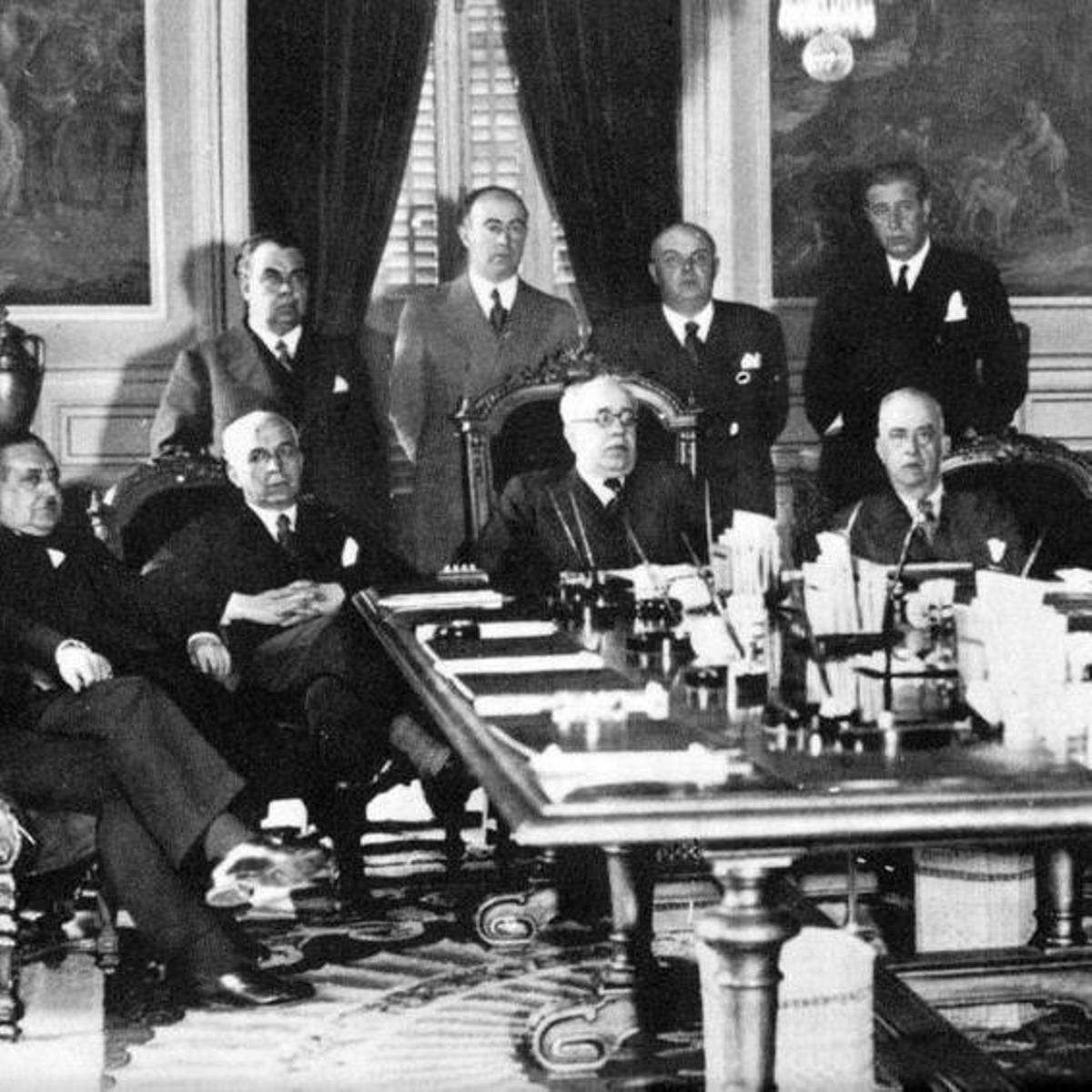
On July 17, 1936, the Spanish military launched the coup that would start the Civil War. But just 24 hours earlier, the government of Manuel Azaña showed no sign anything was coming. According to La Opinión de Murcia, the cabinet's last decisions included approving postage stamps for Manila, sending a delegate to a Prehistory congress in Oslo, and arranging food supplies for prison inmates.
The routine nature of those final measures has become a striking historical footnote. A government consumed by ordinary bureaucracy had no idea it was hours away from the bloodiest conflict in modern Spanish history.
Stamps, Science and Prisoner Meals: A Normal Day
The Spanish cabinet met on July 16, 1936 — its last full day of peacetime governance. La Opinión Coruña reports the session dealt with entirely mundane affairs. Ministers approved a new series of postage stamps destined for Manila, in what was then still a Spanish-linked territory. Nothing in the agenda hinted at conspiracy or crisis.
The government also approved funding to send a Spanish representative to an international Prehistory congress in Oslo. It then turned to a practical welfare matter: ensuring prisoners across Spain's jails had adequate food. These were the final acts of the Republic's executive before the coup began in Morocco the following morning, according to El Día.
The Coup Began in Africa, Not in Madrid
The military uprising started on July 17, 1936, in Spanish Morocco — not on the mainland. A group of generals, including Francisco Franco, launched a coordinated revolt against the elected Republican government. The plan was to take power within days. Instead, it triggered nearly three years of civil war that killed an estimated 500,000 people.
The rebels expected a quick victory. Spain's cities were divided. The military, the Catholic Church, and large landowners backed the uprising. Workers, Republicans, and regional autonomy movements backed the government. That split turned a coup into a war, according to Información.
Azaña's Government: Reform, Resistance and Blindness
Manuel Azaña had been a central figure in the Spanish Republic since 1931. His government pushed major reforms: land redistribution, limits on Church power, and regional autonomy for Catalonia. These changes made him popular with the left and deeply hated by conservatives and the military elite, according to El Correo Web.
Yet intelligence warnings about a possible coup had circulated for months. The government chose not to act on them. Some historians argue Azaña believed the army would not dare move against a legitimate democratic government. The stamp approvals and Oslo congress funding of July 16 suggest, at minimum, a cabinet that was not on a war footing.
Why This Historical Detail Still Matters Today
The contrast between the cabinet's last routine acts and what followed just hours later has made this story resonate nearly 90 years on. El Correo Gallego notes it illustrates how quickly democratic institutions can collapse. A government approving postage stamps one day was fighting for survival the next.
Spain only returned to democracy in 1977, four decades after that July coup. The Civil War remains a sensitive subject. Thousands of victims are still buried in unmarked graves. The image of ministers debating Manila stamps on the eve of catastrophe has become a symbol of how ordinary life can sit right next to the edge of disaster, according to La Opinión de Murcia.
Sentiment
NeutralNEGATIVENEUTRALPOSITIVE
Publishers
8
Articles
0
Reach
8
A
AnonymousAuthor


