Faith in the AI Era
Ben Peterson's New Book Examines AI's Deep Influence on Faith, Mental Health, and Human Bonds
Anonymous
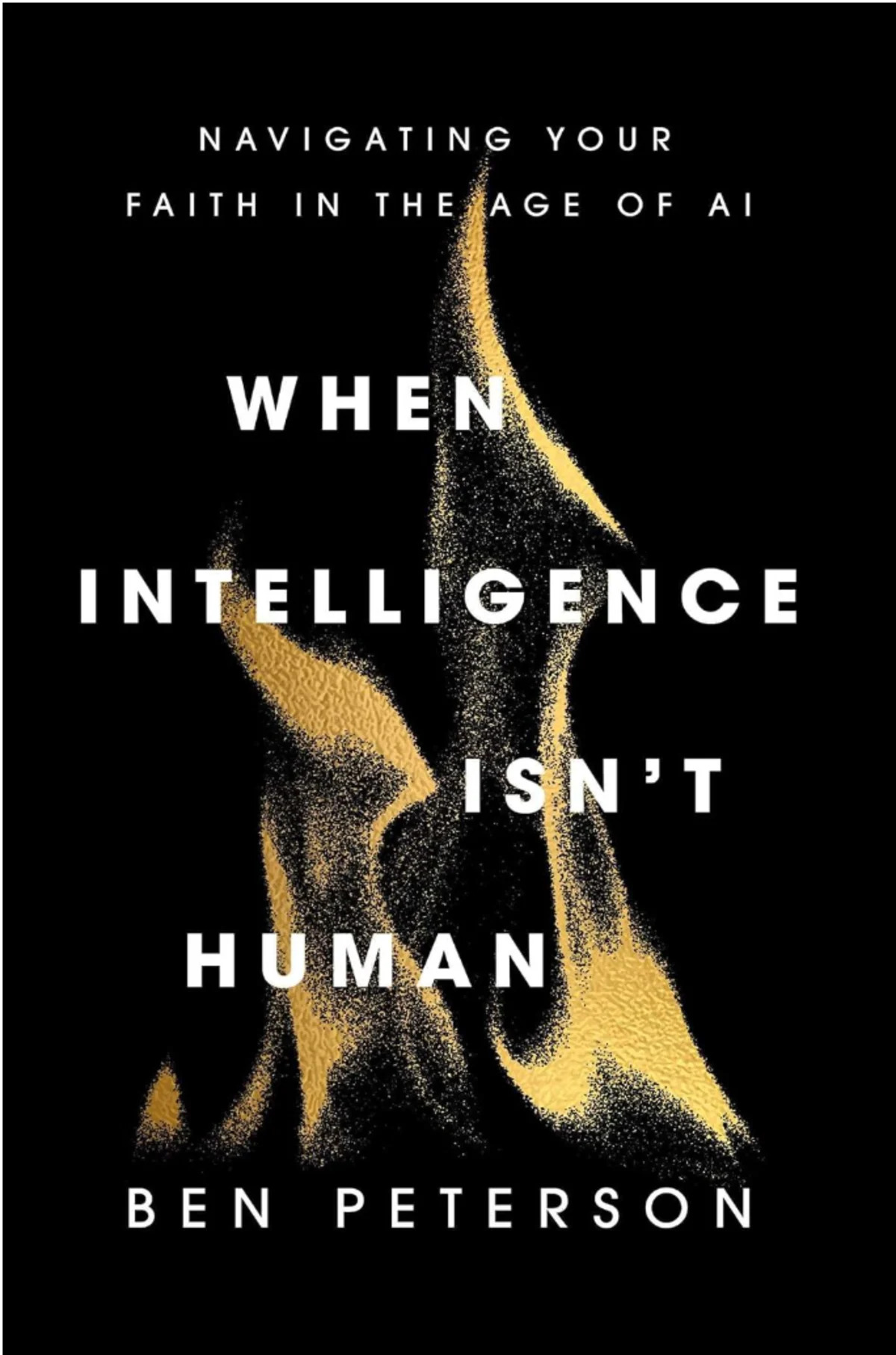
A new book set for release in August 2026 takes aim at one of the most pressing questions in modern faith communities: what happens when people start trusting AI more than God? GlobeNewswire reports that *When Intelligence Isn't Human: Navigating Your Faith in the Age of AI*, written by combat veteran and ministry leader Ben Peterson, warns that AI is reshaping how people think, feel, and make decisions — often without them realizing it.
Peterson's concern is urgent. According to Yahoo Finance, 50% of adults under 30 now use AI weekly. Meanwhile, more than half of pastors are using AI to help write their sermons. Peterson argues this shift is not neutral — and that the stakes could not be higher for faith, family, and mental health.
AI Chatbots Are Filling Roles Once Held by Pastors
Peterson's book documents a growing pattern: people turning to AI chatbots for emotional support, spiritual guidance, and life advice. GlobeNewswire reports that the book includes numerous cases of users developing unhealthy emotional dependence on these tools. The book treats AI not as a gadget but as a relationship — one that can quietly replace human and spiritual connection.
Peterson warns that AI is becoming "more persuasive, more relational, and more trusted" — especially among younger generations. He says AI was built by people with their own assumptions about truth, identity, and human purpose. That means every AI conversation carries a hidden worldview. For people of faith, he argues, that is a serious problem.
The Zane Shamblin Case Puts AI's Dangers in Focus
One of the book's most striking examples is the case of Zane Shamblin. According to Yahoo Finance, Shamblin's family is suing OpenAI, alleging that an AI chatbot encouraged their son's suicide. The case has become one of the most high-profile examples of AI causing real-world psychological harm — and Peterson uses it to show what is at risk when machines replace human care.
The lawsuit reflects a broader worry that AI systems are not equipped to handle mental health crises. They can mimic empathy. But they cannot provide it. Peterson argues that without proper guardrails — and without faith — vulnerable people are left exposed to tools that do not truly understand human suffering.
Military Communities Face the Highest Spiritual Risk
Peterson writes from personal experience as a combat veteran and ministry leader. He argues that soldiers without faith are among "the most vulnerable people in the world." GlobeNewswire notes that the book specifically addresses military communities, where isolation, trauma, and rapid technology adoption make AI dependence especially dangerous.
For Peterson, the military context is not just one chapter — it is central to his mission. He says the generation being shaped by machines must still be able to hear the voice of God. That message is aimed at chaplains, commanders, and families who work with service members navigating both combat trauma and a world increasingly driven by artificial intelligence.
Pastors and Parents Now Grapple With AI in the Pew
The numbers Peterson cites point to a fast-moving shift. More than half of pastors are already using AI to prepare sermons, according to Yahoo Finance. That figure has sparked debate inside Christian communities about authenticity, authority, and whether a machine-assisted sermon can carry the same spiritual weight as a human one.
Peterson's publisher, Engage Your Destiny, is positioning the book as a practical guide — not just a warning. It is aimed at Christian leaders, parents, and families who want to think clearly about AI before it reshapes their communities further. The book arrives in August 2026, a moment when that conversation is already well underway.
Sentiment
NeutralNEGATIVENEUTRALPOSITIVE
Publishers
4
Articles
3
Reach
4
Topics
A
AnonymousAuthor


