Infertility Breakthrough
New Study Marks First Step in Lab-Grown Human Sperm Formation for Infertility Solutions
Anonymous
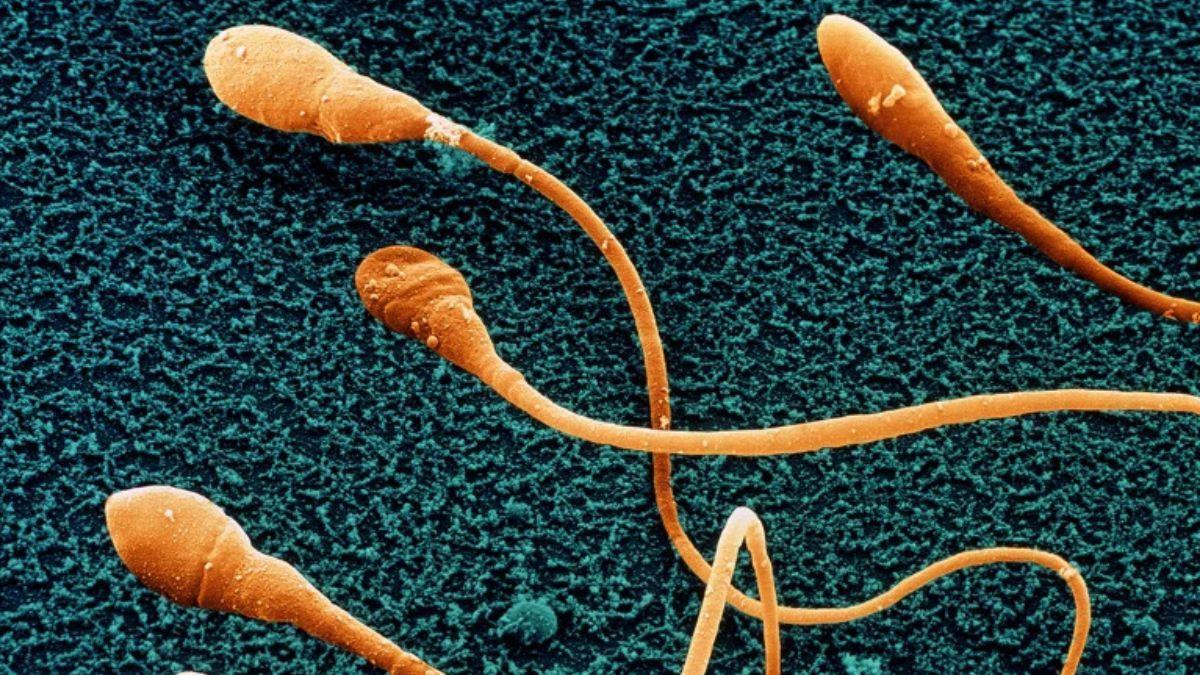
Scientists have taken a significant step toward growing human sperm in a laboratory. A new study has managed to reproduce key stages of sperm formation outside the human body — a breakthrough that could open new doors for men affected by severe infertility, according to El Periódico.
Millions of couples worldwide struggle to conceive due to male infertility. In many cases, the man produces no sperm at all. This research brings hope that lab-grown sperm could one day offer a solution where none currently exists, Levante EMV reported.
How Scientists Grew Sperm Cells in a Lab
The study focused on spermatogenesis — the process by which the body makes sperm. This process normally happens inside the testicles over about 74 days. Researchers managed to replicate critical phases of this process in a controlled lab environment, according to Información.
The team used testicular cells and created conditions that mimic the natural environment of the testicle. They successfully guided early-stage cells through several key steps of development. While a fully mature sperm cell was not yet produced, reaching these intermediate stages is a major scientific milestone, La Opinión de Murcia reported.
Who Could Benefit From This Research
The most immediate hope is for men with azoospermia — a condition where no sperm appear in semen. It affects roughly 1% of all men and up to 10–15% of infertile men. For these patients, current treatments offer very limited options, according to Diario de Mallorca.
Young cancer patients are another key group. Boys who undergo chemotherapy before puberty often lose the ability to produce sperm permanently. If lab-grown sperm becomes viable, their banked testicular tissue could one day be used to help them have biological children, La Provincia noted.
Long Road Ahead Before Clinical Use
Experts caution that this research is still at a very early stage. The study is a proof of concept — it shows the approach can work, but it does not yet produce sperm capable of fertilizing an egg. Years of further research will be needed, according to El Correo Gallego.
Safety is a major concern. Any lab-grown reproductive cells must be proven safe before use in humans. Regulatory approval, ethical review, and clinical trials all stand between this discovery and any real-world fertility treatment, Diario Córdoba reported.
A Growing Field With Momentum Behind It
This study joins a growing body of research around lab-grown reproductive cells. Scientists around the world are racing to crack the code of human spermatogenesis. Progress in mouse models has been promising, and researchers are now getting closer to replicating those results in humans, El Periódico de Aragón noted.
The field could also reshape how scientists understand male fertility problems at a deeper level. By watching sperm development unfold in the lab, researchers can study exactly where and why the process fails — knowledge that could lead to new drugs and therapies well before lab-grown sperm ever becomes a clinical tool, according to La Nueva España.
Sentiment
NeutralNEGATIVENEUTRALPOSITIVE
Publishers
15
Articles
0
Reach
15
A
AnonymousAuthor


