Fuel Tax Extension Criticism
Canadian Energy Marketers Criticize Government Decision to Extend Fuel Tax Pause
Anonymous
Trending on XOngoing Middle East Tensions and Oil Market Impact
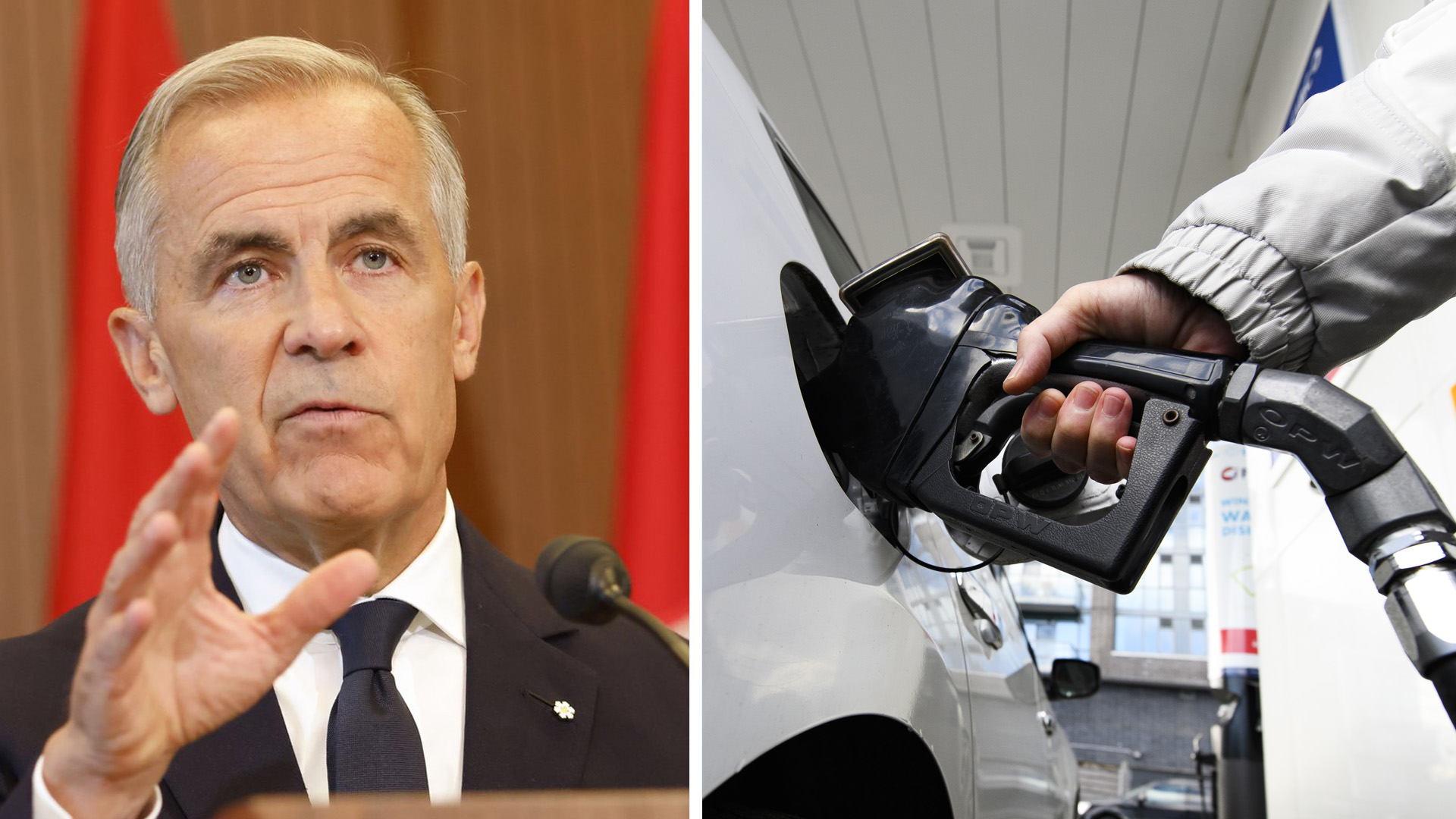
Canada's government extended its pause on federal excise taxes for gasoline and diesel through at least 2026, citing affordability concerns amid Middle East turmoil and US tensions. But the Canadian Energy Marketers Association (CEMA) says the move creates an unfair burden for fuel wholesalers and retailers across the country, The Whig.
The core problem: fuel excise tax is charged upstream in the supply chain. This means retailers and wholesalers already bought large quantities of gasoline and diesel with the tax embedded in the price before the suspension took effect. CEMA is now demanding the government create a transition mechanism to handle this federally taxed inventory, Montreal Gazette reported.
The Mechanics of How Fuel Tax Sits in the Supply Chain,
Federal excise tax on fuel doesn't get paid by the driver at the pump. Instead, it's collected upstream—usually from fuel suppliers and refiners—then baked into the wholesale price as product moves down the supply chain to retailers and finally consumers. The Whig explains that wholesalers and retailers absorbed large fuel stockpiles before the tax pause kicked in. Those gallons already carry the tax cost. When the pause extends to 2026, these businesses now sit on inventory they can't easily offload without taking a loss.
CEMA argues this creates a hidden penalty. Retailers and wholesalers are holding inventory purchased at the higher pre-pause price. Competitors who buy fuel during the pause period pay less. This cost gap isn't refunded or offset, leaving fuel distributors with significantly reduced margins across the supply chain, Toronto Sun noted.
Why the Government Extended the Tax Pause
The government framed the extension as an affordability measure for Canadian families. Geopolitical instability in the Middle East and mounting trade pressures from the United States pushed officials to keep fuel costs lower for consumers. Leader-Post reported that the decision reflects ongoing concerns about household budgets and energy costs during uncertain times.
But CEMA says this consumer-focused rationale ignores the cost transfer to the fuel industry itself. By extending the pause without a transition plan, the government effectively shifts the financial burden from drivers onto wholesalers and retailers who can't pass losses back upstream, according to The Sudbury Star.
CEMA's Call for a Transition Mechanism
CEMA is demanding immediate government action to create a transition mechanism for federally taxed fuel inventory. This would allow retailers and wholesalers to recover costs from fuel purchased before the pause extension took effect. Recorder states that without such a mechanism, many fuel marketers face significant financial pressure and potential losses.
The association argues a transition plan is the only fair way to balance consumer affordability with industry viability. Without it, smaller fuel retailers could struggle to compete against larger chains that have more capital to absorb losses. Owen Sound Sun Times noted that affected businesses need clarity and relief soon, before the extended pause period stretches through 2026.
Sentiment
NeutralNEGATIVENEUTRALPOSITIVE
Publishers
20
Articles
19
Reach
20
A
AnonymousAuthor


