Social Media Age Verification
Canadian government plans to block children from social media, raising questions about age verification methods.
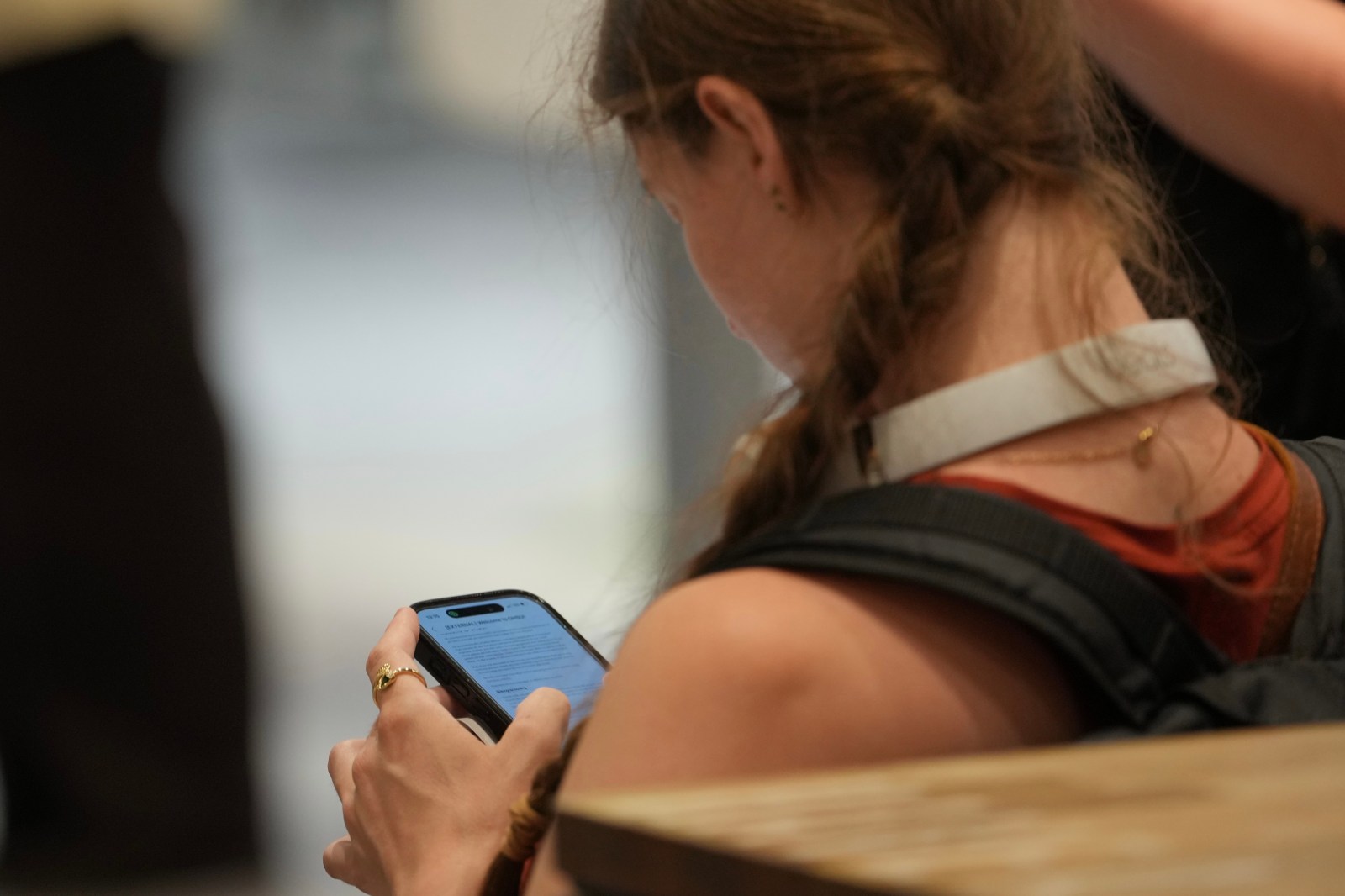
Canada's federal government wants to ban children under 16 from social media. In June, Ottawa introduced Bill C-34, which would force platforms like TikTok and Instagram to block underage users, according to St. Albert Gazette. But one big question remains unanswered: how would anyone actually verify a child's age?
The bill sets the goal but leaves the method open. No specific age verification system has been chosen yet, Winnipeg Free Press reported. Experts and lawmakers are now debating which approach could work — without putting kids' privacy at serious risk.
Bill C-34 Would Cut Off Kids Under 16
Bill C-34 is a direct response to growing concern about social media's effect on young people. The law would require platforms to deny access to any user under 16. That means companies — not parents — would be responsible for keeping kids off their apps, according to Brandon Sun.
The bill puts the burden on tech companies to act. Platforms that fail to block underage users could face consequences under Canadian law. But enforcing that rule is harder than it sounds when anyone can lie about their age with a few keystrokes.
Three Main Ways Platforms Could Check Ages
Experts point to a few possible methods. One option is document verification — users upload a government ID like a driver's licence or passport. The platform checks it and grants or denies access. It is straightforward but raises concerns about storing sensitive personal data, according to Narcity.
A second option is credit card verification. Since credit cards require users to be adults, a valid card could act as proof of age. A third option uses third-party age estimation tools, which scan facial features to guess a user's age. Each method has trade-offs between accuracy and privacy.
Privacy Concerns Could Undermine the Whole System
Critics worry that age verification could create new dangers. Collecting ID documents or facial scans from millions of users means storing huge amounts of sensitive data. If that data is hacked or misused, it could cause serious harm — especially for young people and their families.
Some experts argue that no system can be both airtight and privacy-safe at the same time. A loose system lets kids slip through. A strict one risks exposing everyone's personal information. Canada has not yet resolved this tension, and the government is still working out the details, according to Winnipeg Free Press.
What Happens Next for the Bill
Bill C-34 is still moving through the legislative process. The federal government has not announced a timeline for when the rules would take effect. Exact methods for age verification will likely be worked out in regulations after the bill passes, according to St. Albert Gazette.
Canada is not alone in this push. Australia, the UK, and several US states have pursued similar laws. How Ottawa solves the age verification puzzle could set a model — or a warning — for other countries watching closely.
Sentiment
NeutralPublishers
4
Articles
3
Reach
4


