CTE and Contact Sports
Chronic Traumatic Encephalopathy: Understanding Brain Damage Linked to Repeated Head Injuries in Sports
Anonymous
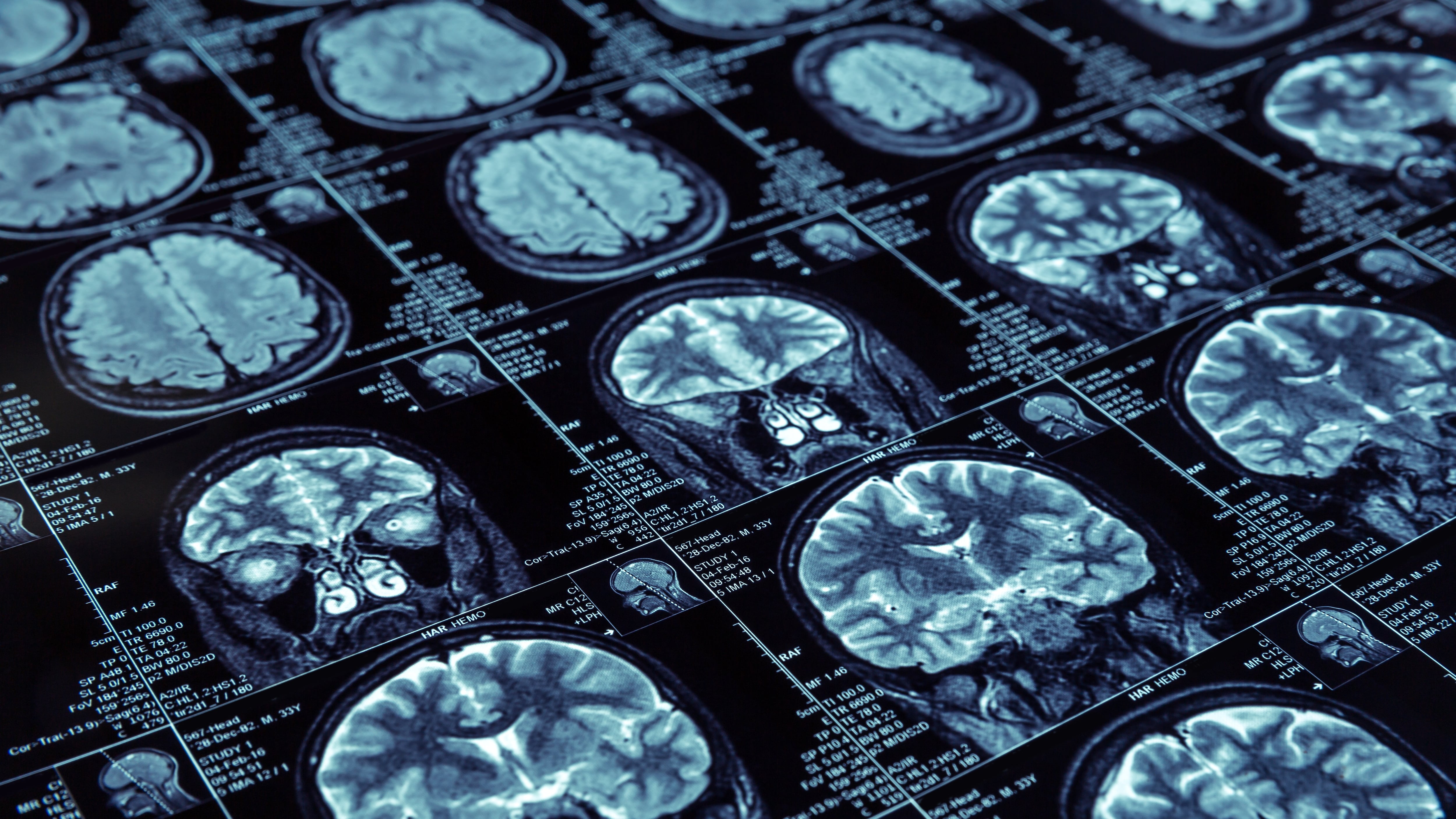
Chronic traumatic encephalopathy, known as CTE, is a rare and progressive brain disease caused by repeated head impacts over time, according to WSOC-TV. First identified in boxers in the 1920s, it can lead to dementia and has no cure. Damage caused by CTE cannot be reversed.
CTE has become a major concern in contact sports like football, boxing, rugby, hockey, and lacrosse, WPXI reports. Most people diagnosed with CTE experienced hundreds of thousands of head impacts during their careers. A concussion is not required — even smaller, repeated hits can cause the condition.
How Repeated Head Impacts Damage the Brain
CTE develops when repeated head trauma triggers a buildup of an abnormal protein called tau in the brain, according to KIRO 7. Over time, tau spreads and kills brain cells. This process can begin years before any symptoms appear, making early detection extremely difficult.
The damage is cumulative, meaning it builds up hit by hit over months and years. A single hard hit alone is unlikely to cause CTE. Instead, it is the long-term, repeated exposure to head impacts that drives the disease, Action News Jax reports.
Symptoms Include Memory Loss, Mood Swings, and Behavior Changes
CTE symptoms typically fall into four categories: memory and thinking problems, mood disorders, behavior changes, and issues with movement, according to WHIO. People with CTE may struggle to remember things, feel depressed or anxious, act impulsively, or have trouble with balance and coordination.
Symptoms often do not appear until years or even decades after the head injuries occurred, Boston 25 News reports. This long delay makes it hard for patients and doctors to connect the disease to past injuries. Medications can help manage some symptoms, but they cannot stop or reverse the underlying brain damage.
Diagnosis Is Only Possible After Death
There is currently no test to diagnose CTE in a living person, according to WOKV. The only confirmed way to diagnose it is through a brain autopsy after death. Doctors examine brain tissue under a microscope to look for the abnormal tau protein buildup.
Researchers are actively working on brain scans and blood tests that could one day detect CTE in living patients, Star 94.5 notes. Until those tools are proven reliable, doctors can only evaluate symptoms and rule out other conditions in patients who are still alive.
CTE Risk Extends Beyond Football to Many Contact Sports
While football players have received the most attention in CTE research, the disease is linked to any sport with repeated head contact, according to B98.5. Boxing, rugby, hockey, soccer, and lacrosse all carry risk. Military veterans exposed to blast waves from explosions are also considered a high-risk group.
CTE was first called "punch drunk syndrome" when doctors noticed it in retired boxers in the 1920s. Today, research has expanded well beyond boxing, and CTE has been confirmed in the brains of many former NFL players after their deaths, WSOC-TV reports.
Sentiment
NeutralNEGATIVENEUTRALPOSITIVE
Publishers
9
Articles
8
Reach
9
A
AnonymousAuthor


