Hormuz Protection Fee Proposed
Trump Proposes 20% Fee for US Strait of Hormuz Protection, Raising Questions
Anonymous
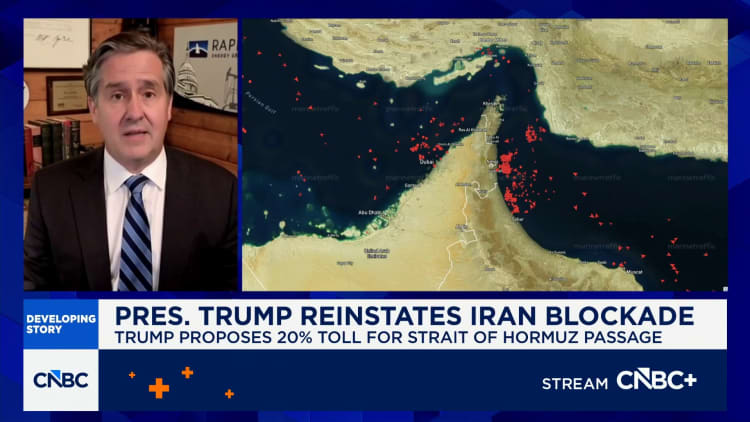
President Donald Trump has proposed charging ships a 20% fee in exchange for U.S. Navy protection through the Strait of Hormuz, one of the world's most critical trade routes. The Strait carries roughly 20% of global oil shipments, making it a chokepoint that can shake energy markets worldwide. WISN reports the fee would be calculated as 20% of the value of cargo passing through the waterway.
The plan raises immediate questions: who pays, how is the fee collected, and what exactly does the U.S. protect ships from? Experts say the details remain murky — and the proposal may clash with the U.S. government's own stated principles about open sea lanes.
What Trump's 20% Protection Fee Actually Means
Under Trump's proposal, ships using the Strait of Hormuz would reimburse the United States 20% of the value of their cargo, according to KCRA. In return, the U.S. Navy would escort or protect those vessels from threats — most notably Iran. For a tanker carrying $100 million worth of oil, that would mean a $20 million payment to Washington.
It is not yet clear how the fee would be enforced or collected. Some interpretations suggest the 20% could cover U.S. Navy escort costs. Others read it as a flat cut of cargo value. KETV notes that either way, the fee is far larger than anything the shipping industry currently pays for protection, making it potentially unaffordable for most shippers.
Rubio's Past Stance Contradicts the New Proposal
Secretary of State Marco Rubio previously said that no country should charge tolls in international waterways like the Strait of Hormuz. That position now sits in direct conflict with Trump's fee idea, according to WBALTV. The contradiction has not been explained by the White House.
The Strait of Hormuz is considered an international passage under maritime law. Charging ships to use it could set a controversial precedent. It may also push shipping companies to find alternate routes, which are longer and more expensive, driving up the cost of goods worldwide.
Why the Strait of Hormuz Matters So Much
The Strait of Hormuz sits between Iran and Oman. It is only 21 miles wide at its narrowest point. Despite its small size, about one-fifth of all global oil flows through it daily. Iran has long threatened to close the Strait during periods of tension with the West, according to KOAT.
A disruption — or even the threat of one — can send oil prices climbing. Charging ships a fee equal to 20% of cargo value could have a similar effect. Analysts say a fee even a fraction of that size would likely be passed on to consumers in the form of higher fuel and goods prices.
Can This Plan Actually Work in Practice?
Shipping experts say the logistical hurdles are enormous. The U.S. Navy would need to track every vessel, verify cargo values, and collect payments — all in a hostile and fast-moving environment. WMUR notes that a fee around 10 times the size of normal shipping insurance rates would likely be seen as prohibitive by the industry.
For now, the proposal appears to be more of a negotiating signal than a fully formed policy. Trump has used similar tactics before — floating dramatic numbers to shift the terms of a conversation. Whether the 20% fee becomes real policy, or fades as a bargaining chip, depends on how talks with Iran and U.S. allies develop in the coming weeks.
Sentiment
NeutralNEGATIVENEUTRALPOSITIVE
Publishers
15
Articles
15
Reach
15
A
AnonymousAuthor


