Uranium Mine Production Restarts
Cigar Lake Uranium Mine Resumes Production, Maintains Stable 2026 Output Forecast
Anonymous
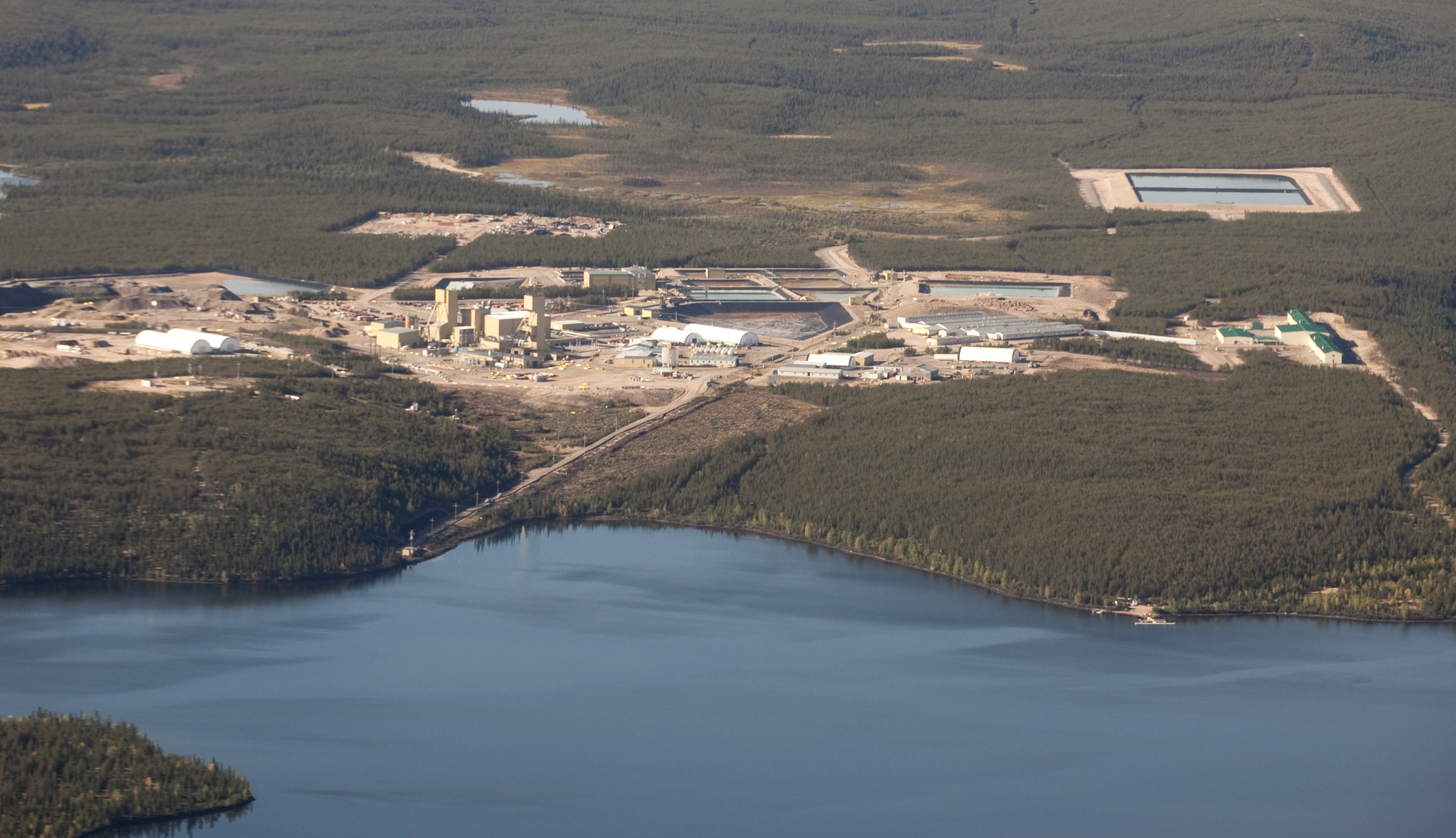
Cameco's Cigar Lake uranium mine in northern Saskatchewan has resumed production after a 13-day shutdown, the company announced on July 14, 2026. The pause was triggered by a mechanical failure at Orano Canada's McClean Lake mill — the only facility that processes Cigar Lake's ore — when the mill's sulfuric acid plant broke down on July 1. Cameco confirmed that the mill is back online and stockpiled ore is now being shipped for processing.
Despite the disruption, Cameco says its 2026 production target for Cigar Lake stays unchanged at 17.5 million to 18.0 million pounds of uranium oxide (100% basis), according to Goderich Signal Star. Cigar Lake is the world's highest-grade uranium mine, with ore averaging 16.33% uranium oxide — hundreds of times richer than most deposits.
A Single Acid Plant Stopped the World's Top Uranium Mine
Cigar Lake's ore is mined underground using high-pressure water jets in frozen ground, then trucked 70 kilometers to the McClean Lake mill. The mill uses sulfuric acid to dissolve uranium from the ore slurry. When the acid plant failed on July 1, the mill could not process anything. Because Cigar Lake has almost no surface storage for ore, Cameco had to stop mining within hours, according to Edmonton Sun.
Analysts at The Oregon Group flagged a broader problem: a global sulfuric acid shortage, partly caused by tensions near the Strait of Hormuz, has more than doubled acid prices. Lotus Resources also paused its Kayelekera mine in Malawi for the same reason. As one industry commentator put it, "a mill acid plant — not a production shortfall, not a labour action — stopped one of the sector's most critical assets."
Cameco and Orano Now Sole Owners After TEPCO Buyout
The shutdown coincided with a major ownership change. On July 2 — just one day after the mill failed — Cameco and Orano formally closed their purchase of Tokyo Electric Power Company's 5% stake in the Cigar Lake joint venture. Cameco paid roughly CAD $115.75 million for its share, according to Sault Star. Cameco now owns 57.418% of the mine; Orano holds the remaining 42.582%.
Cameco CEO Tim Gitzel called Cigar Lake "among the world's best uranium mines" and "a world-class, tier-one asset." The buyout simplifies how the two partners manage the operation and removes a third party from decisions. The acquisition closed even as mining sat idle underground.
Cameco Stock Dropped 4.6% Before Restart News
Investors grew nervous as the shutdown stretched into its second week. Cameco's stock (CCJ) fell 4.6% on July 13 alone. The drop came after two back-to-back disruptions: heavy flooding in May forced a pause at the McArthur River mine, and now the acid plant failure halted Cigar Lake. The two events raised questions about how much operating cushion Cameco actually has, according to Financial Post.
Wall Street analysts remain bullish, however. Thirteen institutional analysts rate Cameco a "Moderate Buy" with an average price target of $146.52, viewing both disruptions as short-term setbacks in a long-term uranium bull market. Cigar Lake has produced roughly 174.5 million pounds of uranium oxide since 2014.
2026 Output Target Intact, but Supply Chain Risks Remain
Cameco says no change to its 2026 guidance is needed because the restart came quickly enough to make up for lost time, according to Montreal Gazette. Ore that was stockpiled during the shutdown is already moving to the mill. Kirk Lamont, General Manager at Cigar Lake, noted the broader opportunity: "The need for nuclear power — we see it. People are power hungry."
But the episode exposed a fragile reality. A single sulfuric acid plant in a remote corner of Saskatchewan sits at the center of the western world's uranium supply. Analysts warn that the nuclear industry's growth ambitions — built on mines like Cigar Lake — depend on chemical and logistics infrastructure that few people track. Building redundancy into that chain is now an urgent question.
Sentiment
NeutralNEGATIVENEUTRALPOSITIVE
Publishers
29
Articles
29
Reach
29
Topics
A
AnonymousAuthor


