AI's World Cup Fake News
Artificial Intelligence Drives Spread of Fake News and Videos During FIFA World Cup
Anonymous
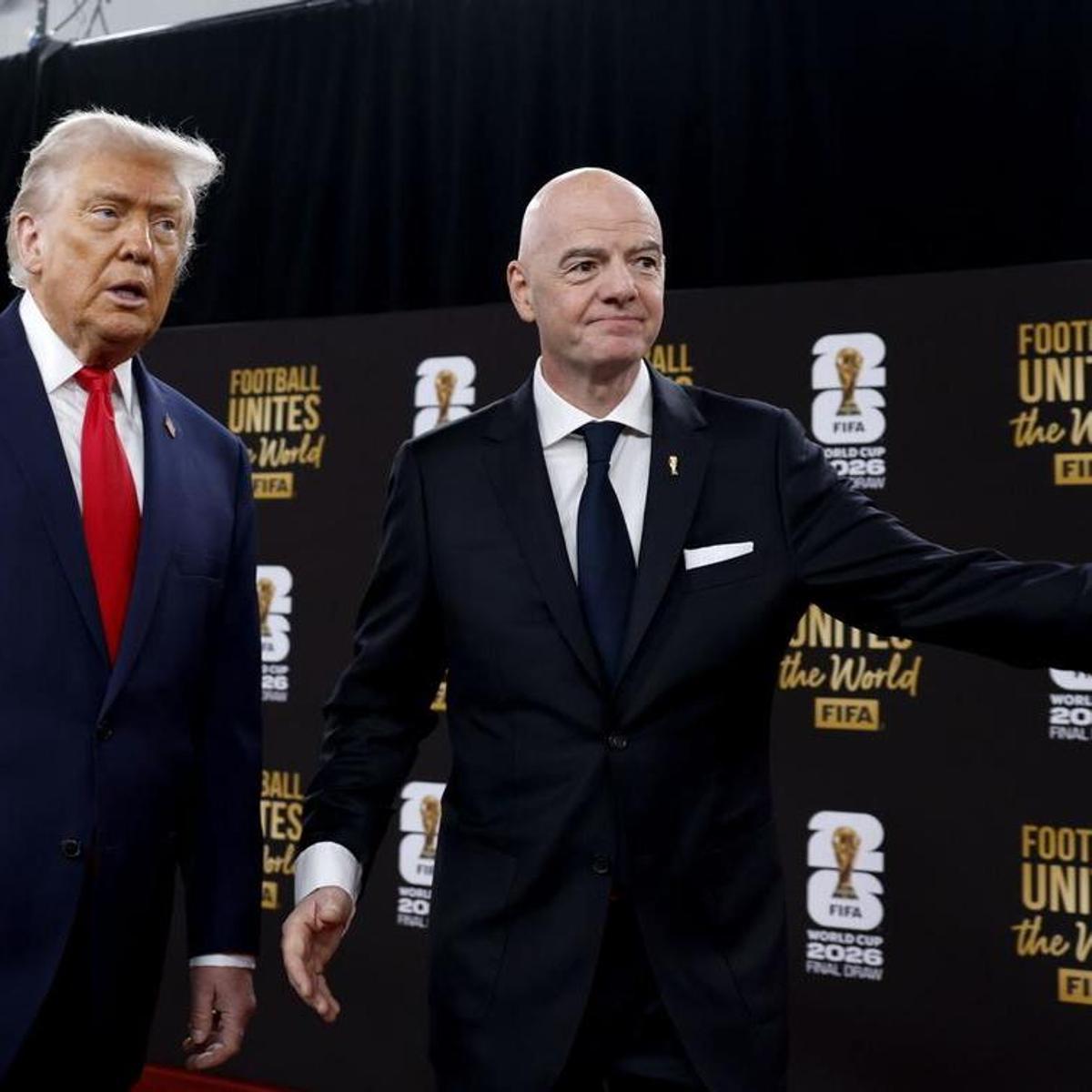
The World Cup has a new problem: fake news powered by artificial intelligence. Social media platforms have become, according to El Periódico Mediterráneo, "a garbage dump of false information and manipulated videos that spread without being verified." From the old Fifagate corruption scandal to a new era of AI-generated lies, football's biggest tournament is now also a battle against digital deception.
Doctored videos, fake quotes from star players, and AI-generated images of stadiums are circulating at massive scale. Millions of fans see them before fact-checkers can respond. The trend marks a turning point in how misinformation spreads during major sporting events.
From Fifagate Corruption to AI-Generated FIFA Fakes
Fifagate, the 2015 FIFA corruption scandal, shook world football. Dozens of officials were arrested. Millions in bribes were exposed. That was a crisis of real, proven wrongdoing. Today's threat is different. The new "FIFA Fake" era is built on lies that never happened — fabricated by AI tools and spread by anonymous accounts, according to Diario de Mallorca.
AI tools can now clone a player's voice in minutes. They can place a coach's face on someone else's body. They can generate fake press conference clips that look real. The speed of production has outpaced the speed of verification. By the time a fact-checker responds, a fake video may have already reached 10 million views, La Opinión de Murcia reported.
Fake Player Quotes and Doctored Match Videos Go Viral
Among the most common fakes are false quotes attributed to top players. A fabricated statement appears on screen with a player's photo. It looks official. Fans share it instantly. No one checks the original source. Diario de Ibiza noted that these fake quotes often target players from rival national teams to stir up anger between fan bases.
Manipulated match clips are also spreading fast. Editors use AI to alter goal replays, change scorelines, or make fouls look worse than they were. One doctored clip can rewrite how thousands of people remember a match. El Correo Gallego described the phenomenon as "a parallel tournament of lies running alongside the real one."
Why Fact-Checkers Are Losing the Speed Race
Fact-checking teams work fast, but AI works faster. A single person with a free AI tool can produce dozens of fake images or clips in one hour. Professional verification takes research, time, and expert review. El Correo Web pointed out that platforms like X, formerly Twitter, have cut their moderation teams, making the problem significantly worse.
The reach gap is stark. Fake content spreads through emotional reactions — outrage, surprise, team loyalty. Real corrections rarely get the same engagement. Información reported that on average, a debunked piece of fake sports content still reaches 6 times more users than the correction that follows it.
What Fans and Platforms Must Do to Fight Back
Experts urge fans to pause before sharing anything surprising or outrageous. Three basic checks help: look for the original source, check if trusted news outlets confirm it, and search the image or video using a reverse-image tool. El Periódico de Aragón noted that media literacy training is now being pushed in several countries ahead of the tournament.
Platforms face pressure to act before viral damage is done, not after. La Opinión de Zamora cited calls from European regulators for mandatory real-time AI-content labeling during major events. Without faster intervention, the World Cup risks being remembered as much for its floods of fake content as for its football.
Sentiment
NeutralNEGATIVENEUTRALPOSITIVE
Publishers
12
Articles
0
Reach
12
A
AnonymousAuthor


