Walking Goal Myth Debunked
Science Reveals the Surprising Origin and Reality of the 10,000-Step Daily Goal
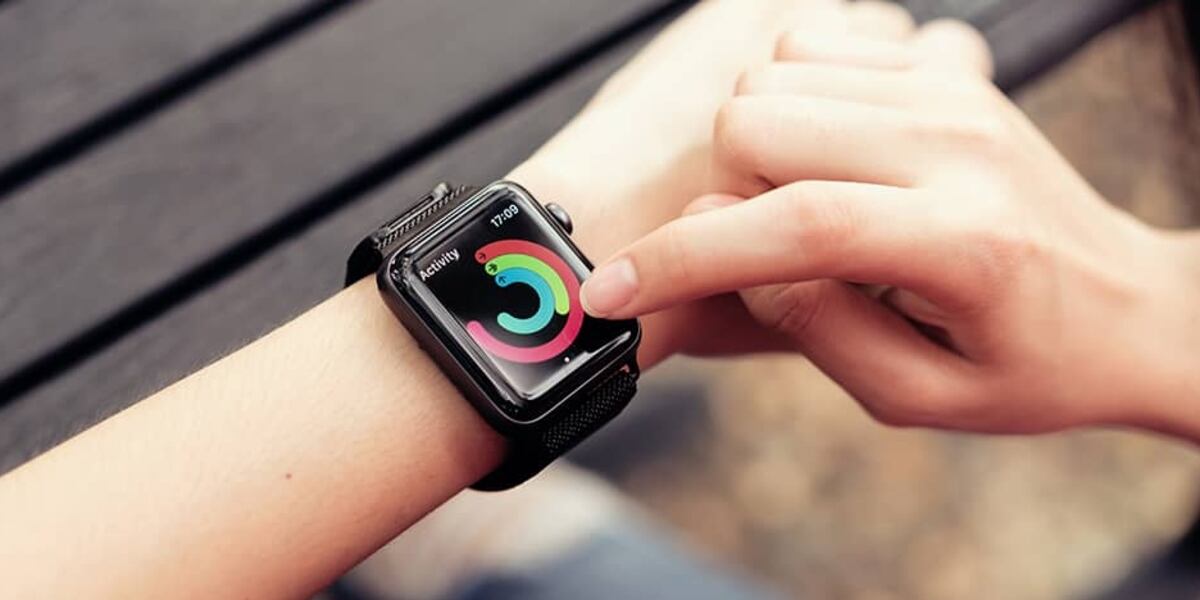
The iconic 10,000-step daily target isn't based on solid science—it's a marketing gimmick from 1960s Japan WVVA. The goal originated when a Japanese company created the Manpo-kei, the world's first wearable fitness tracker, and promoted it around the 1964 Tokyo Olympics. But research now shows most major health benefits happen well before you hit 10,000 steps.
Simply walking from 2,000 to 4,000 steps daily improves heart health significantly WAFB. Fitness companies like Fitbit and smartwatch makers adopted the 10k target as their default, cementing it in popular culture. Experts still agree that tracking steps is valuable—just not that you need to obsess over hitting that magic number.
How a Japanese Pedometer Created a Global Myth
In the 1960s, a Japanese company wanted to sell their new Manpo-kei—literally "10,000 steps meter" in Japanese AZFAMILY. They didn't pick that number based on doctors' advice. Instead, it sounded catchy and fit the marketing buzz around Tokyo's upcoming Olympics 13ABC. The company simply chose a goal that felt ambitious but achievable for average people.
The device became a huge hit in Japan FOX10TV. When fitness trackers exploded worldwide decades later, companies copied the same 10,000-step target WBBJTV. What started as a marketing hook became accepted as fact. Few people questioned whether the number actually made sense for health.
Big Health Gains Come Much Earlier
Recent studies reveal that cardiovascular benefits don't wait until you reach 10,000 steps KOLD. People who increase their daily steps from 2,000 to just 4,000 see meaningful improvements in heart health MYSUNCOAST. The jump from sedentary to moderately active delivers most of the payoff.
This matters because it takes pressure off people who feel defeated by a lofty target WLFI. You don't need to double or triple your activity level to see real benefits. Even small increases in daily movement move the needle on health metrics like blood pressure and cholesterol.
Step Counting Still Matters for Fitness
Despite its arbitrary origin, tracking steps remains a useful tool for most people WVVA. It gives you a concrete number to measure progress. It encourages movement throughout the day instead of intense gym sessions that many people skip. The metric works because it's simple and visible on your phone.
The takeaway: find a step goal that fits your lifestyle and stick with it WAFB. Whether that's 4,000, 6,000, or 10,000 doesn't matter as much as consistency. The best step target is the one you'll actually follow, not the one a Japanese company invented 60 years ago.
Sentiment
NeutralPublishers
9
Articles
9
Reach
9


