The Unspoken Feminist Icon
How Dolly Parton Embodied Feminism Without Ever Claiming the Label
Anonymous
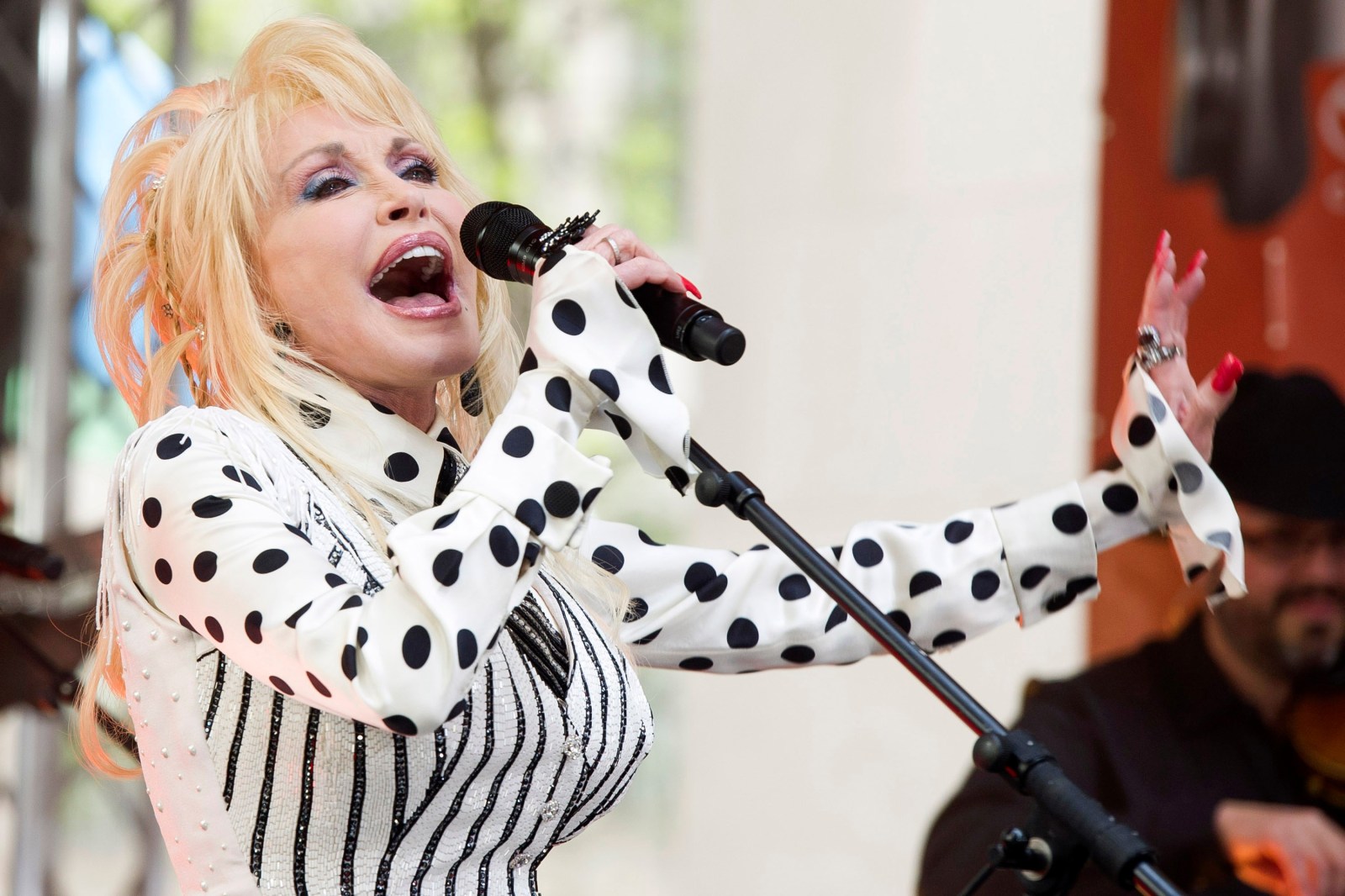
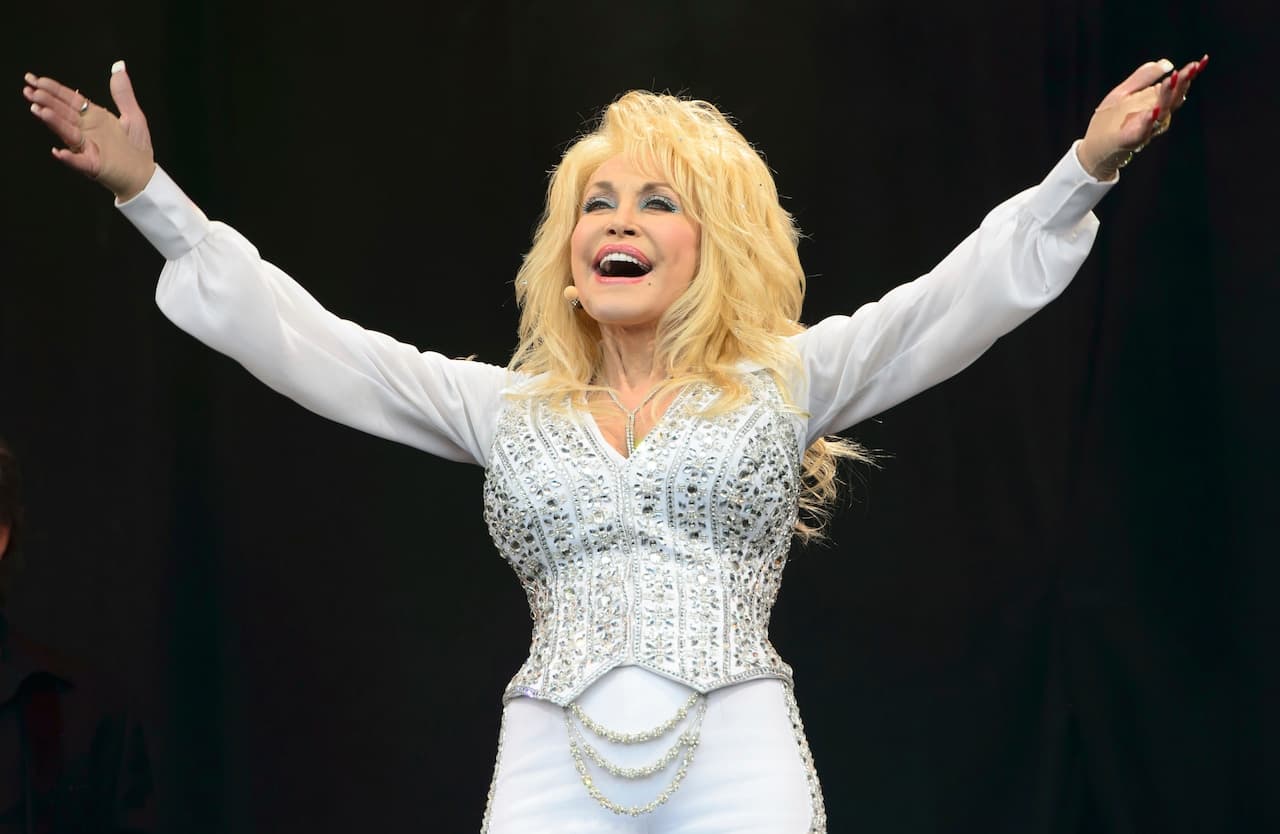
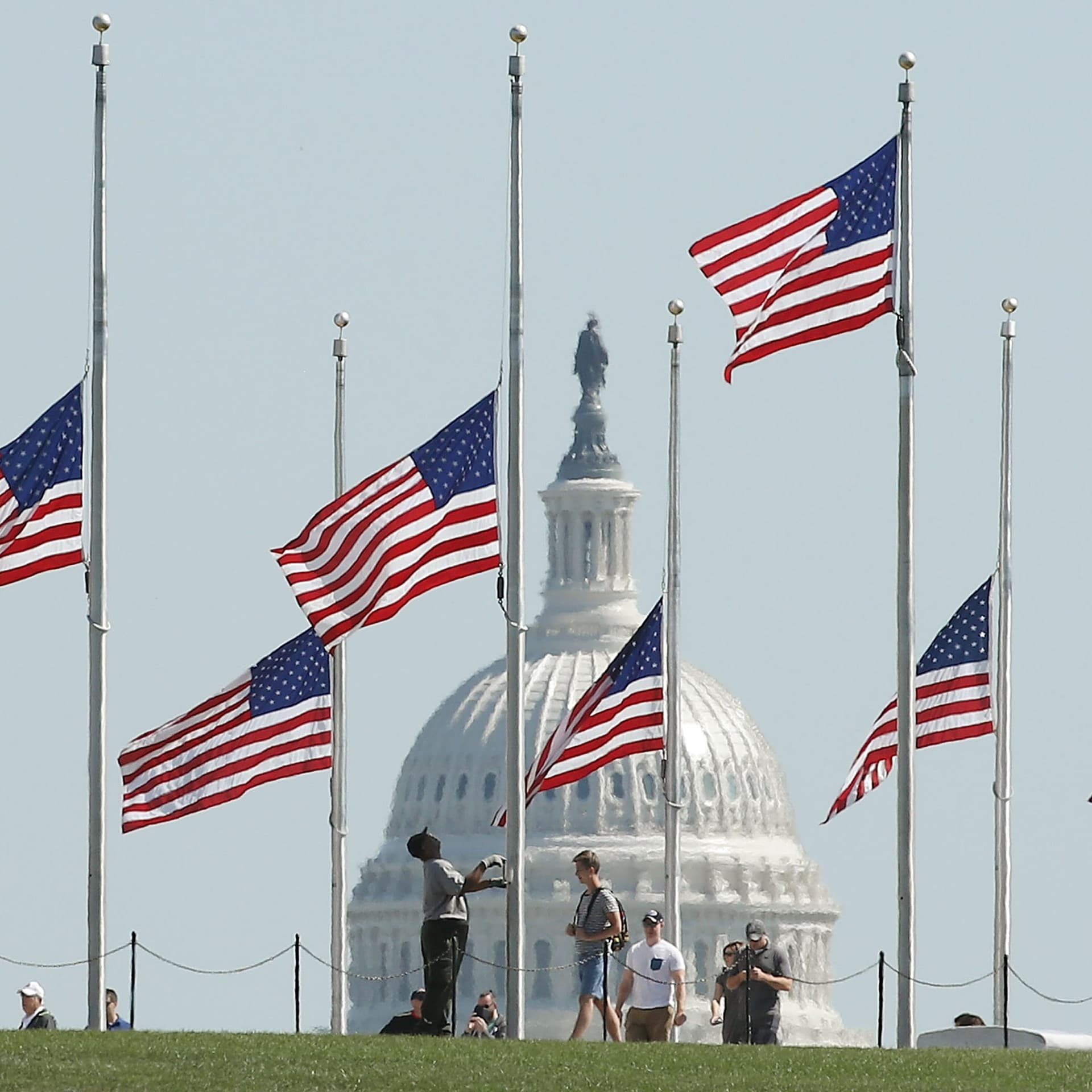
Dolly Parton, the country music icon who passed away at 80, never called herself a feminist. But her fans heard feminism anyway—in her defiant lyrics, her business savvy, and the life she lived entirely on her own terms. Ms. Magazine, Gloria Steinem's publication, named Parton one of its 12 Women of the Year in 1987, placing her alongside senators, novelists, and activists.
Parton's refusal to wear the feminist label didn't stop her fans from claiming her as one of their own. Music writer Caryn Rose credits Parton with a rare gift: the ability to challenge double standards without making people uncomfortable. Her songs like "Just Because I'm a Woman" became anthems of independence for generations of listeners who recognized themselves in her words.
A Reluctant Icon Who Lived Like a Feminist
Parton built a career on her own conditions in an industry that demanded women fit molds. She refused to be boxed in by country music's expectations or Nashville's gatekeepers. Winnipeg Free Press notes that while Parton never embraced the feminist label publicly, her actions spoke louder than words. She wrote songs about women's independence, owned her master recordings, and built a business empire that gave her total creative control.
Her 1974 song "Just Because I'm a Woman" laid bare the double standard women faced. The lyrics refused apology or shame for female desire and agency. Decades later, fans recognized this as feminist work, even if Parton herself didn't use that word. Her willingness to sing about what she wanted—without male approval—felt radical in country music.
Recognition From Steinem's Ms. Magazine
In 1987, Ms. Magazine honored Parton as one of 12 Women of the Year. The publication, co-founded by feminist pioneer Gloria Steinem, placed her among senators, acclaimed novelists, and humanitarian workers. The honor acknowledged what critics had already seen: that Parton's life and work embodied feminist values, regardless of her personal rhetoric.
This recognition mattered because it came from the heart of the feminist movement itself. Steinem's magazine didn't mistake Parton for something she wasn't. Instead, it recognized that feminism isn't only about ideology—it's about how women live and the choices they make. Parton's choices spoke volumes.
Breaking Double Standards Without Apology
Music writer Caryn Rose identified Parton's greatest gift: navigating double standards without alienating her audience. This was a high-wire act. Country music's conservative base could have rejected a woman singing about independence and female power. Instead, Parton's warmth, humor, and genuine kindness made listeners feel seen rather than preached to.
She dressed bold. She spoke her mind. She built an enterprise worth hundreds of millions. She used her platform to support LGBTQ causes and social justice. Yet she never made anyone feel bad for disagreeing with her. That balance—pushing boundaries while keeping people's hearts—may be her most enduring legacy.
Sentiment
NeutralNEGATIVENEUTRALPOSITIVE
Publishers
4
Articles
4
Reach
4
A
AnonymousAuthor