Farming Goes High-Tech
CNH Report Reveals Precision Technology Now Essential for North American Farmers as 54% Plan Further Investment
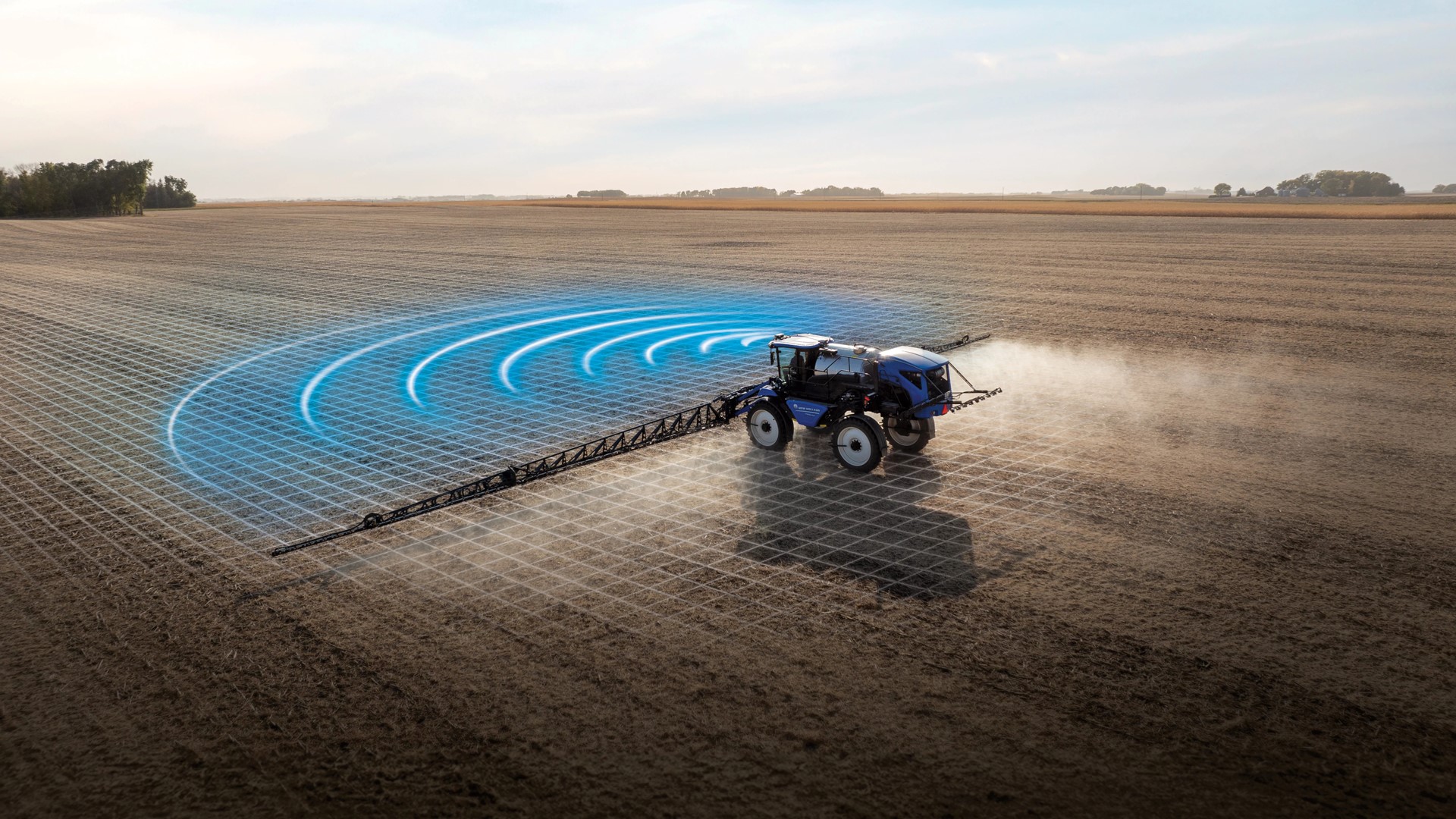
Precision technology has gone mainstream on North American farms. A new survey from CNH Industrial found that 89% of farmers and ranchers already use auto-guidance technology — tools that steer machinery automatically — according to Leader Post. The inaugural CNH Farmer Pulse report, based on 217 respondents across the U.S. and Canada, also found that 71% consider precision technology important to their operation's success.
Looking ahead, 54% of surveyed farmers plan to invest in more precision technology within the next two years, Ottawa Sun reported. The top reasons: lower input costs, better labor efficiency, and higher yields. But cost, unclear returns, and training gaps are still slowing wider adoption.
Auto-Guidance Now Standard Equipment on Most Farms
Nearly 9 in 10 farmers in the survey use auto-guidance technology. That is a striking number. Auto-guidance lets tractors and combines follow precise paths without constant driver input. It reduces overlap, cuts fuel use, and eases operator fatigue. Montreal Gazette noted the report tracks adoption trends across North America, and the auto-guidance figure shows precision tools are no longer niche — they are expected.
CNH Industrial, which makes Case IH and New Holland equipment, released the report as its inaugural "Farmer Pulse" edition focused on AgTech adoption. The company said the findings reflect a clear shift in how farmers view technology — not as optional, but as core to running a competitive operation, according to The Observer.
Lower Costs and Labor Savings Drive Investment Plans
Farmers who plan to buy more precision technology pointed to three main benefits. First, lower input costs — using less seed, fertilizer, and chemical by applying them more precisely. Second, labor efficiency — doing more with fewer workers. Third, higher yields. All three matter more than ever as farm margins stay tight and rural labor shortages persist, Hanna Herald reported.
With 54% of respondents ready to spend on new tools in the next two years, demand for precision AgTech looks strong. That includes technologies like variable-rate application, remote monitoring, and data-driven field planning. These tools help farmers make smarter decisions acre by acre, according to Fairview Post.
Cost and Complexity Still Block Many Farmers From Adopting
Not everyone is ready to jump in. The report identified four key barriers: upfront cost, uncertainty about return on investment, lack of training, and ease of use. These are not small hurdles. Precision equipment can run tens of thousands of dollars. And if a farmer cannot figure out the software or does not see a clear payoff, the investment feels too risky, Chatham Daily News reported.
Training is a particular sticking point. Many farmers learn by doing, and complex new systems can frustrate rather than help. Daily Herald Tribune noted the report highlights ease of use as a key concern, suggesting equipment makers like CNH still have work to do to make precision tools accessible to all farm sizes and experience levels.
CNH Plans to Track Adoption Trends in Future Reports
CNH framed the Farmer Pulse as an ongoing initiative, not a one-time study. The company plans to release future editions to track how adoption, attitudes, and investment trends shift over time. That kind of longitudinal data could give the agriculture industry a clearer picture of where technology is headed on the farm, according to Pincher Creek Echo.
For now, the data tells a clear story. Precision technology has already crossed the threshold from early adopter territory into everyday farming. The next challenge is bringing along the farmers who are still on the fence — and making sure the tools are affordable, trainable, and worth the price tag, Cochrane Times Post reported.
Sentiment
NeutralPublishers
10
Articles
10
Reach
10


