Recuperación de suelos forestales
Expertos señalan las claves para recuperar suelos quemados y frenar la erosión tras incendios
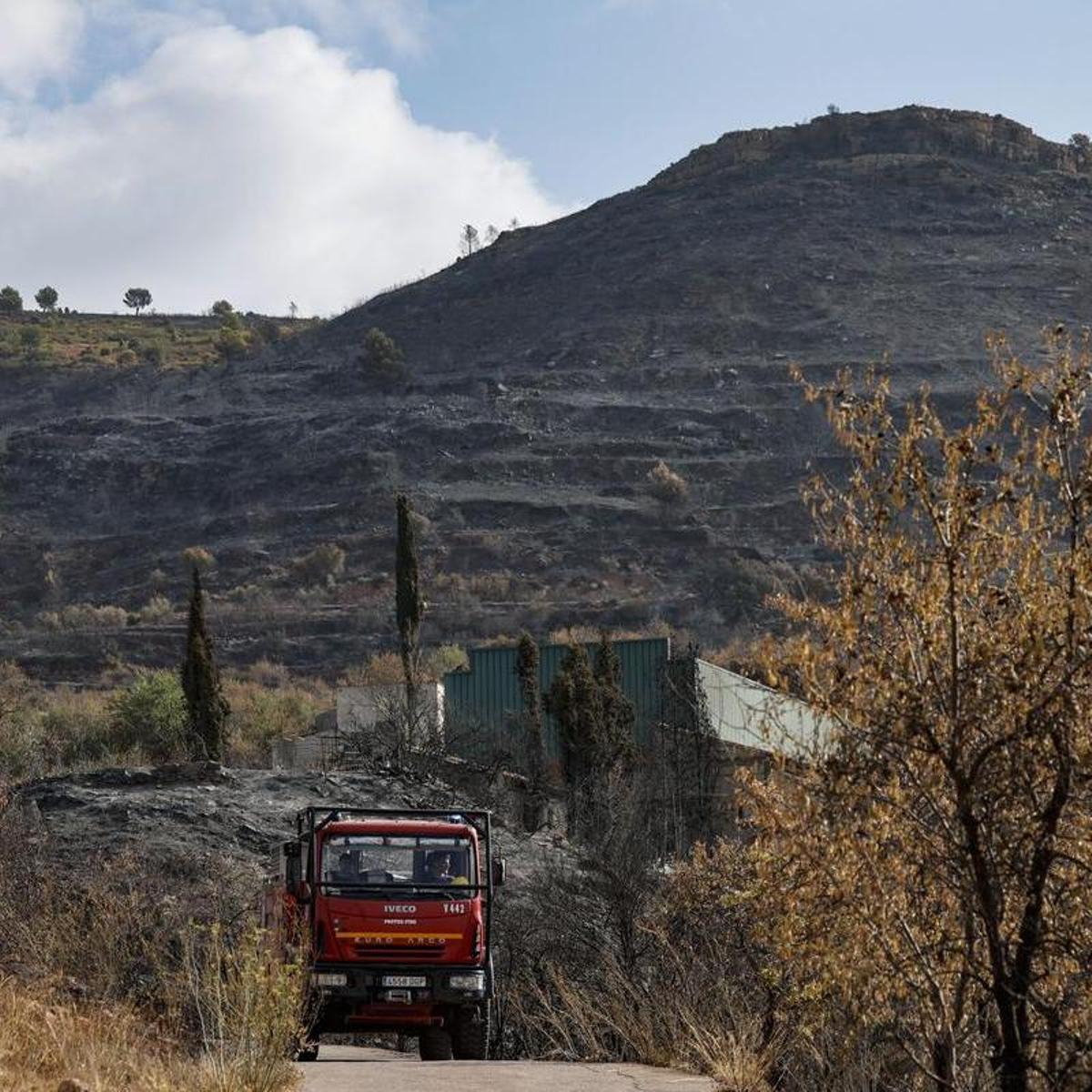
Wildfires leave behind scorched earth vulnerable to severe erosion when storms arrive. Experts agree on three critical strategies to recover burned soil: installing physical barriers to slow water runoff, thoroughly studying soil conditions before acting, and delaying replanting efforts until the ground stabilizes El Correo Gallego.
Why Burned Soil Erodes Faster During Storms
Fire strips away the vegetation and organic matter that normally hold soil in place. When heavy rains arrive, water rushes down hillsides unchecked, carrying away the nutrient-rich topsoil that plants need to grow. La Opinión de Málaga notes this erosion can destroy years of forest ecosystem development in just hours.
Installing Barriers Slows Water and Protects Slopes
Physical barriers are the first line of defense. These structures—wood logs, rocks, or manufactured geotextiles—catch soil particles as water runs downhill. El Periódico de Aragón explains that well-placed barriers can reduce erosion by up to 80% in the first critical months after a fire.
Barriers must be installed quickly, within weeks of the fire, before the rainy season intensifies. Engineers position them perpendicular to water flow patterns. El Periódico de Extremadura reports that this approach requires significant investment but prevents far costlier restoration work later.
Soil Testing Reveals What Ground Needs to Heal
Before any replanting, experts must analyze burned soil chemistry and structure. La Opinión de Zamora states that fires change soil pH, destroy beneficial microbes, and break down carbon compounds that feed future growth. Testing identifies exactly what nutrients and organisms are missing.
Lab work takes weeks but prevents costly mistakes. Mismatched replanting species fail in chemically imbalanced soil. El Periódico Mediterráneo found that soil studies reduced replanting failure rates from 40% to under 5%.
Wait Before Replanting—Let Nature Stabilize First
The impulse to replant immediately after a fire is understandable but dangerous. Diario de Mallorca explains that rushing replanting wastes money and trees—new seedlings cannot establish roots in unstable, nutrient-poor soil. Experts recommend waiting 12–24 months.
During this waiting period, erosion barriers keep soil in place, natural decomposition rebuilds organic matter, and soil organisms return on their own. Lne reports that delayed but strategically timed replanting succeeds 70% more often than immediate efforts, making patience the cheapest investment.
Sentiment
NeutralPublishers
17
Articles
0
Reach
17


