Emerging Market Resilience
Emerging Markets Draw Record Investor Inflows Driven by Reforms and Diversification
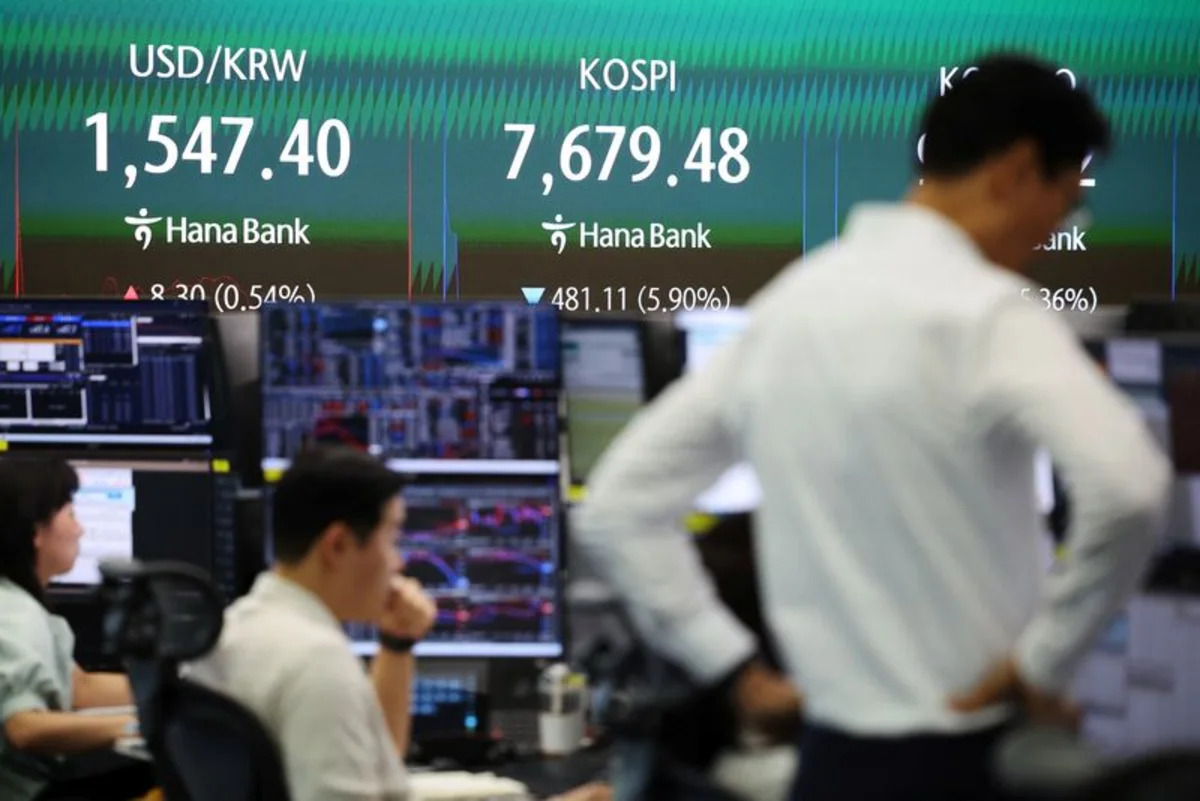
Emerging markets are climbing out of what analysts call a "valley of tears," drawing record investor cash despite wars, tariffs, and global uncertainty. Foreign investors poured $214.4 billion into emerging market debt through July 2025, up from $177.7 billion the year before, according to Institute of International Finance data cited by Yahoo Finance.
Bond sales have also hit record levels. Stronger domestic markets, better policymaking, and a global push to diversify away from U.S. assets are all driving the surge, Yahoo Finance reported.
Record Debt Inflows Signal a Structural Shift
Emerging market debt inflows have now reached a two-decade high. That is a big deal. For years, these markets were seen as risky bets — vulnerable to every global shock. Now, investors are treating them as a core part of their portfolios, not just a side bet.
The numbers back this up. The $214.4 billion flowing into emerging market debt through July 2025 marks a sharp jump from $177.7 billion in the same period last year, per Institute of International Finance figures. Bond sales have also broken records, showing strong and sustained demand.
Reforms and Deeper Local Markets Cushion the Blow
So why are investors less scared than before? Several things have changed. Governments in emerging markets have improved their policymaking. They have also built up stronger foreign exchange reserves — cash stockpiles that help protect their currencies during crises.
Local capital markets have also grown deeper. That means more domestic investors — like pension funds and insurers — are buying their own countries' bonds. This reduces reliance on fickle foreign cash. When global shocks hit, these local buyers help steady the market, The State reported.
Dollar Diversification Sends Cash Away from U.S. Assets
A major force behind this trend is diversification. Global investors are moving money out of U.S. assets. Trade tensions, tariffs, and political uncertainty have made some investors nervous about being too exposed to the United States. Emerging markets are benefiting directly from that shift.
This is not a small move. When large pension funds or sovereign wealth funds rebalance away from the dollar, billions flow elsewhere. Emerging markets — with improving fundamentals — are a natural destination, according to Macon.
Fed Rate Risk Remains the Biggest Cloud on the Horizon
The rally is not without risk. The biggest threat is the U.S. Federal Reserve. If the Fed raises interest rates, the U.S. dollar tends to strengthen. A stronger dollar makes it harder for emerging market countries to repay dollar-denominated debt. It also pulls investors back toward U.S. assets.
Many emerging market currencies would weaken under that scenario. That could reverse some of the recent gains. For now, inflows remain strong — but investors are watching the Fed closely, Yahoo Finance noted.
Sentiment
NeutralPublishers
4
Articles
4
Reach
4