New Gitksan Secondary School
Three First Nations Celebrate Opening of New Gitksan West Secondary School
Anonymous
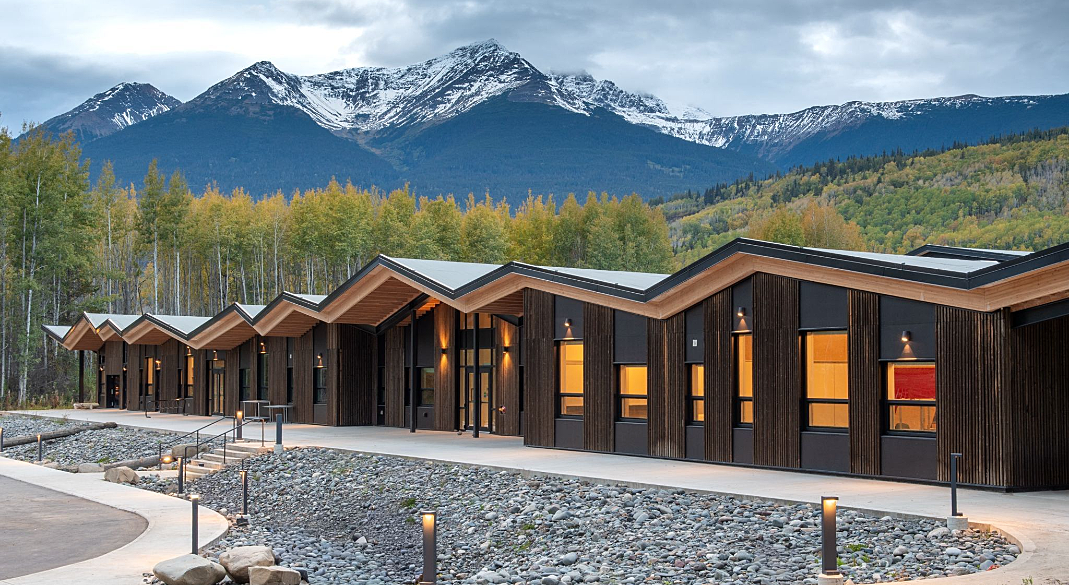
Three First Nations in British Columbia have opened Gitksen West Secondary School, a new educational facility that brings secondary education directly to their communities. Recorder reported that Gitwangak, Gitanyow, and Gitsegukla First Nations celebrated the school's opening on Gitwangak reserve #1. The facility can serve up to 170 students and emphasizes Gitksens culture, language, and community values in its classrooms.
Indigenous Services Canada funded the project with over $39 million to cover design, construction, and first-year operations. National Post noted the school allows students to remain close to family and community while completing their secondary education. The opening marks the end of a years-long collaboration between the three nations to build this culturally rooted learning space.
A School Built on Community Culture
Gitksen West Secondary School prioritizes Indigenous language and culture in its curriculum. The Whig reported that students now access secondary education in an environment grounded in Gitksens traditions and community knowledge. The 170-student capacity means neighbouring communities can also send their children to the school. This design keeps young people connected to their roots while earning diplomas.
Federal Investment Supports Long-Term Operations
The $39 million contribution from Indigenous Services Canada made the project possible. Pembroke Observer confirmed the funding covered both construction and programming costs during the school's opening year. This federal support removes the burden from the three First Nations to fund operations alone. The investment reflects Ottawa's commitment to improving Indigenous education access in remote regions.
Years of Collaboration Come to Fruition
Gitwangak, Gitanyow, and Gitsegukla First Nations spent years planning and building this facility together. Brantford Expositor highlighted how the three communities worked in partnership to establish the school on the Gitwangak reserve. The opening represents their determination to control education for their youth. By pooling resources and expertise, they created a model other First Nations may follow.
Keeping Students Close to Home
Before this opening, young people had to leave their communities to attend secondary school elsewhere. Daily Herald Tribune noted the new facility lets students stay with their families while earning credentials. This proximity strengthens ties between students and their cultural roots. It also reduces costs and barriers that previously kept some youth from completing high school.
Sentiment
NeutralNEGATIVENEUTRALPOSITIVE
Publishers
14
Articles
14
Reach
14
A
AnonymousAuthor


