Proliferación del avispón oriental
Por qué aumenta la población de avispones orientales en Andalucía durante este verano
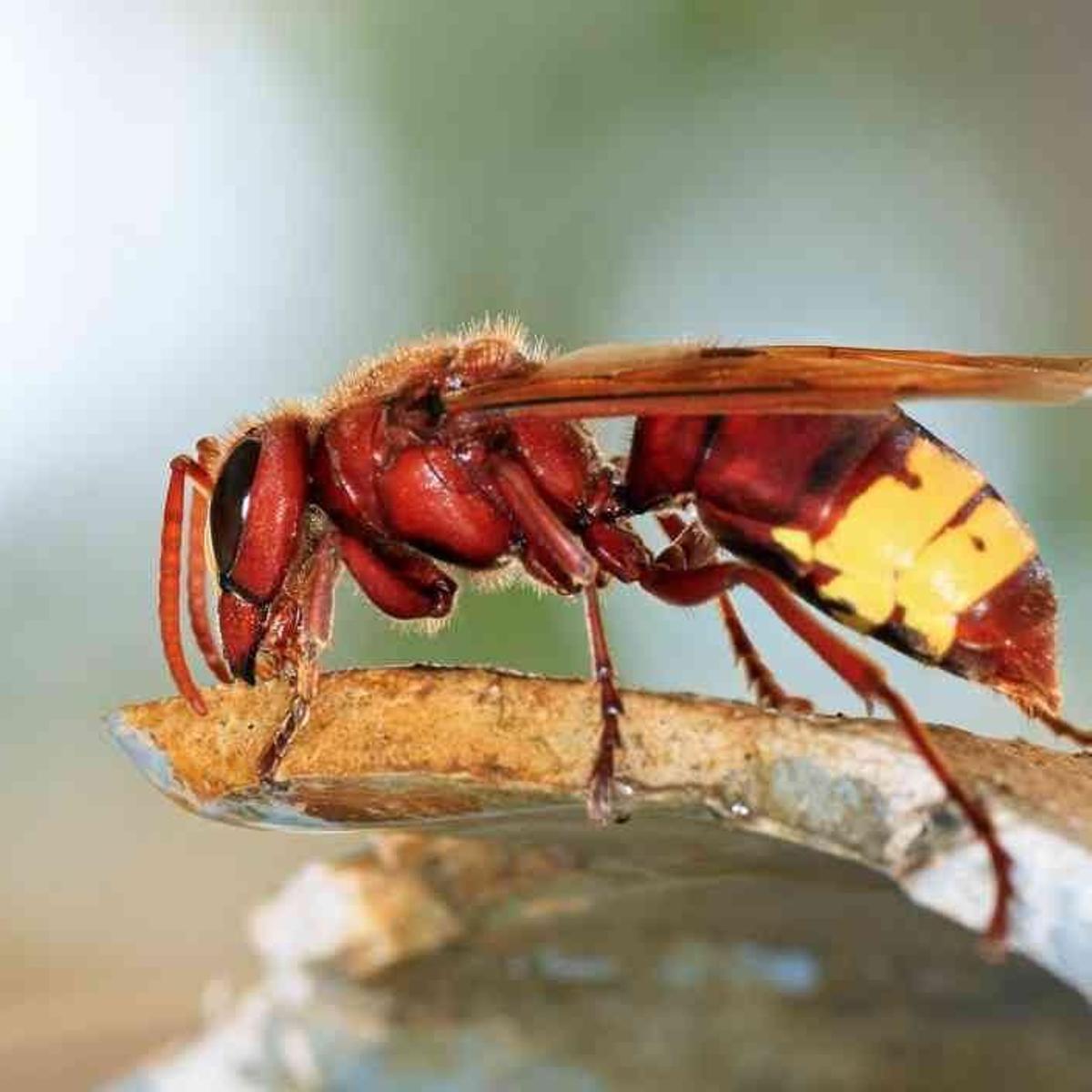
Eastern hornets are swarming Andalusia this summer because their colonies are exploding in size. La Opinión de Málaga reports that Vespa orientalis queens are vulnerable alone in spring, but starting in June, worker hornets multiply rapidly inside nests. A single nest can now house hundreds of these insects.
Why Spring Queens Can't Control Populations
In spring, eastern hornet queens face a critical weakness. Diario de Mallorca explains that each queen starts a new nest completely alone. She must lay eggs, feed larvae, and build the hive by herself. This makes her vulnerable to predators and harsh weather.
June Marks the Start of Rapid Worker Growth
Everything changes when June arrives. El Periódico de Aragón states that worker hornets begin emerging from pupae in massive numbers. The queen stops building the nest herself and focuses only on laying eggs. Worker population explodes from dozens to hundreds in just weeks.
Summer Nests Reach Hundreds of Active Workers
By high summer, these colonies become formidable. LNE reports that nests can contain hundreds of worker hornets all foraging for food simultaneously. Each worker hunts insects, tends larvae, and expands the nest. This massive workforce makes the hive nearly impossible for predators to penetrate.
A Seasonal Pattern Andalusia Will See Repeat
This boom-and-bust cycle repeats every year. El Periódico notes that August and September see peak hornet activity before colonies decline in autumn. Understanding this seasonal pattern helps people prepare. Spring control efforts are far more effective than summer interventions against hundreds of workers.
Sentiment
NeutralPublishers
5
Articles
0
Reach
5


