Berg Project Advanced
Surge Copper Initiates Extensive 2026 Field Program at Berg Project, Boosting First Nations Employment
Anonymous
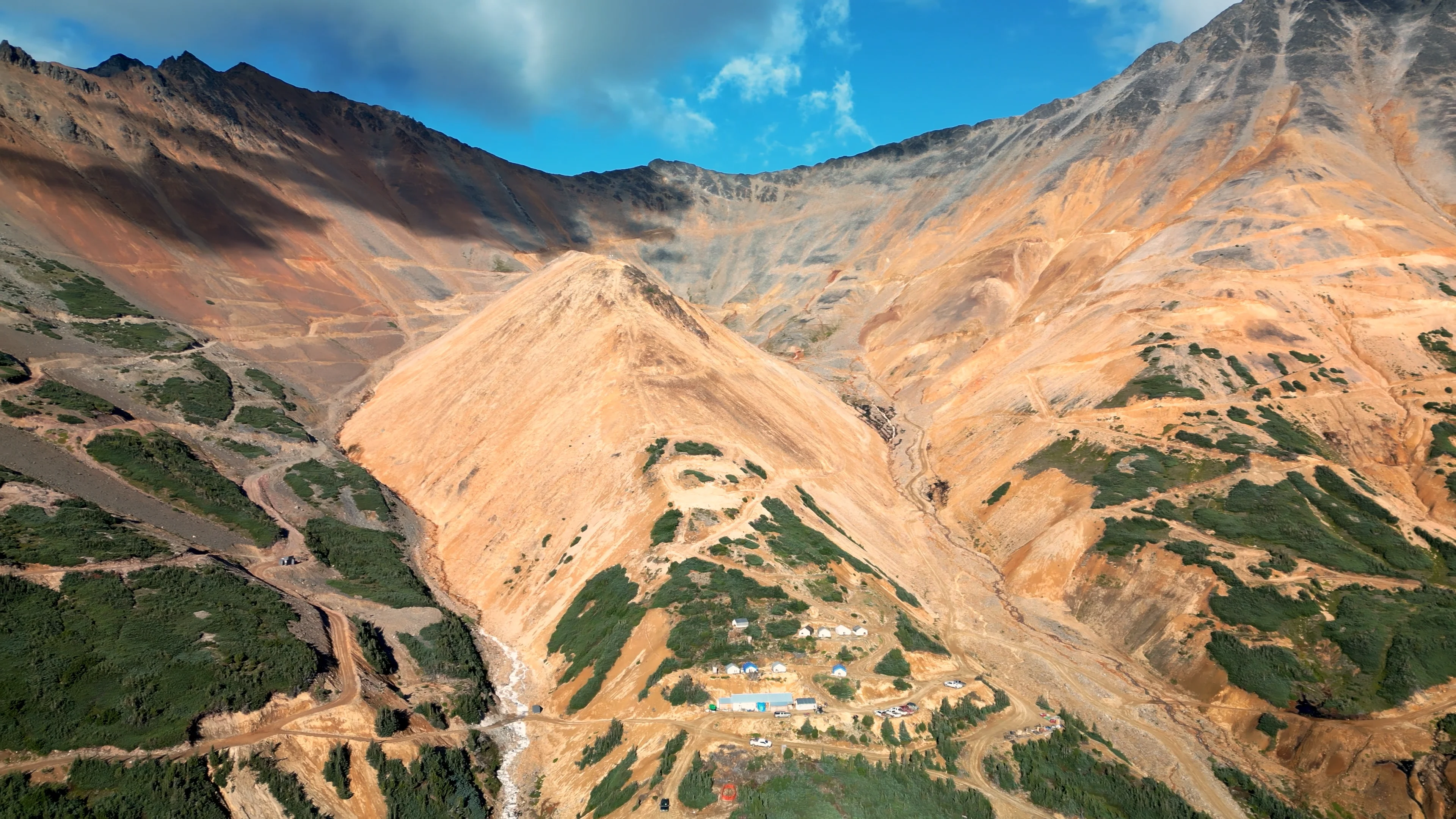
Surge Copper Corp. has kicked off one of the most extensive field programs ever run at its Berg Copper Project in central British Columbia, targeting feasibility-level engineering and environmental data collection through 2026, according to National Post. The program spans geotechnical, hydrogeological, acid rock drainage, geophysical, LiDAR, and baseline environmental studies across the deposit and all proposed infrastructure zones.
The drilling component alone includes up to 46 holes totalling roughly 6,330 meters, with four additional lower-priority pit geotechnical holes possible depending on capacity and conditions, Fort Saskatchewan Record reported. The program will also set a record for seasonal employment of local First Nations workers at the site.
Why Berg Is Getting Such a Large Field Push
Berg is a porphyry copper-molybdenum deposit in central British Columbia. Surge Copper is working to move it toward a feasibility study, the stage where a company decides whether to build a mine. That requires a large body of detailed technical and environmental data, which is what this program is designed to collect, according to Goderich Signal Star.
The company described the 2026 effort as covering a large physical footprint with many personnel on site. It includes numerous drill sites and study areas spread across the deposit and the routes where roads, power lines, and other infrastructure would be built, Fairview Post reported.
Drill Program Targets Geotechnical Data for Pit and Infrastructure Design
The core drilling effort consists of up to 46 holes covering about 6,330 meters. Geotechnical drilling gathers rock strength and stability data. Engineers use that data to design open pit walls, tailings facilities, and other structures safely. The four contingency pit geotechnical holes will only be drilled if time and site conditions allow, according to National Post.
Acid rock drainage, or ARD, is a key focus. ARD happens when sulfide minerals in mined rock react with air and water to create acidic runoff. Collecting ARD data now helps engineers design systems to prevent environmental damage before a mine is ever approved, Fort Saskatchewan Record noted.
Record First Nations Hiring Marks a Shift at Berg
The 2026 program will create the highest number of seasonal jobs for local First Nations workers in the project's history, according to Goderich Signal Star. Surge Copper did not release a specific headcount, but described the hiring as a record tied directly to the scale of this year's field work.
Meaningful Indigenous employment is increasingly important for mining projects in British Columbia. Regulators and communities expect companies to show real economic benefits for local First Nations during the study phase, not just after a mine opens. This hiring milestone signals that Surge Copper is working to build those relationships early, Fairview Post reported.
What Comes Next as Feasibility Work Advances
The data gathered in 2026 will feed directly into feasibility-level engineering studies. A feasibility study is the final major technical hurdle before a mining company can seek permits and financing to build. Getting it right requires years of environmental baseline data, and this program pushes Berg significantly closer to that milestone, National Post reported.
LiDAR surveys — which use laser pulses to build precise 3D maps of the terrain — will also be collected this season. Combined with the groundwater and hydrogeological work, the full data set is designed to satisfy both engineering and regulatory requirements for a future environmental assessment process, according to Fort Saskatchewan Record.
Sentiment
NeutralNEGATIVENEUTRALPOSITIVE
Publishers
5
Articles
5
Reach
5
Topics
A
AnonymousAuthor


