Pakistan's Independence Reflection
Pakistan's Information Ministry Shares Reflective Independence Day Message on Nation-Building and Resilience
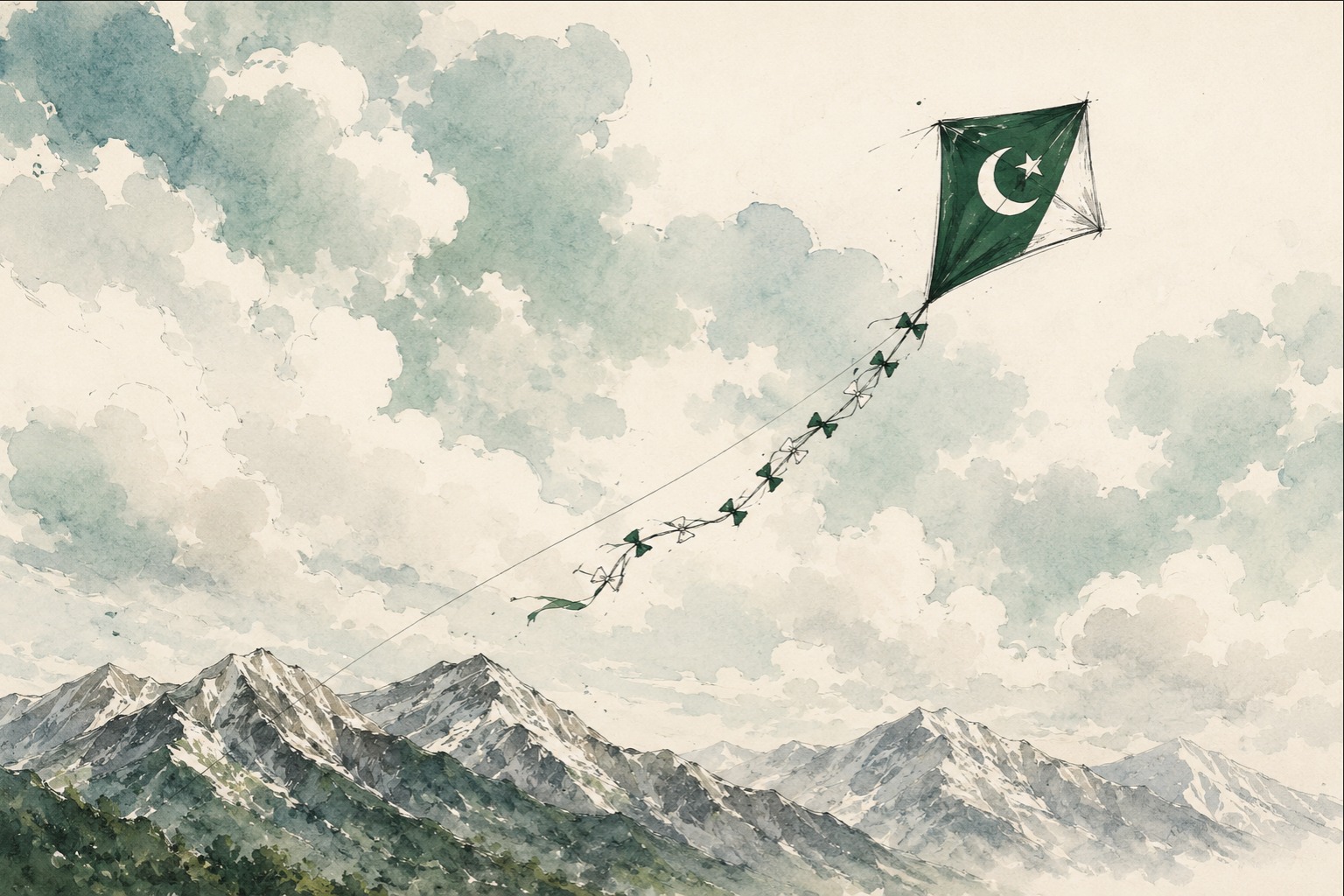
Pakistan's Ministry of Information & Broadcasting has released an Independence Day message with an unusual tone — one that skips the usual triumphant fanfare. Instead of celebrating with polished slogans, the Ministry acknowledged the country's wounds while arguing that the act of continuing to build is itself a form of freedom. Montreal Gazette and National Post both carried the message in full.
The message, titled "The Morning After," frames independence not as a finished achievement but as a daily practice. It argues that freedom lives not just in flags and speeches, but in the millions of small, ordinary things Pakistanis do every day after the declaration.
A Nation Described as Still Becoming
The Ministry's message made a clear and deliberate choice: do not pretend Pakistan is without problems. Instead, it argued that celebrating the country means recognising that it is still in progress. The phrase "keeps becoming" was central to the message's theme. The Whig and Fort Saskatchewan Record both reported this framing as the core of the statement.
This is a notable departure from typical government Independence Day messaging. Most official statements from any country lean on pride and achievement. This one leaned on honesty and endurance — a quieter, more personal kind of patriotism.
Freedom Found in Ordinary, Everyday Acts
The Ministry said independence does not only live in ceremonies and declarations. It also lives in the millions of ordinary things people do after the declaration. This idea — that freedom is practiced, not just proclaimed — gave the message its unusual depth. The Crag and Canyon carried the message and highlighted this point specifically.
The message did not cite specific policy goals or economic figures. Its focus was philosophical. It asked Pakistanis to see their daily resilience as something meaningful — not just hardship to endure, but proof that the nation is alive and moving forward.
Imperfection as Strength, Not Shame
Perhaps the most striking line in the message was its closing argument: that nations, like people, grow by becoming capable of carrying their imperfections without losing hope. This reframes national struggle not as failure but as evidence of life. Montreal Gazette noted that the message ended on this note of restrained optimism.
The Ministry did not name specific challenges Pakistan faces. But the weight of that sentence suggests awareness of real difficulties — political, economic, and social. The choice to speak in broad, human terms rather than specific policy language made the message feel personal rather than bureaucratic.
Why This Message Stands Out Among Official Statements
Government ministries rarely issue messages that admit national wounds. Most official Independence Day statements focus on glory, sacrifice, and progress. This one did something different — it made space for difficulty while still choosing hope. That balance is what set it apart, according to outlets like The Whig and Whitecourt Star that republished it widely.
The message was picked up by at least nine publications across Canada, suggesting it resonated beyond Pakistan's borders. Its tone — reflective, honest, and quietly hopeful — offered a model for how governments might talk about national identity without relying on empty pride or political spin.
Sentiment
NeutralPublishers
9
Articles
8
Reach
9


