A Century of Dialogue
Paris Grand Mosque celebrates 100 years, honoring WWI soldiers and fostering interfaith dialogue.
Anonymous
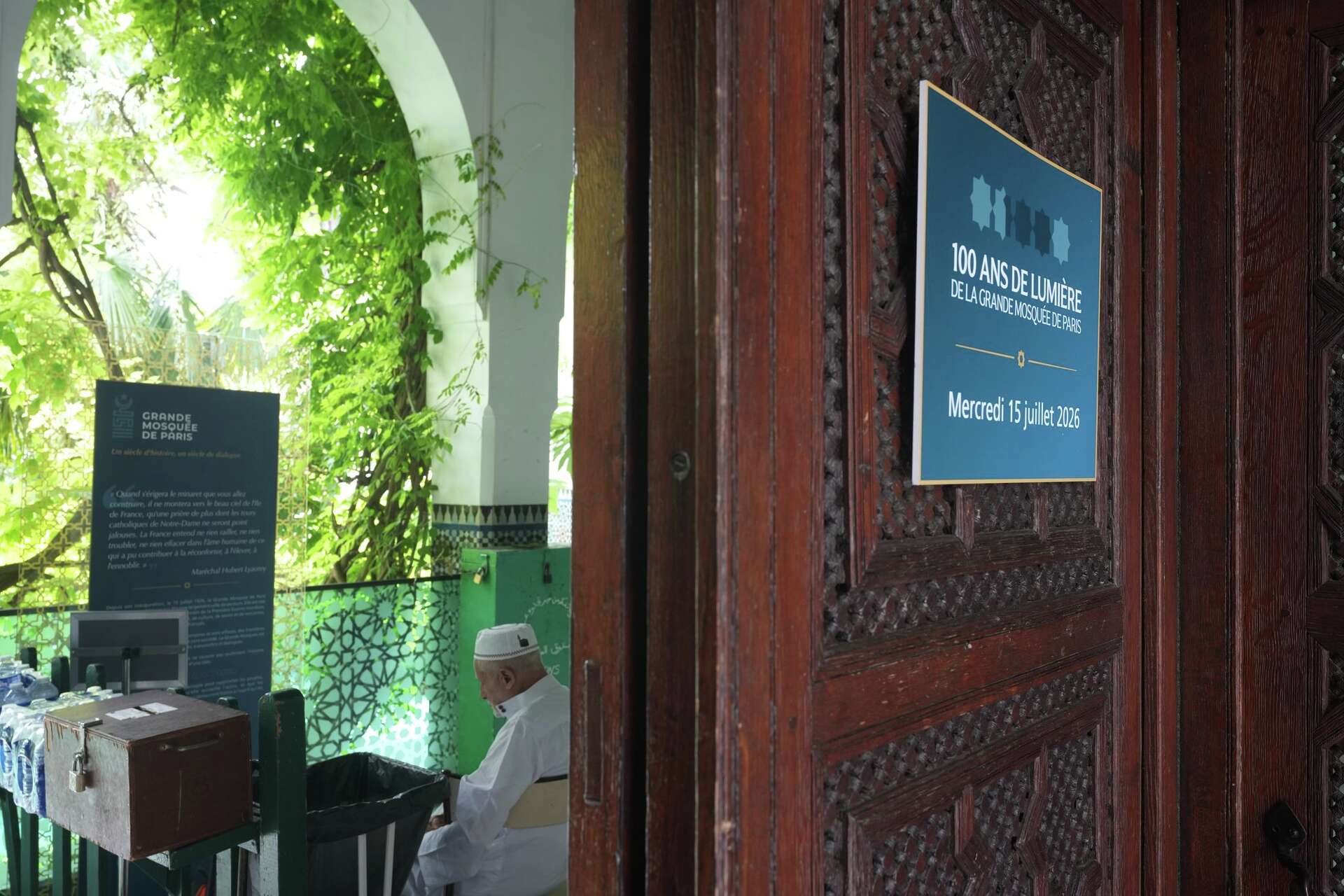
One hundred years ago, France built a grand mosque in Paris to honor the tens of thousands of Muslim soldiers from its colonies who died fighting in World War I. Today, the Grande Mosquée de Paris stands as one of the city's most iconic landmarks — and a living symbol of the complex relationship between France and its Muslim communities, according to AP.
The mosque held a series of events this week to mark its centennial. Leaders from different faiths gathered to celebrate its history and push for deeper dialogue between religions, The Hour reported.
A Monument Built From Sacrifice and Gratitude
France began building the mosque in 1922 and inaugurated it in 1926. The project was a direct response to World War I, in which roughly 600,000 Muslim soldiers from French colonies fought for France. Around 100,000 of them died. The French government saw the mosque as a debt of honor — a way to thank the fallen and their families, according to Lancaster Online.
The building itself is stunning. It was designed in the Moorish style, inspired by the Bou Inania Madrasa in Fez, Morocco. Its minaret rises 33 meters above the 5th arrondissement of Paris. The complex includes a prayer hall, a hammam, a tea room, and a garden. It remains one of the largest mosques in France today.
Interfaith Voices Gather for the Centennial Celebration
The 100th anniversary brought together Muslim imams, Catholic priests, Jewish rabbis, and other religious leaders. Organizers said the goal was not just to look back, but to build bridges going forward. The event sent a clear message: the mosque sees itself as a place for dialogue, not division, Beaumont Enterprise reported.
The mosque's rector called the centennial a chance to reaffirm the institution's role in French society. Leaders stressed that peaceful coexistence is possible — and that it requires active effort from all sides. The gathering drew attention at a time when tensions over Islam and immigration remain a hot topic in France.
Islam in France: A Long and Complicated History
France is home to the largest Muslim population in Western Europe. Estimates put the number between 5 and 6 million people — roughly 8% of the country's population. Many are descendants of immigrants from North and West Africa, the same regions that sent soldiers to fight for France more than a century ago, according to Seattle PI.
That history is not simple. France's colonial past, combined with ongoing debates about secularism and identity, has made the question of Islam's place in French society deeply contested. The Grande Mosquée was born from that tension — and 100 years later, it still lives inside it.
What the Mosque Means to Paris Today
Beyond its political and religious role, the mosque is a major cultural destination. Its tea room draws thousands of visitors each year — Muslim and non-Muslim alike. People come for mint tea, North African pastries, and a rare moment of calm in the middle of a busy city. It is one of the few places in Paris where different worlds quietly meet.
As France looks ahead, the mosque's centennial is a reminder of how much has changed — and how much hasn't. The soldiers who inspired its creation are long gone. But the questions they raised about belonging, sacrifice, and recognition are still very much alive, AP reported.
Sentiment
NeutralNEGATIVENEUTRALPOSITIVE
Publishers
4
Articles
0
Reach
4
A
AnonymousAuthor