Haitian TPS Deadline Looms
Over 350,000 Haitians Set to Lose U.S. Work Protections on July 24
Anonymous
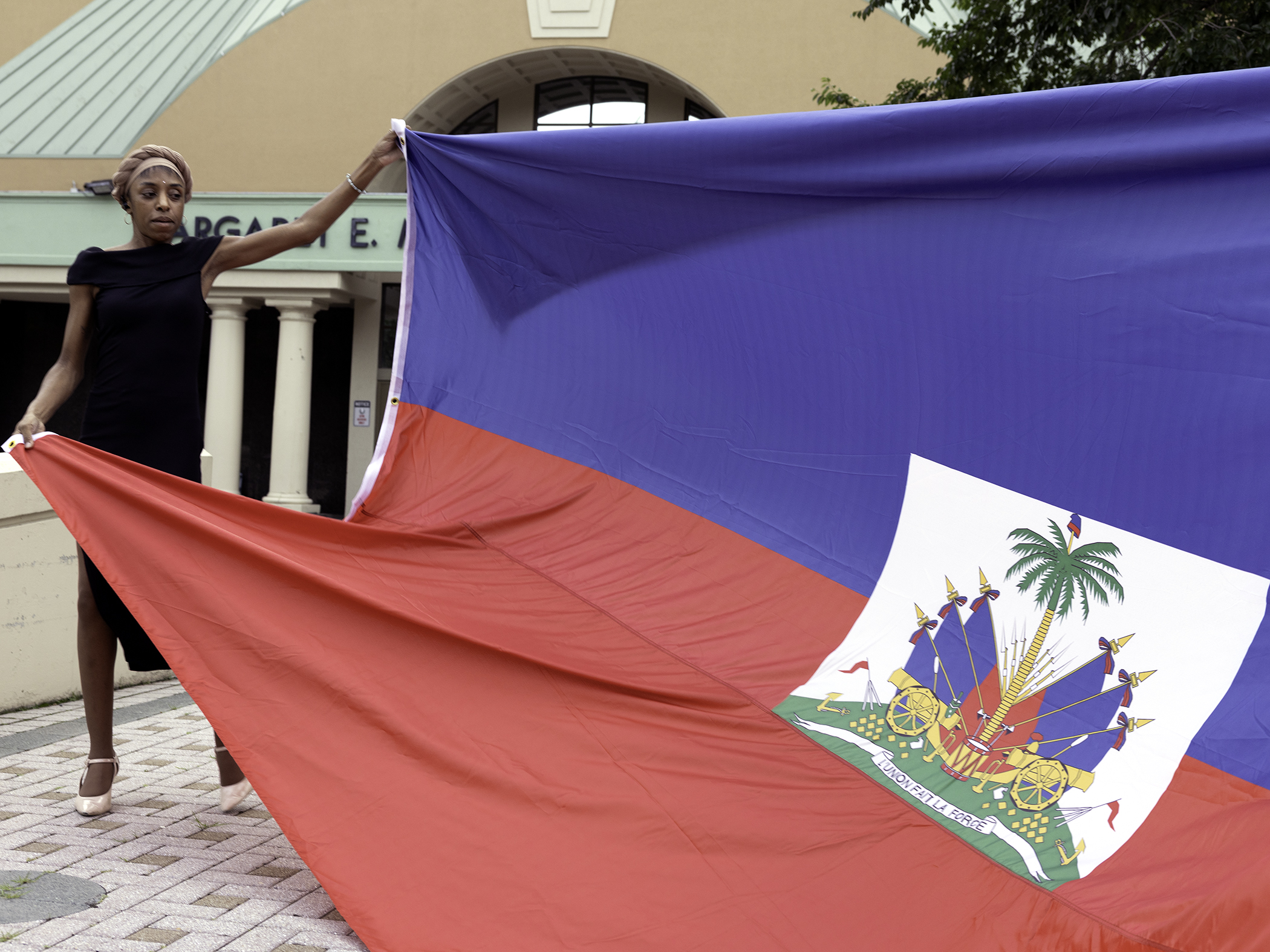
More than 350,000 Haitians living in the United States are set to lose their legal right to live and work here on July 24, according to Fremont Tribune. The protections come from a program called Temporary Protected Status, or TPS — a federal shield given to people from countries hit by disasters or violence. When TPS ends, those covered lose their work permits and protection from deportation.
Immigration advocates say Haitians with TPS must act now. The deadline is weeks away, and the options are few. For many families, the clock is running out fast, Pantagraph reported.
What TPS Is and Why It Is Ending
TPS is a temporary legal status the U.S. government gives to people from certain countries. It is not a green card or citizenship. It simply lets people stay and work legally while their home country is unsafe. Haiti has had TPS designation for years due to earthquakes, political chaos, and gang violence.
The Trump administration chose not to renew Haiti's TPS designation. That decision triggers the July 24 end date. Once that date passes, those who held TPS lose their work authorization and become subject to deportation, according to Rapid City Journal.
350,000 People Face Sudden Loss of Legal Status
The number of people affected is massive. More than 350,000 Haitians currently hold TPS protection in the U.S. That includes workers, parents, and long-term residents who have built lives here over many years. Many have U.S.-born children who are American citizens.
Losing TPS does not automatically mean someone is deported the next day. But it does mean they are no longer protected. Immigration agents can arrest and remove them. Without a work permit, they also cannot legally hold a job, according to Pantagraph.
What Advocates Say Haitians Should Do Right Now
Immigration lawyers and advocates say people should not wait. Anyone with TPS should talk to an immigration attorney before July 24. Some people may have other options — like a green card through a U.S. citizen spouse or child. Those paths take time, so starting early matters, Fremont Tribune reported.
Advocates also warn against scams. Some people posing as lawyers charge money for fake help. Only licensed immigration attorneys or accredited representatives should be trusted. Free legal help may be available through nonprofit groups in many cities.
Haiti Remains Too Dangerous for Safe Return
Haiti is currently gripped by severe gang violence. Armed gangs control large parts of the country, including areas of the capital Port-au-Prince. The United Nations and human rights groups have documented widespread killings, kidnappings, and displacement of civilians.
Critics of the TPS rollback say sending people back to Haiti right now puts lives at risk. The original purpose of TPS was to protect people from exactly these conditions. Advocates argue the situation in Haiti has only gotten worse, not better, since the program was first granted, according to Dothan Eagle.
Sentiment
NeutralNEGATIVENEUTRALPOSITIVE
Publishers
6
Articles
5
Reach
6
A
AnonymousAuthor


