Mediterranean Marine Heatwave
Western Mediterranean Now Three Degrees Warmer, Experiencing Major Marine Heatwave
Anonymous
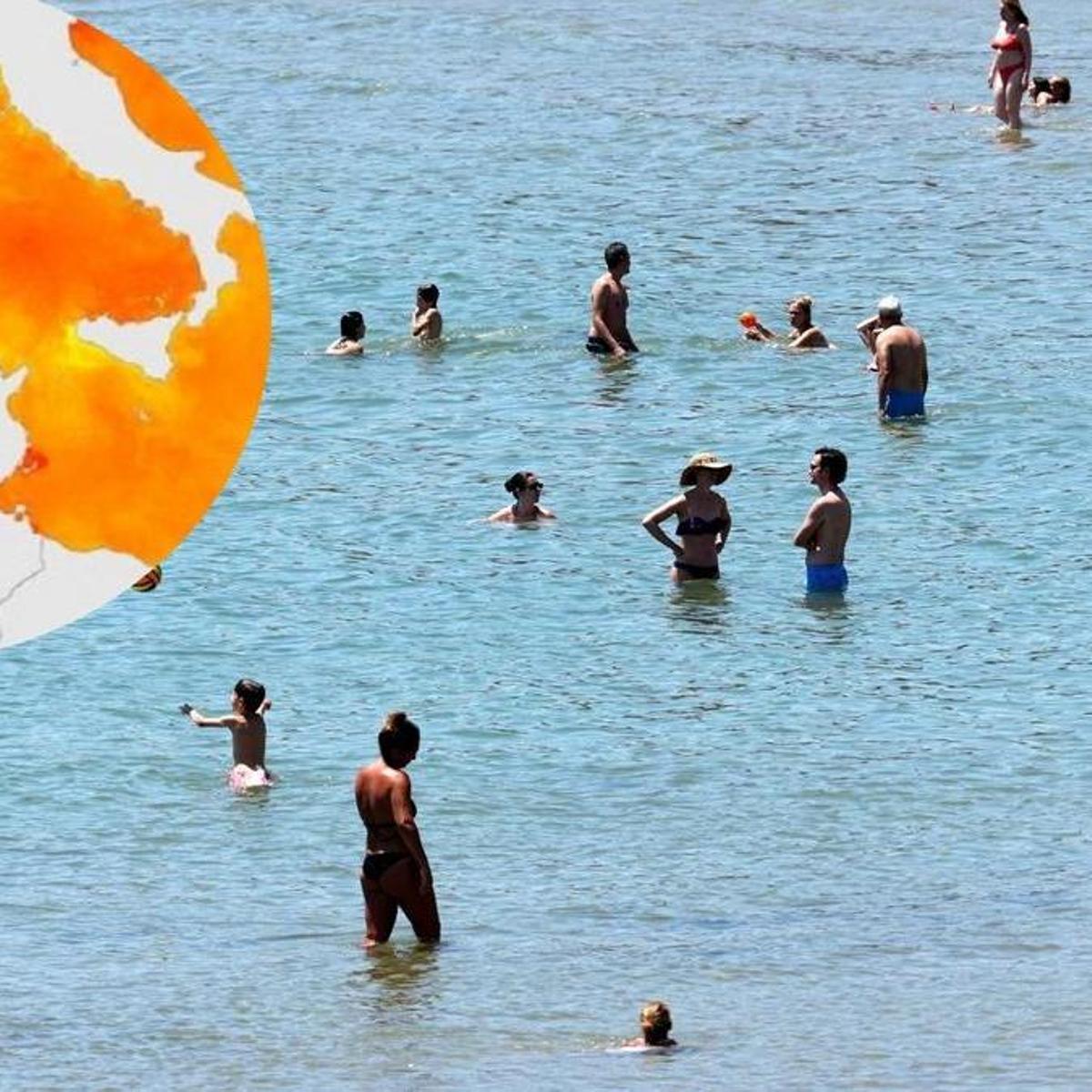
The western Mediterranean Sea is running three degrees Celsius warmer than it was in the summer before Spain's deadly DANA storm hit last year, according to Diario de Ibiza. Scientists are calling it a marine heat wave, with water temperature anomalies reaching as high as eight degrees above normal in some spots along the French coast.
The Mare Nostrum — the ancient name for the Mediterranean — is in the grip of one of its most intense recorded heat episodes. Experts warn that unusually warm sea surface temperatures act as fuel for extreme weather events, including the type of DANA storms that caused devastating floods across eastern Spain in late 2024.
Sea Temperatures Hit Alarming Highs Along French Coast
The most extreme anomalies are concentrated near the French Mediterranean coastline, where water is up to eight degrees warmer than the seasonal average, according to La Provincia. Across the broader western basin, the average excess heat sits at around three degrees. That may sound small, but in ocean terms it is an extraordinary deviation from the norm.
Marine heat waves are defined as periods when sea surface temperatures exceed the 90th percentile for at least five consecutive days. This current event appears to meet that threshold across a wide area. Scientists track these events closely because warm water speeds up evaporation, pumping more moisture into the atmosphere above.
Why This Matters: Warm Seas Feed Dangerous Storms
The link between warm Mediterranean waters and violent storms is well established. In October 2024, a DANA — a cold air mass that drops into warm, moist air — triggered catastrophic flash floods in Valencia. Over 220 people died. Meteorologists pointed to abnormally warm sea surface temperatures as a key factor that supercharged the storm's rainfall.
Now, with the sea running even hotter than it was before that disaster, concern is growing ahead of the autumn storm season. Warmer water means more evaporation. More evaporation means more water vapor in the air. More vapor means heavier rain when storms do form. The cycle is direct and well understood by climate scientists.
Three Degrees Warmer Than the Already-Hot 2024 Baseline
What makes this figure striking is the baseline being used for comparison. The summer of 2024 — right before the DANA struck — was itself unusually warm in the Mediterranean. Yet current temperatures are still three degrees above even that elevated starting point, according to Diario Córdoba. It is a warming on top of warming.
The Mediterranean warms faster than the global ocean average. It is a semi-enclosed sea with limited water exchange with the Atlantic. Heat builds up more easily here. Climate models have long flagged the western Mediterranean as one of the regions most exposed to marine heat waves as global temperatures rise.
Authorities and Scientists on Alert Ahead of Autumn
Meteorological agencies across Spain and France are monitoring the situation closely. No formal public alert has been issued yet, but the data is being watched in real time. Last year's DANA caught many communities off guard. Officials are under pressure not to repeat that failure.
Researchers stress that a warm sea does not guarantee a catastrophic storm. But it raises the odds significantly. With the western Mediterranean now sitting at record or near-record temperatures for this time of year, the conditions for an intense autumn weather event are clearly in place, according to Diario de Ibiza.
Sentiment
NeutralNEGATIVENEUTRALPOSITIVE
Publishers
8
Articles
0
Reach
8
A
AnonymousAuthor


