Midnight Lunar Eclipse
A near-total partial lunar eclipse will peak at midnight and remain visible across the US.
Anonymous
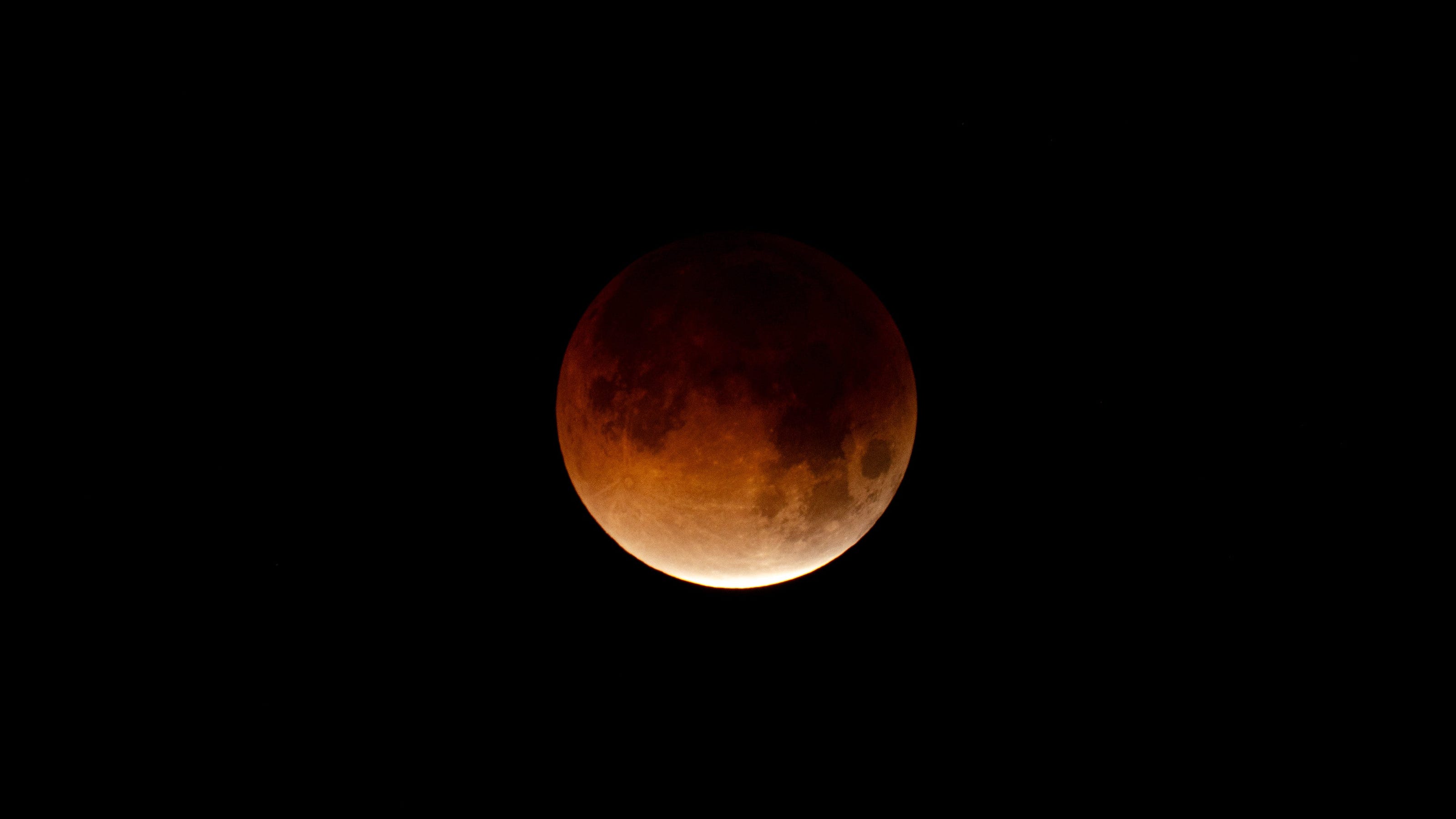
A partial lunar eclipse will light up the night sky on Thursday, August 27, starting at 9:23 p.m. ET and ending around 3 a.m. USA Today. The eclipse peaks at midnight, when Earth's shadow will cover much of the moon—though not all of it. You can watch it with your naked eye. No telescope or binoculars needed.
The question: Is it worth staying up late? Herald Tribune reports the peak happens after midnight on the East Coast, so night owls and early risers both have a shot. The next similar eclipse visible from the US won't arrive until January 11, 2028—and it will be much smaller, covering only 2.4% of the moon USA Today.
A Partial Eclipse, Not a Total One
This eclipse is partial, which means Earth's shadow won't completely swallow the moon. USA Today explains that most of the moon will be covered, but not the whole thing. The dark shadow will creep across the lunar surface starting at 9:23 p.m. ET and keep moving until around 3 a.m. The darkest moment arrives right at midnight.
Partial eclipses are rarer to see than you might think. If you miss this one, you'll have to wait six years for the next chance. AZ Central notes that the 2028 eclipse will be far less impressive—only a tiny sliver of the moon's edge will darken. So if you're an eclipse watcher, Thursday night is your moment.
What You'll Actually See and How to Watch
You won't need special glasses or equipment to see this eclipse. Palm Beach Post confirms you can watch it with your bare eyes, the same way you look at the regular moon. Find a spot with a clear view of the sky—away from bright streetlights if possible. A pair of binoculars or a telescope can show you extra detail, but they're optional.
The eclipse unfolds slowly. Cincinnati.com notes the whole event lasts nearly six hours, so you don't have to catch it all at once. If you stay up until midnight, you'll see the peak. If you go to bed at 11 p.m. and wake at 1 a.m., you'll still catch the best part. There's flexibility built into this eclipse.
Should You Trade Sleep for the Show?
TCPalm asks the real question: Is losing sleep worth it? That depends on you. If you love astronomy or rarely get to see lunar events, staying up until midnight makes sense. You'll witness something that won't happen again for years. If you're tired and the eclipse is just a nice-to-have, sleep might be the smarter choice.
Here's the math: The eclipse begins in evening hours when many people are already awake. The Dispatch reports it starts at 9:23 p.m. ET. If you're naturally a night person or have flexible work plans Friday, you can watch comfortably. If you need to be sharp Friday morning, catching the midnight peak might cost you too much rest.
Sentiment
NeutralNEGATIVENEUTRALPOSITIVE
Publishers
8
Articles
7
Reach
8
Topics
A
AnonymousAuthor


