Antarctic Nanoplastics Detected
New Study Detects First Evidence of Nanoplastics in Antarctic Soils
Anonymous
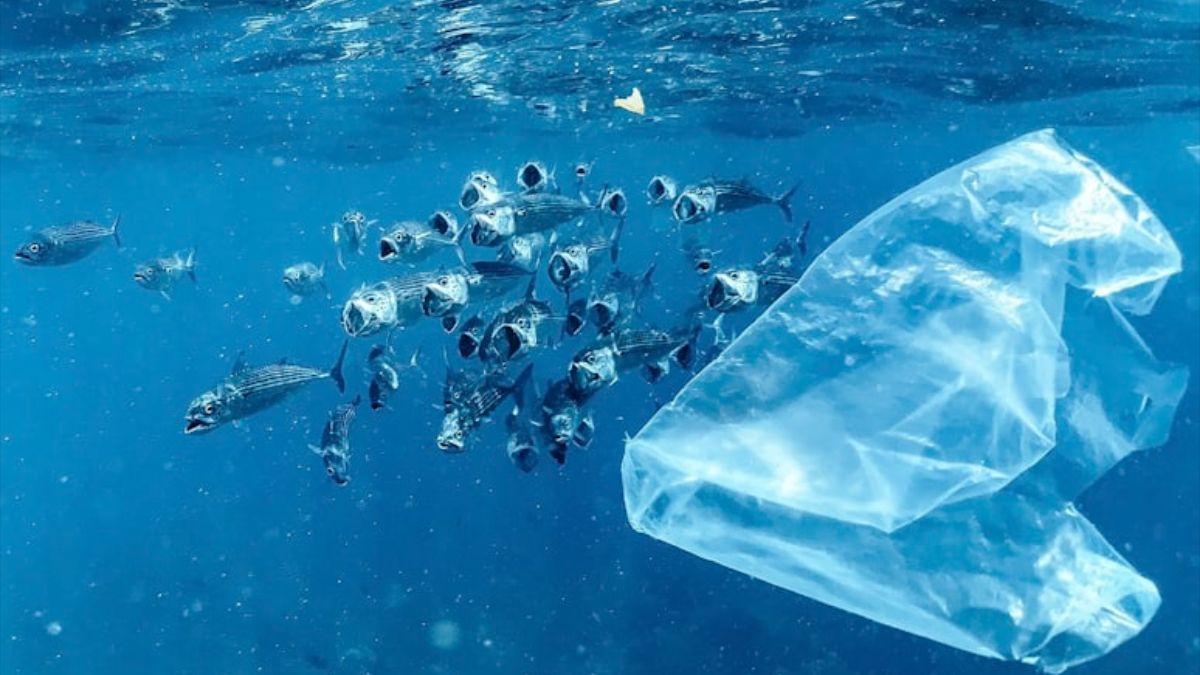
Scientists have found nanoplastics in Antarctic soil for the first time, according to El Periódico. These are plastic particles smaller than one micrometer — about 70 times thinner than a human hair. The discovery marks a major milestone: no corner of Earth, not even the most remote, is free from plastic pollution.
The study points to two main sources: long-range atmospheric transport from distant industrialized regions and local human activity, such as scientific research stations on the continent, according to Levante-EMV.
What Scientists Found in Antarctic Soil
Researchers collected soil samples from different sites across Antarctica. Using advanced detection techniques, they identified nanoplastic particles — pieces of plastic so small they cannot be seen with the naked eye. This is the first time such tiny particles have been confirmed in Antarctic soils, according to Diario de Mallorca.
Nanoplastics differ from microplastics. Microplastics are smaller than 5 millimeters. Nanoplastics are far tinier — under one micrometer. Their small size lets them travel farther through the air and penetrate living organisms more easily, according to La Opinión de Murcia.
Wind Carries Plastic Thousands of Kilometers South
One key finding is that nanoplastics likely travel to Antarctica through the atmosphere. Wind currents can carry tiny plastic particles from cities and industrial zones thousands of kilometers away. The Southern Ocean winds are among the strongest on Earth, making them an effective long-distance conveyor, according to El Correo Gallego.
This atmospheric route has already been documented for microplastics in other remote areas, including the Arctic and high mountain peaks like the Pyrenees. The new study suggests nanoplastics follow the same path — but travel even farther due to their lighter weight, according to La Nueva España.
Local Research Stations Also Blamed as a Source
Not all the nanoplastics came from afar. The study also found evidence of local contamination. Human presence in Antarctica — through scientific bases, supply ships, and equipment — releases plastic particles directly into the environment, according to Diario de Ibiza.
Several countries operate permanent research stations in Antarctica. These facilities use plastic materials in buildings, vehicles, packaging, and clothing. Even small amounts of wear and tear can release nanoplastic particles into nearby soil, according to La Opinión de Málaga.
Why Nanoplastics in Antarctica Are a Global Warning
Antarctica is one of the least disturbed ecosystems on Earth. Finding nanoplastics there sends a clear message: plastic pollution has reached every environment on the planet. Scientists worry about the effects on Antarctic wildlife, including penguins, seals, and microscopic soil organisms, according to El Día.
Nanoplastics are especially concerning because living cells can absorb them. Once inside an organism, they can cause inflammation, disrupt hormones, and carry toxic chemicals. Researchers say this discovery should push governments to act faster on reducing plastic production and waste, according to Diario Córdoba.
Sentiment
NeutralNEGATIVENEUTRALPOSITIVE
Publishers
16
Articles
0
Reach
16
A
AnonymousAuthor