Haag Pass Bike Climb
Tour de France tackles Haag pass's unique 5.6 km bike-only climb, paved in 2023.
Anonymous
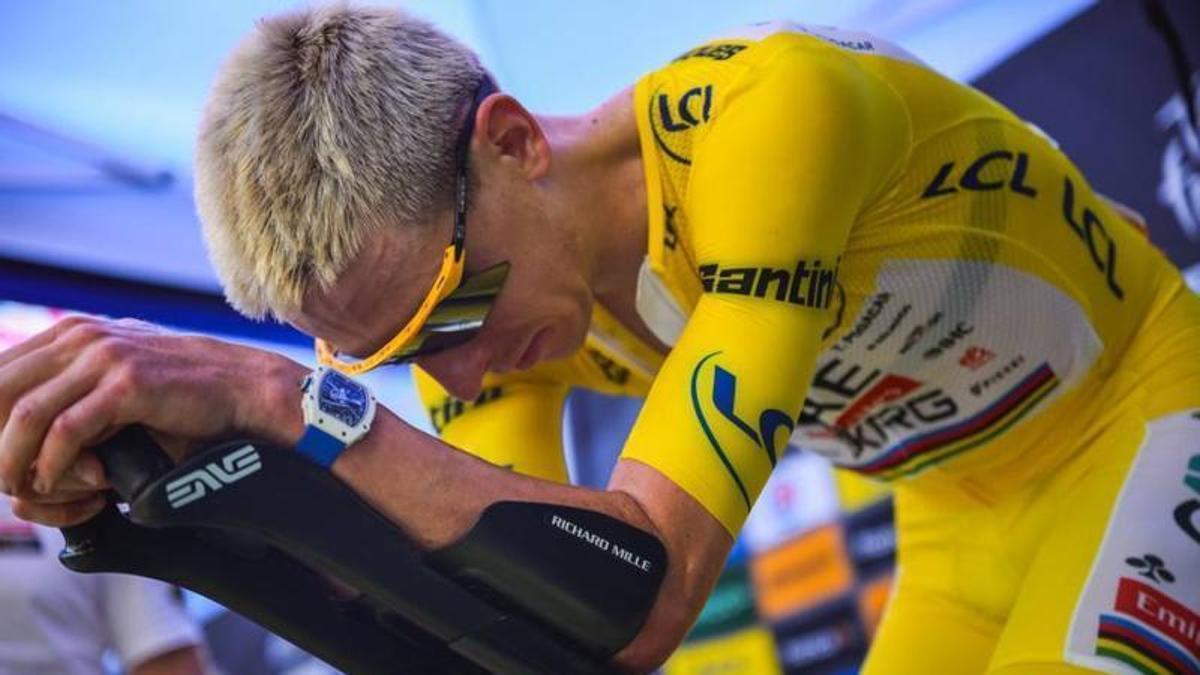
The Tour de France tackles one of its trickiest climbs today: the Col de Haag. The final 5.6 kilometers of the ascent run along a former forest track that was paved in 2023 — not for racing, but to become a greenway and bike path where cars and motorcycles are banned, according to Diario de Mallorca.
That legal restriction creates a unique logistical puzzle for race organizers. Support vehicles, team cars, and race motos normally shadow riders up every climb. On Haag's upper slopes, that will not be possible in the usual way, making it one of the most unusual finishes of this Tour edition.
A Forest Path Turned Into a Race Trap
The Col de Haag was not always a paved road. Until 2023, its upper section was a dirt forest track used by hikers and forestry workers. Regional authorities then spent money to pave it and convert it into a protected greenway. Private motor vehicles are forbidden by law, according to El Periódico de Aragón.
Tour organizers included it anyway. That 5.6-kilometer stretch features gradients that can test any rider. But the legal vehicle ban means team cars cannot follow their leaders up the final kilometers in the normal fashion. That strips teams of a critical tool: the ability to hand up food, water, or spare equipment right when the race gets hardest.
Why Vehicle Support Matters So Much on a Climb
In professional cycling, team cars drive just behind the peloton and the breakaway group throughout each stage. Riders drop back to grab water bottles, get a mechanical fix, or receive tactical instructions from their sports director. On a mountain finish, that contact can decide a race, according to La Opinión de Murcia.
Without vehicles on Haag's upper slopes, a rider who punctures or breaks a chain is essentially alone. Teammates would have to wait and help, burning their own energy. A contender for the general classification could lose minutes on a single mechanical problem with no easy fix available nearby.
How Organizers Plan to Handle the Motor Ban
Race officials have worked with local authorities to find a solution. Motos carrying cameras and race referees will likely get a special exemption or use a different access route. However, team vehicles face strict limits, according to La Opinión de Málaga. The greenway rules do not bend easily for a sporting event, no matter how prestigious.
Riders and team managers were briefed on the situation before the stage. Teams will position extra staff and supplies at the base of the restricted zone. That means riders must carry more than usual going into the climb — extra weight at exactly the wrong moment.
The Haag Could Shake Up the General Classification
Stage finishes on unusual terrain often produce unexpected results. The combination of a tough gradient, a narrow road, and no team car support creates chaos. A strong rider who prepared well and carries enough supplies could attack early and gain time. A favorite caught with a mechanical problem could lose the Tour, according to Diario de Ibiza.
Cycling fans and analysts are watching this finish closely. It is rare for a major race to use a road where motor support is legally prohibited. The Col de Haag could end up being the defining moment of this year's Tour — not because of its length or gradient alone, but because of what riders will have to face without their usual backup.
Sentiment
NeutralNEGATIVENEUTRALPOSITIVE
Publishers
9
Articles
0
Reach
9
A
AnonymousAuthor