Eclipse lunar parcial
Un eclipse lunar parcial cubre la superficie de la luna con un tono ocre
Anonymous
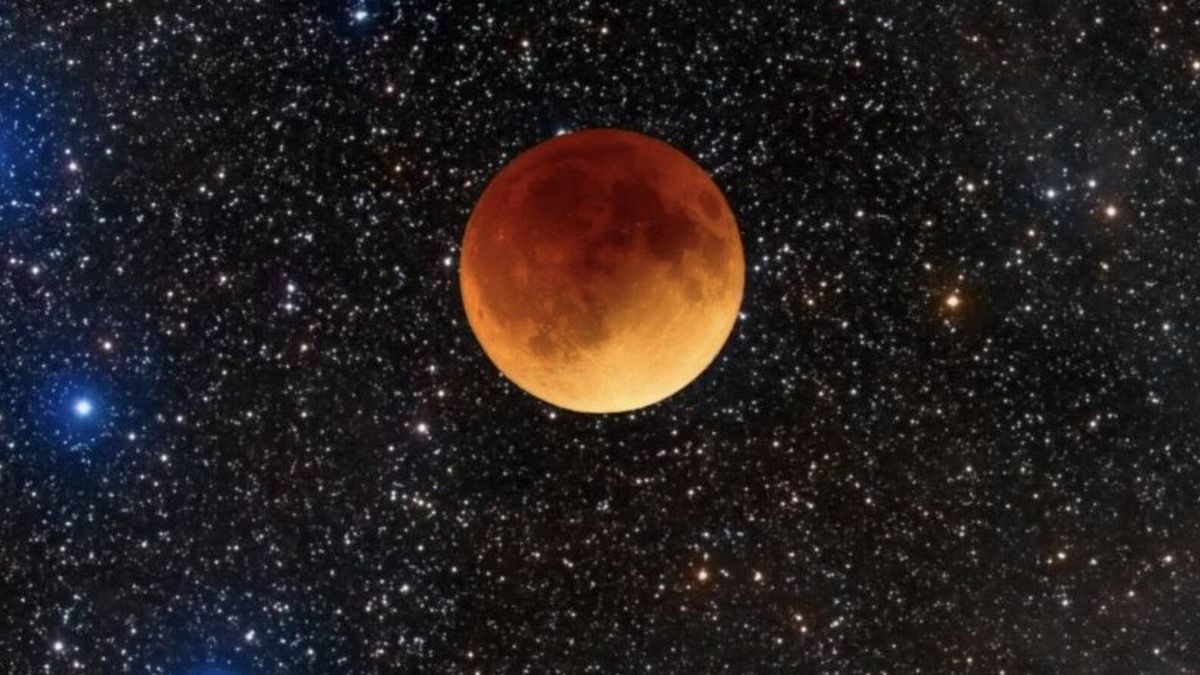
A near-total lunar eclipse darkened 93% of the moon at 6:12 a.m., turning its surface a deep rust-red color. Sport.es reported on this rare celestial event that capped off an extraordinary night sky. However, thick clouds blanketed Spain's peninsula, blocking the view for most observers hoping to witness the phenomenon.
The Moon Turned Rust-Red During Peak Darkness
At the moment of maximum eclipse, La Opinión de Córdoba noted that 93% of the lunar disk disappeared into Earth's shadow. The exposed part glowed an ocre—a reddish-brown color caused by sunlight bending through Earth's atmosphere. This stunning transformation happened just after 6 a.m. local time.
Cloud Cover Blocked Views Across the Iberian Peninsula
Despite the eclipse's intensity, Información reported that dense clouds prevented most Spaniards from seeing this rare sight. The blanket of overcast conditions swept across the peninsula, frustrating sky watchers who had prepared to observe the event. Clear skies would have revealed the moon's dramatic color shift in full detail.
A Rare Astronomical Event Ending an Unforgettable Night
Diario de Ibiza described this eclipse as the crowning moment of a unique night in the sky. The near-total lunar eclipse—where the moon passes almost completely through Earth's shadow—ranks among the most dramatic celestial events visible from Earth. Such eclipses occur only a few times per decade, making this an opportunity many astronomers mark on their calendars.
Sentiment
NeutralNEGATIVENEUTRALPOSITIVE
Publishers
15
Articles
0
Reach
15
A
AnonymousAuthor


