Mary Beard on Classics
Mary Beard encourages critical reading of ancient classics, urging engagement with their complex questions.
Anonymous
Cambridge classics professor Mary Beard is urging readers to engage with Homer's "The Odyssey" on their own terms — not through the lens of tech billionaires like Elon Musk. Daily Press reports that Beard, professor emerita of classics at the University of Cambridge, argues that ancient texts must be read critically, not as tools to reinforce modern power or ideology.
Her argument comes as "The Odyssey" returns to cultural prominence, partly through a planned film adaptation by director Christopher Nolan. Beard warns that figures on the right have increasingly co-opted Greek and Roman classics to push nationalist and exclusionary ideas. She says that is a dangerous misreading of what these texts actually do.
Beard's Case for Reading Classics Critically
Beard argues that ancient classics are not instruction manuals for greatness. They are messy, contradictory, and full of moral questions. Press Democrat reports she believes texts like "The Odyssey" should be read for how they challenge us — not for how they confirm what we already believe.
She points out that Homer's epic is full of violence, betrayal, and moral ambiguity. Odysseus is a liar and a killer. Reading him as a simple hero, Beard says, misses the entire point. The classics ask hard questions. They do not hand out easy answers.
Why Beard Fears the Far-Right's Grip on Ancient Greece
Beard has long warned about the misuse of classical culture by fascist and racist movements. Twin Cities reports she believes Greek and Roman aesthetics have been weaponized — used to make exclusionary politics look noble and timeless. That, she says, is a corruption of what the ancient world actually was.
She notes that ancient Greece and Rome were far more diverse and contested than the far-right portrays them. Using marble statues and epic heroes to promote white nationalism, Beard argues, is both historically wrong and politically dangerous. The classics belong to everyone, not to any one group.
A New Book Rooted in Challenging the Old Stories
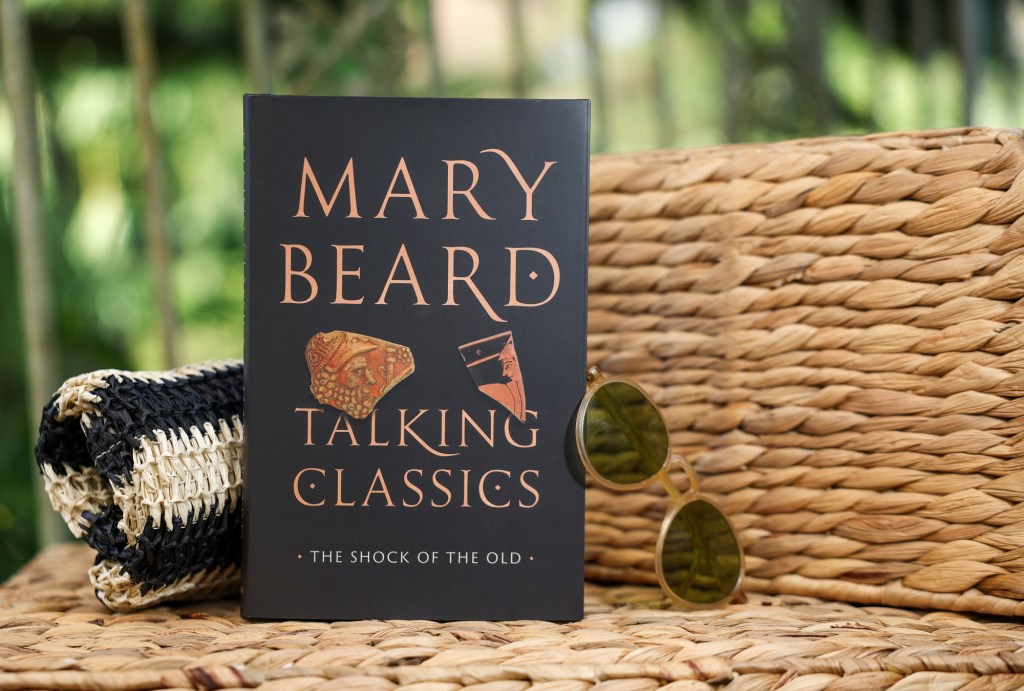
Beard's latest book, "Talking Classics: The Shock of the Old," grows out of a lecture series she gave at the University of Chicago in 2023. Capital Gazette reports the book pushes back against comfortable or romanticized readings of the ancient world. She wants readers to feel unsettled — in a good way.
The title signals her intent. The "shock" is not nostalgia. It is the jolt you feel when a 3,000-year-old text suddenly speaks to something true and uncomfortable about the world today. Beard says that shock is exactly what we need more of right now.
Nolan's Film Adds Fresh Urgency to Homer's Epic
Christopher Nolan's planned film adaptation of "The Odyssey" has brought new attention to Homer's poem. The Times-Tribune reports that Beard sees the film as an opportunity — a chance to bring millions of new readers to the original text with fresh and questioning eyes.
But she is cautious. A Hollywood blockbuster can flatten a complex story into a simple hero's journey. Beard's message is clear: go read Homer yourself. Ask who has the power in the story. Ask who is silenced. That, she says, is how you truly read the classics.
Sentiment
NeutralNEGATIVENEUTRALPOSITIVE
Publishers
10
Articles
9
Reach
10
Topics
A
AnonymousAuthor